
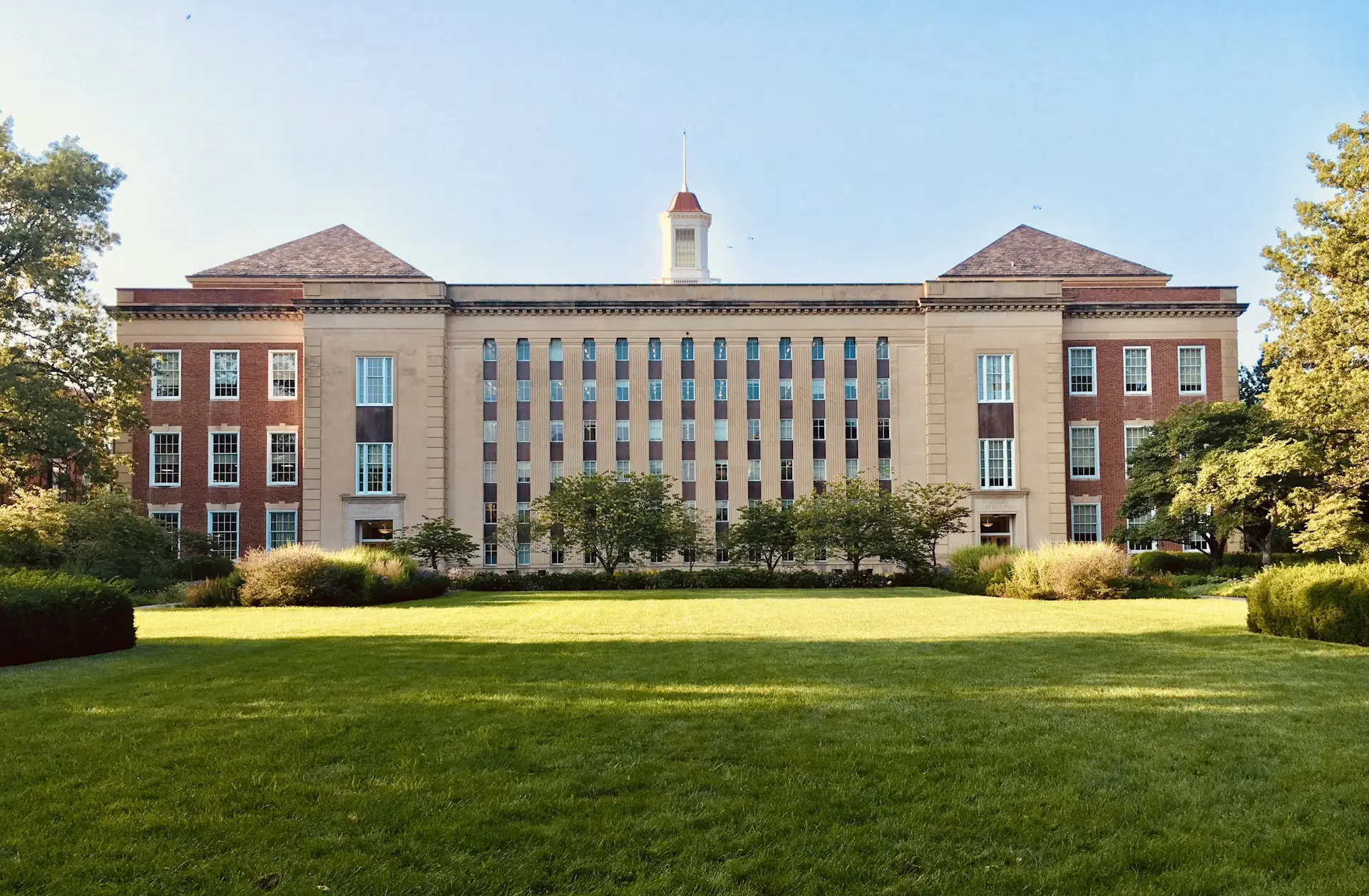

About College of Veterinary and Animal Sciences Pookode
For students deeply committed to the health and welfare of animals, especially those with an interest in Kerala's rich biodiversity and agrarian communities, the College of Veterinary and Animal Sciences Pookode offers a focused path. This institution, situated amidst the verdant high ranges of Wayanad, is a key academic arm of the Kerala Veterinary and Animal Sciences University, providing specialized education in veterinary science and animal husbandry.
Quick Reference
| Feature | Details |
|---|---|
| Type | Government |
| Affiliation | Kerala Veterinary and Animal Sciences University (KVASU) |
| Approvals | Constituent College of KVASU |
| Campus | Pookode, Wayanad, Kerala |
| Established | 2010 |
Popular Programs
| Degree | Specializations | Eligibility |
|---|---|---|
| Bachelor of Veterinary Science & Animal Husbandry (BVSc & AH) | Core Veterinary Science, Animal Husbandry Practices | 10+2 with Physics, Chemistry, Biology, English; minimum aggregate as per KVASU norms. |
| Master of Veterinary Science (MVSc) | Veterinary Surgery & Radiology, Animal Nutrition, Veterinary Microbiology, Livestock Production & Management | BVSc & AH degree from a recognized university. |
| Ph.D. in Veterinary Science | Advanced Research in Veterinary Pathology, Public Health, Animal Genetics | MVSc degree in a relevant specialization. |
Admission Process
Admission to professional courses at the College of Veterinary and Animal Sciences Pookode generally follows a structured, merit-based approach, often integrating national or university-level entrance examinations.
- Step 1: Aspiring candidates must register and apply online via the KVASU admission portal or the common state/national entrance examination platform for undergraduate programs.
- Step 2: Admission to the BVSc & AH course is typically based on scores obtained in the National Eligibility cum Entrance Test (NEET-UG). For postgraduate courses like MVSc and Ph.D., a university-conducted entrance examination followed by an interview is standard.
- Step 3: Shortlisted candidates are called for counseling sessions, which involve choice filling and seat allocation based on merit, category, and reservation policies.
- Step 4: Final admission is confirmed upon successful document verification and payment of the prescribed fees within the stipulated timeframe.
Life on Campus
| Facility | Description |
|---|---|
| Labs | Modern instructional laboratories for anatomy, physiology, pathology, and microbiology. The campus also features a teaching veterinary clinical complex, allowing hands-on experience with diverse animal cases. |
| Library | A comprehensive collection of textbooks, research journals, and reference materials specific to veterinary and animal sciences. It also provides access to digital databases and e-resources to support advanced studies and research. |
| Hostels | Separate residential facilities for male and female students, providing a secure and conducive environment for learning. Each hostel includes mess services offering nutritious meals. |
| Sports | While the emphasis is academic, the college offers basic facilities for indoor games like badminton and table tennis. There are also grounds for outdoor activities, encouraging students to maintain physical well-being. |
| Placement | The institution maintains an active career guidance cell. This cell facilitates internships within government veterinary departments, dairy cooperatives, and private animal care facilities, preparing students for professional roles in various sectors. |
One thing to note: Prospective students should appreciate that Wayanad's unique geography, a blend of hills, forests, and agricultural lands, naturally integrates field-based learning and research opportunities, particularly relevant for studying regional livestock diseases and wildlife conservation efforts.