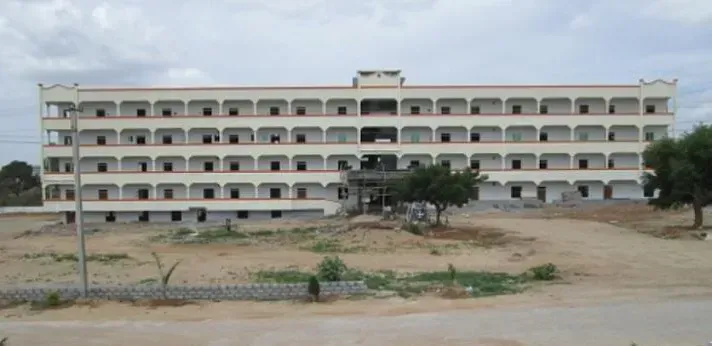

About Tapeshwar Dharmeshwar Prasad Vidhi Mahavidyalaya
If you are looking to build a grassroots legal career in eastern Uttar Pradesh without the high cost of a metropolitan law school, Tapeshwar Dharmeshwar Prasad Vidhi Mahavidyalaya is designed for you.
Based in Mau, this institution focuses solely on legal education, offering a structured path to earning your LL.B. degree. It serves local students who want to stay close to home while preparing for the bar or judicial services examinations. Rather than prioritizing corporate placements in major cities, the academic culture here aligns closely with the daily practices of regional courts and district litigation.
Institutional Overview
| Feature | Details |
|---|---|
| Type | Co-educational Law College |
| Campus | Semi-urban (Mau) |
| Total Intake / Seats | 120 (approximate) |
| Ownership | Private (Un-aided) |
Courses & Specializations
| Degree | Specializations | Eligibility |
|---|---|---|
| LL.B. (3 Years) | Core Law, Law of Torts, Jurisprudence | Bachelor's degree from a recognized university with at least 45% marks (40% for SC/ST candidates). |
Getting In
Admission depends entirely on your performance in your qualifying undergraduate degree, from which the college compiles its official merit list. Once the application window closes, the college releases category-wise cutoff percentages on its physical notice board and online portal. If your graduation marks meet or exceed these cutoffs, you become eligible for the next phase.
To secure your place, you must present your original academic mark sheets, caste certificates (if applicable), and identity proofs for physical verification at the Mau campus. This verification must be completed within the specific window announced with the cutoff list, accompanied by the payment of the annual tuition fee.
Facilities Overview
| Facility | Description |
|---|---|
| Library | Focuses heavily on legal texts, containing physical AIR (All India Reporter) archives and bound Supreme Court judgments crucial for local litigation practice. |
| Cafeteria / Canteen | A simple daily hangout offering North Indian snacks and tea, serving as an informal hub where students debate local case laws and moot strategies. |
| Student Clubs & Societies | The Moot Court Society runs internal mock trials, giving students early exposure to drafting plaints and presenting arguments before they head to the local courtrooms. |
| Auditorium / Seminar Hall | A functional assembly space used for legal literacy workshops, guest lectures by regional advocates, and university-mandated seminars. |