
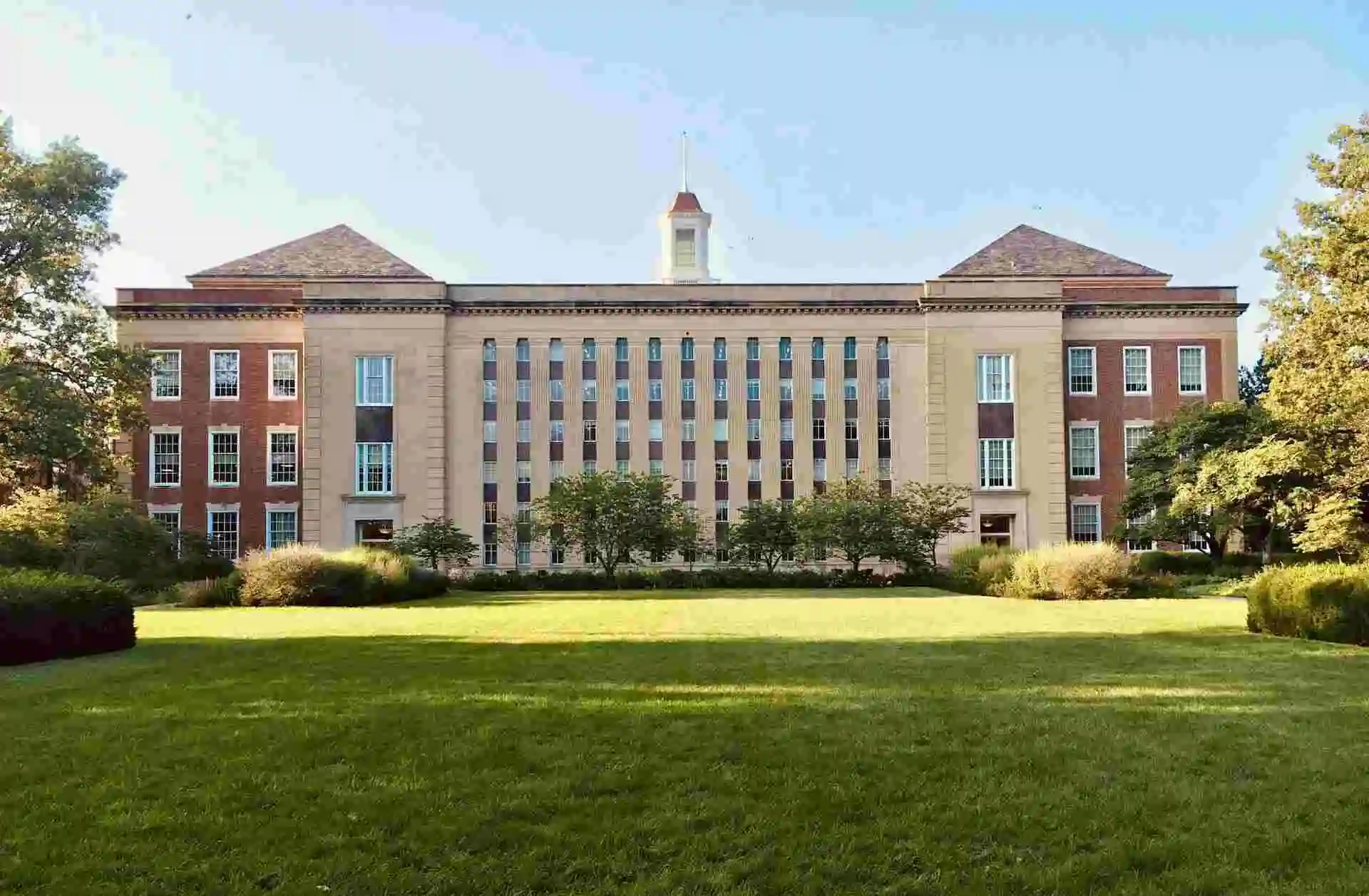

About Symbiosis School of Media and Communication
When I look at graduates from Symbiosis School of Media and Communication, particularly from their Bengaluru campus, what consistently impresses me is their immediate understanding of real-world industry demands. Operating from India's vibrant tech and innovation hub, SSMC Bengaluru, a constituent of Symbiosis International (Deemed University), has been instrumental in shaping professionals ready for the nuanced world of media and communication since its establishment. They produce individuals who grasp both strategic thinking and practical execution.
Institutional Overview
| Feature | Details |
|---|---|
| Type | Constituent College of a Deemed University |
| Affiliation | Symbiosis International (Deemed University) |
| Approvals | UGC |
| Campus | Bengaluru Urban, Karnataka |
| Established | 2009 |
Programs Offered
| Degree | Specializations | Eligibility |
|---|---|---|
| MBA | Media Management (Marketing & Advertising, Public Relations, Media Analytics, Digital Media) | Bachelor's degree with minimum 50% marks (45% for SC/ST), plus valid SNAP score. |
| MA | Mass Communication (Journalism, Audio Visual) | Bachelor's degree with minimum 50% marks (45% for SC/ST), followed by PI-WAT. |
| BA | Mass Communication | 10+2 or equivalent with minimum 45% marks (40% for SC/ST), plus valid SET score. |
Getting In
Entry into SSMC Bengaluru's programs is competitive, relying on a blend of national entrance test scores and institutional assessments. For postgraduate courses, candidates typically begin with a university-level aptitude test, while undergraduate admissions require a specific common entrance exam.
- Step 1: For MBA, register and appear for the Symbiosis National Aptitude Test (SNAP). For BA, appear for the Symbiosis Entrance Test (SET). MA applicants apply directly to SSMC.
- Step 2: Shortlisted candidates, based on their entrance test scores (for MBA/BA) or application review (for MA), are called for the next stage.
- Step 3: Participate in the Written Ability Test (WAT) and Personal Interview (PI) rounds conducted by the institution. These assess communication skills, aptitude for media, and general awareness.
- Step 4: Final selection is based on a composite score combining entrance test performance (where applicable), WAT, and PI scores, along with academic records.
On-Campus Amenities
| Facility | Description |
|---|---|
| Labs | Purpose-built media labs including editing suites, a Chroma key studio, and sound recording facilities. These provide hands-on experience with industry-standard software and equipment for film, television, and audio production. Computer labs are also available for digital media coursework. |
| Library | A well-stocked library houses an extensive collection of books, journals, periodicals, and digital resources specifically curated for media and communication studies. Students have access to research databases and online academic platforms. |
| Hostels | Residential facilities for both male and female students, offering comfortable living spaces with necessary amenities. These include shared accommodation, mess services, and common areas designed for student interaction and relaxation. |
| Sports | While not a dedicated sports university, the campus provides facilities for indoor games like table tennis and carrom, alongside outdoor spaces for recreational activities. It encourages students to engage in physical wellness alongside their academic pursuits. |
| Placement | The institution maintains a dedicated career services cell that actively connects students with internship opportunities and full-time roles across various media sectors. This cell facilitates industry interactions, workshops on professional development, and mock interviews to prepare graduates for the job market. |