
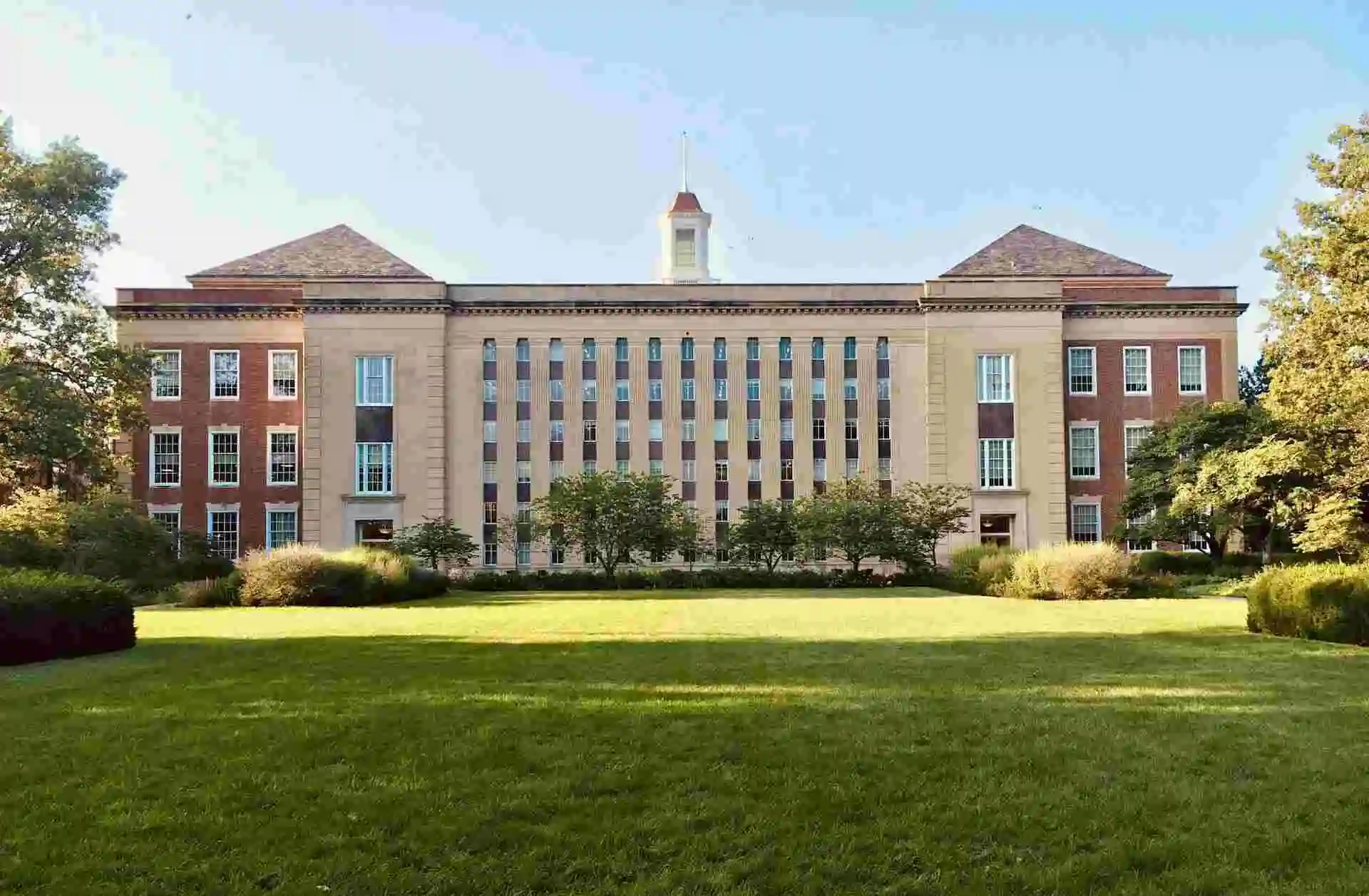

About Swami Viveka Nand Degree College
Operating under the framework of a state university affiliation, Swami Viveka Nand Degree College functions with curriculum oversight and academic standards aligned to a broader public educational body. This private, un-aided institution commenced its operations in 2007 in Deoria, Uttar Pradesh, with a primary objective to broaden access to higher education in the region.
At a Glance
| Feature | Details |
|---|---|
| Type | Private Un-Aided |
| Affiliation | Affiliated to a State University (Uttar Pradesh) |
| Approvals | University Grants Commission (UGC) recognition via affiliating university |
| Campus | Deoria, Uttar Pradesh |
| Established | 2007 |
Popular Programs
| Degree | Specializations | Eligibility |
|---|---|---|
| B.A. (Bachelor of Arts) | History, Political Science, Economics, Hindi Literature | 10+2 with minimum 45% aggregate from a recognized board. |
| B.Sc. (Bachelor of Science) | Physics, Chemistry, Mathematics, Botany, Zoology | 10+2 with Science stream and minimum 50% aggregate from a recognized board. |
| B.Com. (Bachelor of Commerce) | Accountancy, Business Studies, Economics | 10+2 with Commerce or Arts stream (with Mathematics/Economics) and minimum 45% aggregate. |
| B.Ed. (Bachelor of Education) | General Education | Graduation or Post-Graduation with minimum 50% aggregate (as per NCTE norms). |
Admission Process
Admission to Swami Viveka Nand Degree College programs generally follows merit-based selection influenced by qualifying examination scores, coupled with an application and verification process.
- Step 1: Obtain and complete the application form, available online through the college website or offline at the campus administration office.
- Step 2: Submit the filled application along with attested copies of required academic documents and identity proofs by the specified deadline.
- Step 3: A merit list is published based on eligibility criteria and qualifying examination performance.
- Step 4: Selected candidates proceed with document verification at the college campus, followed by the payment of admission fees to confirm their enrollment.
Campus & Infrastructure
| Facility | Description |
|---|---|
| Labs | Subject-specific laboratories support practical learning for science disciplines, including dedicated facilities for Physics, Chemistry, and Computer Science studies. These are equipped for syllabus-aligned experiments. |
| Library | The central library houses a collection exceeding 15,000 volumes, encompassing textbooks, reference materials, and academic journals across various disciplines. It offers quiet study zones for students and faculty. |
| Hostels | Separate residential facilities are provided for male and female students, accommodating approximately 150 residents in total. Each hostel block includes basic furnished rooms and common areas for recreation. |
| Sports | An outdoor multi-purpose ground accommodates various field sports, complemented by indoor facilities for table tennis and carrom. Annual sports meets are organized to foster participation. |
| Placement | A dedicated cell assists students with career counseling, skill development workshops, and organizes interactions with potential employers. The focus remains on preparing graduates for entry-level positions across regional industries and public services. |
Our take: Swami Viveka Nand Degree College provides a foundational academic environment for students prioritizing traditional degree pathways in Uttar Pradesh. Prospective applicants should evaluate the program offerings against their specific career aspirations and understand the regional employment landscape relevant to these degrees.