
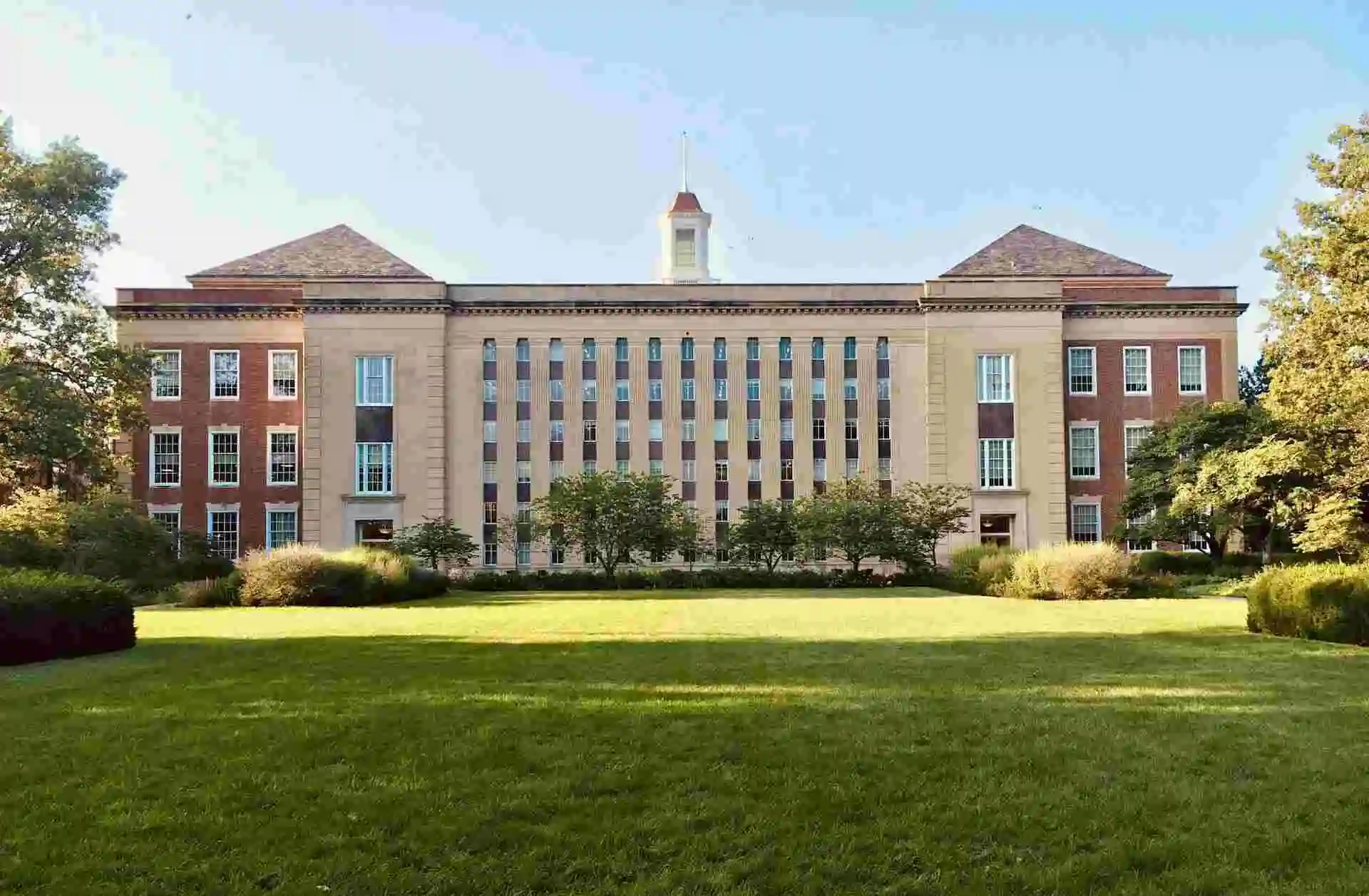

About Shekhawati Veterinary College
Rajasthan's Shekhawati region, renowned for its distinct art and havelis, also maintains a significant agricultural landscape where animal husbandry plays a crucial economic role. Shekhawati Veterinary College, located in Sikar, directly addresses the regional demand for qualified veterinary professionals. As a private un-aided institution, it operates with a specific focus on delivering practical, evidence-based training across various disciplines of veterinary sciences.
Institutional Overview
| Feature | Details |
|---|---|
| Type | Private Un-Aided College |
| Affiliation | State Veterinary University (e.g., Rajasthan University of Veterinary and Animal Sciences) |
| Approvals | Veterinary Council of India (VCI); State Government |
| Campus | Sikar, Rajasthan |
| Established | Not Available |
What You Can Study Here
| Degree | Specializations | Eligibility |
|---|---|---|
| Bachelor of Veterinary Science & Animal Husbandry (BVSc&AH) | Veterinary Anatomy, Animal Genetics & Breeding, Veterinary Pathology, Veterinary Surgery & Radiology, Livestock Product Technology, Veterinary Public Health | Passed 10+2 with Physics, Chemistry, Biology, and English; secured minimum 50% marks (40% for SC/ST/OBC); qualified a national/state-level veterinary entrance examination. |
| Diploma in Livestock Management | Dairy Farm Operations, Poultry Management, Small Ruminant Husbandry | Passed 10+2 in any stream; preference for candidates with an agricultural background. |
| Certificate Course in Veterinary Laboratory Techniques | Diagnostic Procedures, Sample Collection, Basic Parasitology | Passed 10+2 with Science stream; demonstrated interest in veterinary diagnostics. |
Getting In
Admission to the BVSc&AH program primarily relies on merit secured in a competitive national or state-level entrance examination, followed by a structured counseling process. Diploma and certificate programs may have direct application pathways.
- Step 1: Submit the online application form via the college website, providing all necessary academic details and personal information.
- Step 2: Qualify in the mandated national-level (e.g., NEET) or state-level veterinary entrance examination, meeting specific cutoff scores for eligibility.
- Step 3: Participate in the centralized counseling rounds, where college preferences are selected based on merit and seat availability.
- Step 4: Selected candidates report to the college for verification of all original documents and timely payment of the first year's academic fees.
Campus & Infrastructure
| Facility | Description |
|---|---|
| Labs | Equipped anatomy dissection halls, physiology labs with modern instrumentation, pathology labs for tissue analysis, and microbiology units for diagnostic work. Specialized clinical units for both small and large animals facilitate practical training. |
| Library | A central library housing a comprehensive collection of academic texts, research journals, and reference materials specific to veterinary science. Digital resources provide access to online databases and e-journals for in-depth study. |
| Hostels | Separate residential blocks for male and female students are available, furnished with essential amenities. Each room is designed to accommodate 2-3 occupants, supported by common mess facilities and established security protocols. |
| Sports | Outdoor facilities include grounds for cricket, football, and volleyball. Indoor provisions feature courts for table tennis and badminton, actively promoting physical activity and recreation among students. |
| Placement | The institution maintains an industry interface unit that organizes career counseling sessions, mock interviews, and facilitates connections with veterinary hospitals, pharmaceutical companies, and livestock research organizations for internships and entry-level positions. |
What stands out: Shekhawati Veterinary College prioritizes a hands-on learning model, leveraging its dedicated clinical units and livestock farms to provide intensive practical exposure. This approach aims to produce veterinary professionals capable of making an immediate impact, particularly in addressing the animal health challenges prevalent in Rajasthan's agrarian economy.