
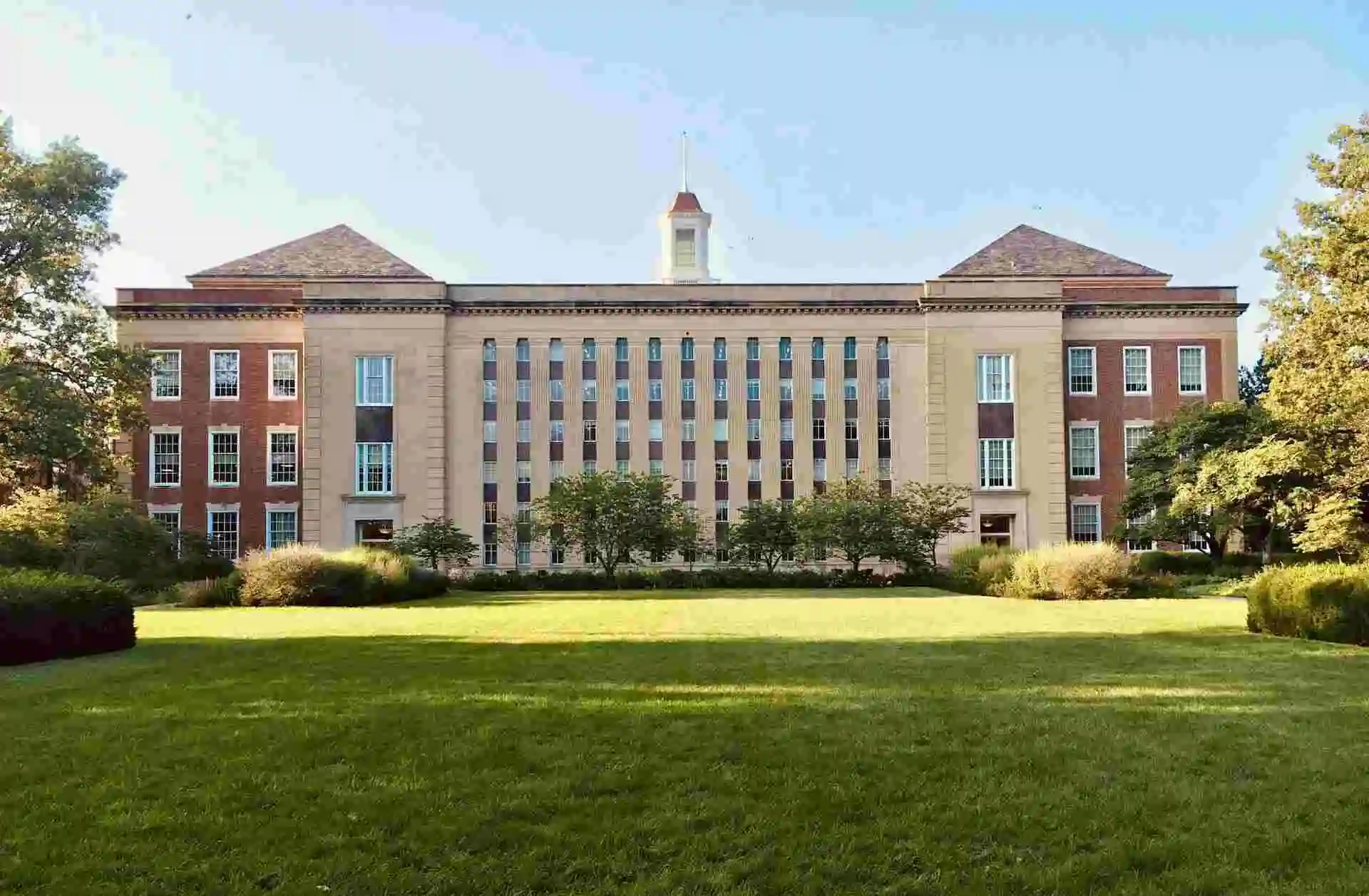

About Sdmvm College of Agriculture
If you're looking for an agriculture college in Chhatrapati Sambhajinagar that truly gets its hands dirty, Sdmvm College is a standout. Here, education isn't confined to textbooks; the emphasis is squarely on practical, field-based learning, which is a real asset when you're preparing for a career in farming or agribusiness. This private, un-aided institution has carved out its own path in the region, bringing modern agricultural education closer to the fields where it truly matters.
Institutional Overview
| Feature | Details |
|---|---|
| Type | Private Un-Aided College |
| Affiliation | Affiliated to a recognized State Agricultural University |
| Approvals | ICAR (Indian Council of Agricultural Research) recognized |
| Campus | Chhatrapati Sambhajinagar, Maharashtra |
| Established | Not specified |
Popular Programs
| Degree | Specializations | Eligibility |
|---|---|---|
| B.Sc. (Hons) Agriculture | Agronomy, Horticulture, Soil Science, Plant Pathology, Entomology, Agricultural Economics, Extension Education | 10+2 with Physics, Chemistry, Biology/Mathematics/Agriculture from a recognized board. Often requires a state-level entrance exam score (e.g., MHT-CET for Maharashtra). |
| Diploma in Agriculture | Crop Production, Livestock Management, Farm Management | 10th Pass with Science or equivalent. |
Admissions Overview
Getting into Sdmvm College of Agriculture usually involves a two-pronged approach: academic merit and, critically, your performance in relevant entrance exams. The college looks for students with a genuine interest in agriculture and a solid foundational understanding of science.
- Step 1: Qualify in a state-level entrance examination for agriculture (like MHT-CET in Maharashtra) or the national ICAR AIEEA, depending on the quota you're applying under.
- Step 2: Meet the minimum academic criteria, which typically means passing your 10+2 exams with a science stream, ensuring you have subjects like Physics, Chemistry, and Biology.
- Step 3: Participate in the centralized counseling process conducted by the state's Common Admission Process (CAP) for agricultural courses.
- Step 4: Submit your application directly to the college for any management quota seats or specific institutional rounds, if applicable, providing all required documents for verification.
Campus Facilities
| Facility | Description |
|---|---|
| Labs | Well-equipped labs for Soil Science, Plant Pathology, Entomology, and Crop Physiology. Students get practical exposure with modern instruments for research and analysis, which is super important for understanding real-world agricultural challenges. |
| Library | A spacious library housing a good collection of textbooks, research journals, and digital resources specifically tailored for agricultural studies. You'll find plenty of quiet spots for focused study and access to online databases. |
| Hostels | Separate hostel facilities for male and female students, providing a comfortable and secure living environment. Rooms are usually twin-sharing or triple-sharing, and there are common areas for recreation. |
| Sports | Basic outdoor sports facilities including grounds for cricket and football, plus courts for volleyball and badminton. It’s a nice way to unwind and stay active after a day of classes and fieldwork. |
| Placement | A dedicated career guidance and placement cell that assists students with internships, career counseling, and connects them with agribusiness companies, government agricultural departments, and research institutions. They're pretty hands-on in helping you find your footing. |