
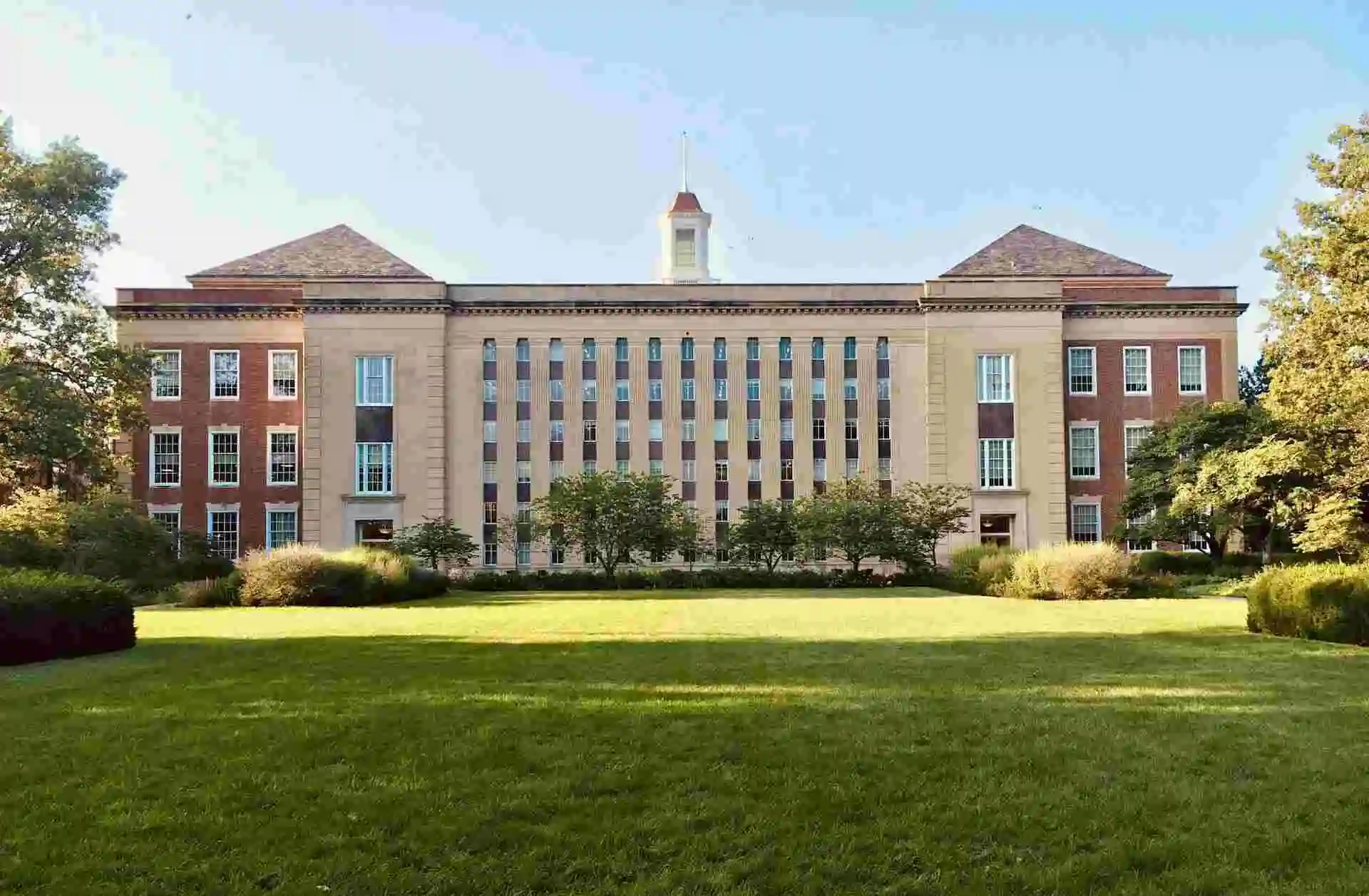

About School of Wildlife Forensic and Health
This institution is a dedicated hub for understanding and protecting wildlife, specializing in the intricate fields of forensic science and animal health. A constituent college of Nanaji Deshmukh Veterinary Science University, Jabalpur, it began its mission in 2010 to foster expertise in these critical areas.
At a Glance
| Feature | Details |
|---|---|
| Type | Constituent College |
| Affiliation | Nanaji Deshmukh Veterinary Science University, Jabalpur |
| Approvals | Constituent / University College |
| Campus | Jabalpur, Madhya Pradesh |
| Established | 2010 |
Popular Programs
| Degree | Specializations | Eligibility |
|---|---|---|
| B.V.Sc. & A.H. | Core Veterinary Science, Introduction to Wildlife Management | 10+2 with Physics, Chemistry, Biology; NEET-UG score |
| M.V.Sc. | Wildlife Health Management, Veterinary Forensic Science | B.V.Sc. & A.H. degree; entrance examination |
| Ph.D. | Wildlife Pathology, Conservation Genetics, Forensic Toxicology | M.V.Sc. in a related field; research proposal |
| PG Diploma | Wildlife Law & Ethics, Zoo Animal Practice | Bachelor's degree in relevant science discipline |
Admission Process
Admission to the various programs at the School of Wildlife Forensic and Health typically involves an initial application followed by a merit-based selection, often through a university-level entrance examination or counseling process.
- Step 1: Candidates must register online and submit the application form along with required documents and fees through the university portal.
- Step 2: Appear for the relevant entrance examination as specified for the chosen program, or ensure eligibility based on merit scores from qualifying exams.
- Step 3: Participate in the counseling sessions conducted by the affiliating university, where seat allocation and document verification take place.
- Step 4: Secure admission by completing the fee payment within the stipulated timeframe, confirming your enrollment in the program.
Campus Facilities
| Facility | Description |
|---|---|
| Labs | Specialized forensic labs equipped for DNA analysis and toxicology, alongside comprehensive veterinary pathology and microbiology labs crucial for disease investigation. |
| Library | A comprehensive collection of texts, journals, and digital resources focusing on veterinary science, wildlife biology, conservation, and advanced forensic applications. |
| Hostels | Separate, secure hostel facilities for both male and female students, providing furnished rooms, hygienic mess services, and common recreational areas for comfortable living. |
| Sports | On-campus grounds for outdoor activities like volleyball and badminton, complemented by indoor options for table tennis, encouraging student recreation and physical well-being. |
| Placement | A dedicated cell assists students with career counseling, facilitating internships with wildlife sanctuaries, forest departments, and research institutions, and connecting them with relevant employers in the field. |
Our take: This college is a niche choice, perfect for students genuinely passionate about wildlife conservation, veterinary medicine, and the legal aspects of animal protection. Prospective applicants should have a strong scientific aptitude and a clear vision for contributing to environmental and animal welfare sectors.