
About Rangnath Maharaj Agriculture College Navha
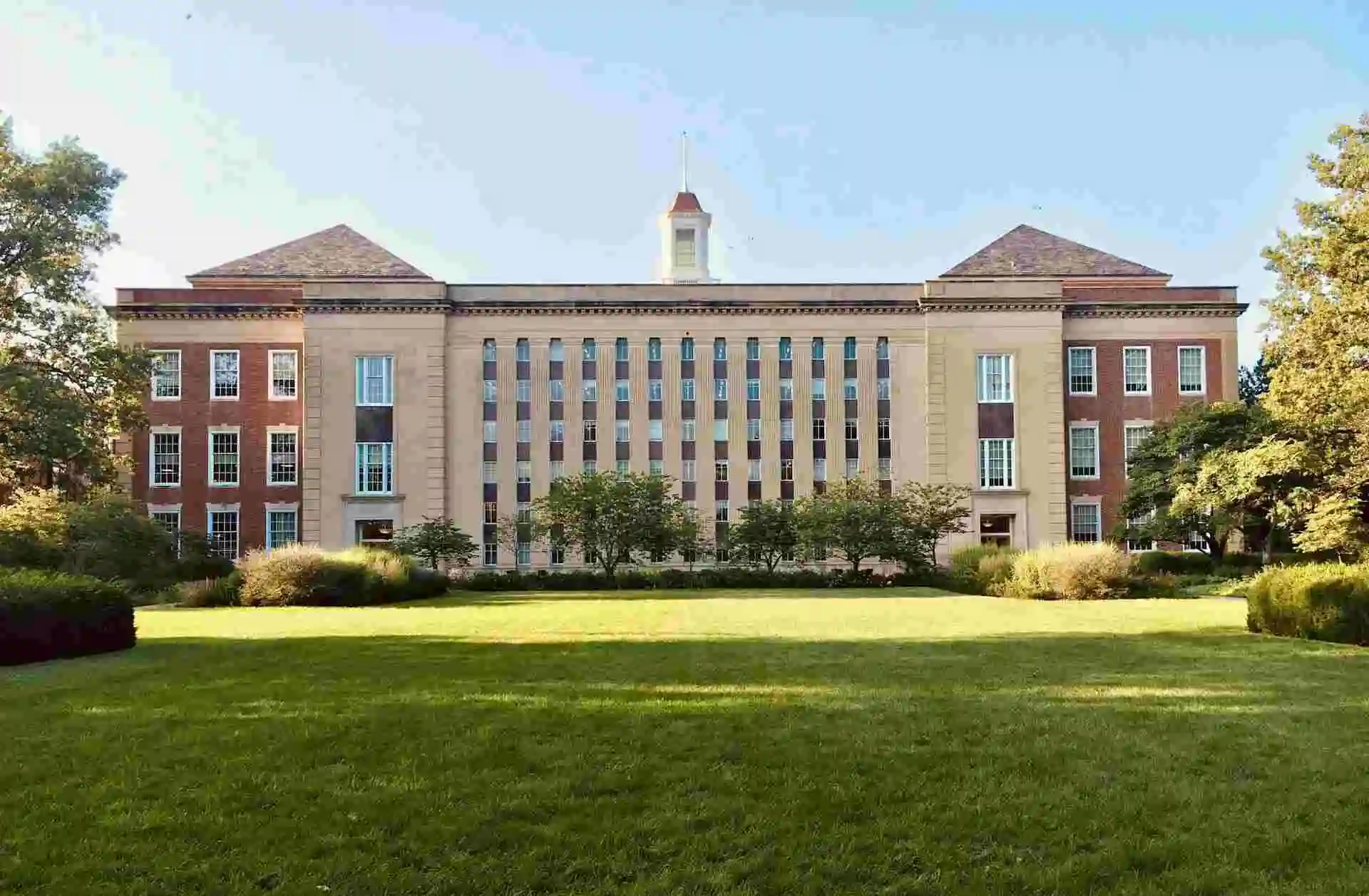
Operating from its Navha campus in Jalna, Maharashtra, Rangnath Maharaj Agriculture College was founded in 2014, specifically addressing regional needs for agricultural science education. The institution functions as an affiliated college, focusing its curriculum on contemporary agricultural practices relevant to Maharashtra's agro-economy.
Key Facts
| Feature | Details |
|---|---|
| Type | Private Un-Aided |
| Affiliation | Affiliated College |
| Approvals | Affiliated College |
| Campus | Jalna, Maharashtra |
| Established | 2014 |
Programs Offered
| Degree | Specializations | Eligibility |
|---|---|---|
| B.Sc. (Hons.) Agriculture | Agronomy, Soil Science, Plant Pathology | 10+2 Science stream with Physics, Chemistry, Biology/Agriculture, minimum 50% aggregate. |
| Diploma in Agriculture | Agricultural Extension, Seed Technology | 10th pass with relevant subjects, minimum 45% aggregate. |
| M.Sc. Agriculture | Horticulture, Agricultural Economics | Bachelor's degree in Agriculture or a related field, minimum 55% aggregate. |
Admission Process
Admissions to Rangnath Maharaj Agriculture College Navha primarily follow a merit-based system, considering academic performance in qualifying examinations. Candidates are encouraged to submit applications directly through the college's online portal.
- Step 1: Complete the online application form available on the college website, providing all academic and personal details.
- Step 2: Upload scanned copies of required documents, including academic transcripts, identity proof, and recent photographs.
- Step 3: Pay the non-refundable application fee via the secure payment gateway.
- Step 4: Await notification regarding merit list publication and subsequent counseling or interview schedules.
Campus Facilities
| Facility | Description |
|---|---|
| Labs | Houses dedicated laboratories for Soil Science, Crop Physiology, and Entomology, equipped for practical experiments and research. |
| Library | A two-floor facility holding over 7,000 volumes, including textbooks, reference materials, and national journals focused on agricultural sciences. Digital access to e-resources is also provided. |
| Hostels | Separate residential blocks for male and female students, offering double and triple occupancy rooms with a combined capacity for 250 individuals. Mess services provide daily meals. |
| Sports | Features outdoor courts for volleyball and badminton, alongside indoor provisions for table tennis. Annual sports meets foster student participation. |
| Placement | Facilitates career guidance workshops and resume building sessions. Organizes campus interviews with agricultural input companies and farm consultancies. |
Who this suits: This institution targets students committed to applied agricultural science and research, particularly those interested in contributing directly to regional agrarian development in Maharashtra. It offers a focused learning environment for practical, field-oriented studies over broad, multi-disciplinary university experiences.