
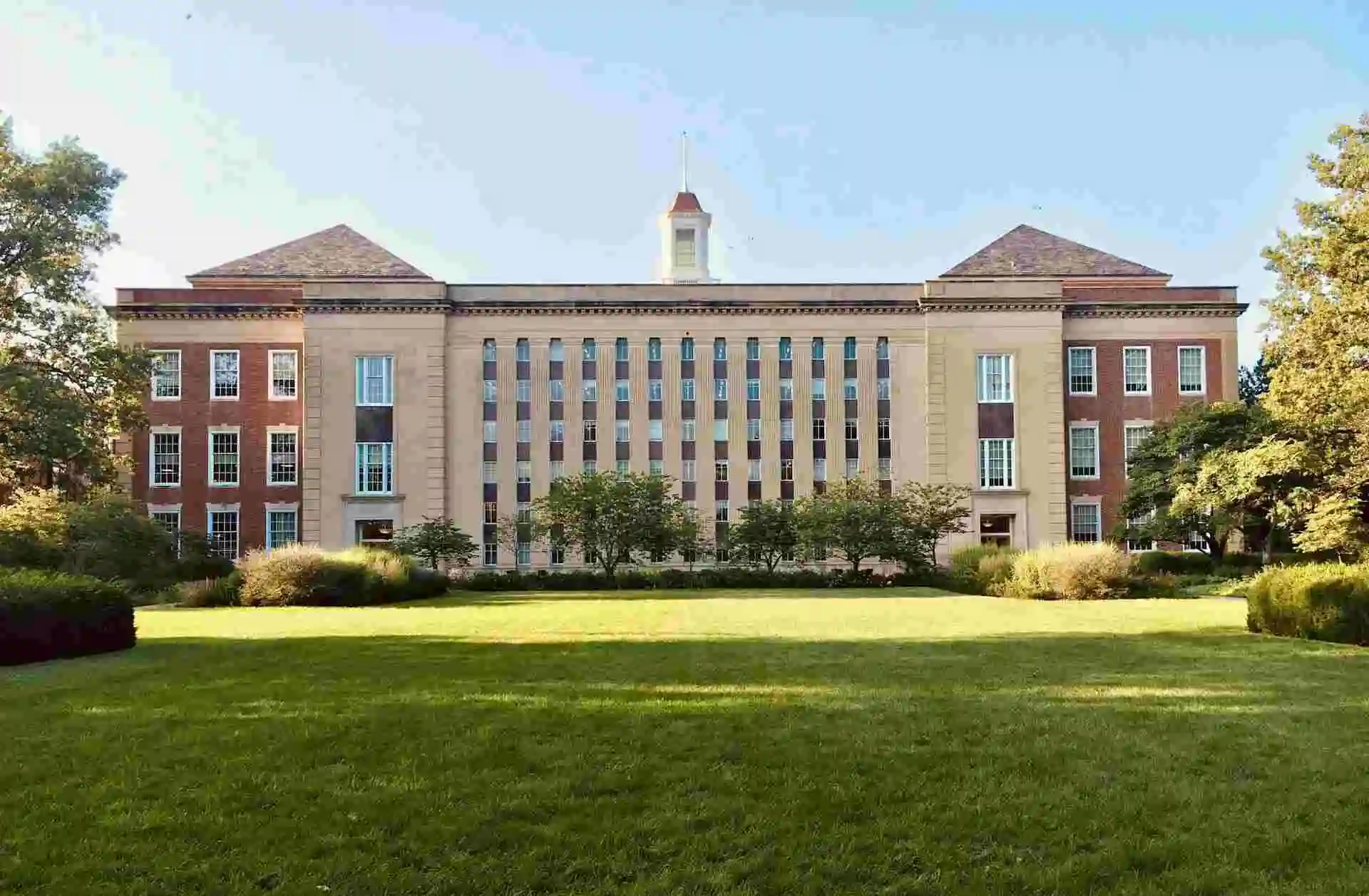

About Rajgad Dnyanpeeths College of Pharmacy
Rajgad Dnyanpeeths College of Pharmacy began its operations in 1993, specifically addressing the growing need for qualified pharmaceutical professionals within the broader Pune district and surrounding rural Maharashtra. As an affiliated institution, it focuses on delivering a structured curriculum across various pharmaceutical disciplines. The college operates under a private un-aided model, emphasizing practical competency alongside theoretical foundations.
Institution Snapshot
| Feature | Details |
|---|---|
| Type | Private Un-Aided |
| Affiliation | Savitribai Phule Pune University |
| Approvals | Pharmacy Council of India (PCI), All India Council for Technical Education (AICTE) |
| Campus | Bhor, Pune, Maharashtra |
| Established | 1993 |
Programs Offered
| Degree | Specializations | Eligibility |
|---|---|---|
| Diploma in Pharmacy (D.Pharm) | General Pharmacy Practice | 10+2 with Physics, Chemistry, and Mathematics/Biology |
| Bachelor of Pharmacy (B.Pharm) | Pharmaceutical Sciences | 10+2 with Physics, Chemistry, and Mathematics/Biology, and qualifying score in relevant entrance exam (e.g., MHT CET) |
| Master of Pharmacy (M.Pharm) | Pharmaceutics, Quality Assurance, Pharmacology | Bachelor of Pharmacy (B.Pharm) degree, often with GPAT qualification |
Application Steps
Admissions primarily follow the state-level Common Entrance Test (CET) process, managed by the Maharashtra State CET Cell.
- Step 1: Register online via the Maharashtra State CET Cell portal.
- Step 2: Appear for the designated Pharmacy CET (e.g., MHT CET) and obtain a valid score.
- Step 3: Participate in the Centralized Admission Process (CAP) rounds, selecting Rajgad Dnyanpeeths College of Pharmacy as a preference.
- Step 4: Upon provisional allotment, complete document verification and fee payment at the college within the stipulated timeframe.
On-Campus Amenities
| Facility | Description |
|---|---|
| Labs | Equipped for pharmacology, pharmaceutical chemistry, pharmaceutics, and pharmacognosy practicals, including analytical instruments like HPLC and UV-Vis spectrophotometers. |
| Library | Houses over 8,000 volumes, including textbooks, reference materials, and national/international journals, alongside digital resources for research access. |
| Hostels | Separate residential facilities for male and female students, providing furnished rooms, mess services, and common recreational areas. |
| Sports | Provisions for indoor games such as carrom and chess, alongside outdoor courts for volleyball and badminton, promoting physical activity. |
| Placement | Dedicated cell assisting students with career guidance, resume building, and coordinating industry interactions for internship and employment opportunities. |
Net-net: This institution targets students seeking a foundational pharmacy education within a structured academic environment in the Pune region. Prospective applicants should evaluate its specific program offerings against their career aspirations in pharmaceutical manufacturing, research, or retail.