
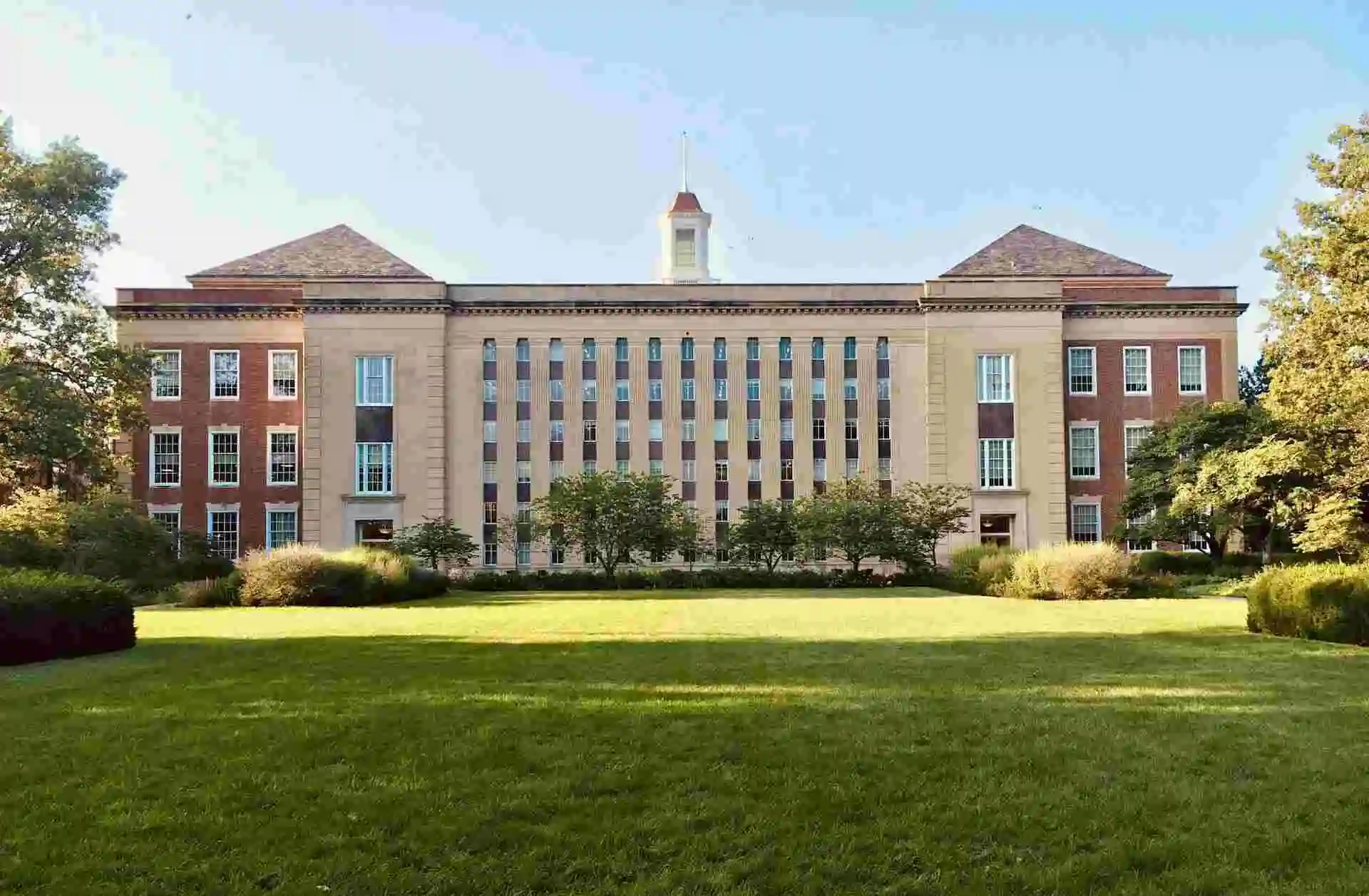

About Radhakrushna Sanskrit Mahavidyalaya
This institution is for students genuinely interested in traditional Indian knowledge systems, particularly Sanskrit language and its vast literature. Located in Balasore, it operates as a private, un-aided college dedicated to the preservation and promotion of classical studies, offering a focused academic environment for those committed to ancient wisdom. Established in 1995, it maintains its core mission as a specialized center for learning in the region.
Institutional Overview
| Feature | Details |
|---|---|
| Type | Private Un-Aided |
| Affiliation | University Affiliated (Odisha State) |
| Approvals | UGC Recognized |
| Campus | Balasore, Odisha |
| Established | 1995 |
What You Can Study Here
| Degree | Specializations | Eligibility |
|---|---|---|
| Shastri (Bachelor of Arts equivalent) | Vyakarana (Grammar), Sahitya (Literature), Darshana (Philosophy) | 10+2 examination pass from a recognized board, with demonstrable interest in Sanskrit or humanities. |
| Acharya (Master of Arts equivalent) | Nyaya (Logic), Mimamsa (Exegesis), Dharma Shastra (Jurisprudence and Ethics) | Shastri degree or an equivalent Bachelor's degree in Sanskrit/related traditional discipline. |
| Praman Patra (Diploma) | Vedic Chanting, Sanskrit Conversational Skills | Matriculation (10th pass) from a recognized board. No prior Sanskrit knowledge strictly required for the conversational course. |
| Acharya (Master of Arts equivalent) | Jyotisha (Indian Astronomy/Astrology) | Shastri degree or an equivalent Bachelor's degree in Sanskrit/related traditional discipline. |
Getting In
Admission relies primarily on academic merit from your previous qualifying examination, followed by a direct interview to assess genuine interest and aptitude for traditional studies. It's not just about marks; your commitment matters here.
- Step 1: Obtain the application form, either from the college website or directly from the administrative office in Balasore.
- Step 2: Complete the form accurately, attaching self-attested copies of your academic transcripts and relevant certificates.
- Step 3: Submit the application before the specified deadline and pay the non-refundable application fee.
- Step 4: Attend the personal interview session if shortlisted. This is where your motivation for studying Sanskrit and related subjects will be evaluated.
Life on Campus
| Facility | Description |
|---|---|
| Labs | Includes a specialized Sanskrit Language Lab for pronunciation and computational linguistics. There's also a small Manuscript Preservation Unit focused on digitizing and conserving rare texts. |
| Library | A well-stocked library houses an extensive collection of classical Sanskrit texts, commentaries, and contemporary research journals. Digital resources provide access to a broader range of academic materials. |
| Hostels | Separate hostel facilities are available for male and female students, offering basic accommodation, mess services, and a conducive environment for focused study. |
| Sports | The campus has grounds for common outdoor games like volleyball and badminton. Indoor facilities are available for chess and carrom, encouraging well-being alongside academic pursuits. |
| Placement | While not a typical placement cell, the college guides graduates toward opportunities in academia, research, traditional teaching roles, manuscript conservation, and cultural organizations. Many also pursue higher studies. |
The short version: Radhakrushna Sanskrit Mahavidyalaya is a niche institution for serious scholars of traditional Indian knowledge, not a broad-spectrum university. Before applying, ensure your academic goals align directly with in-depth classical Sanskrit and philosophical studies, as this is its singular focus.