
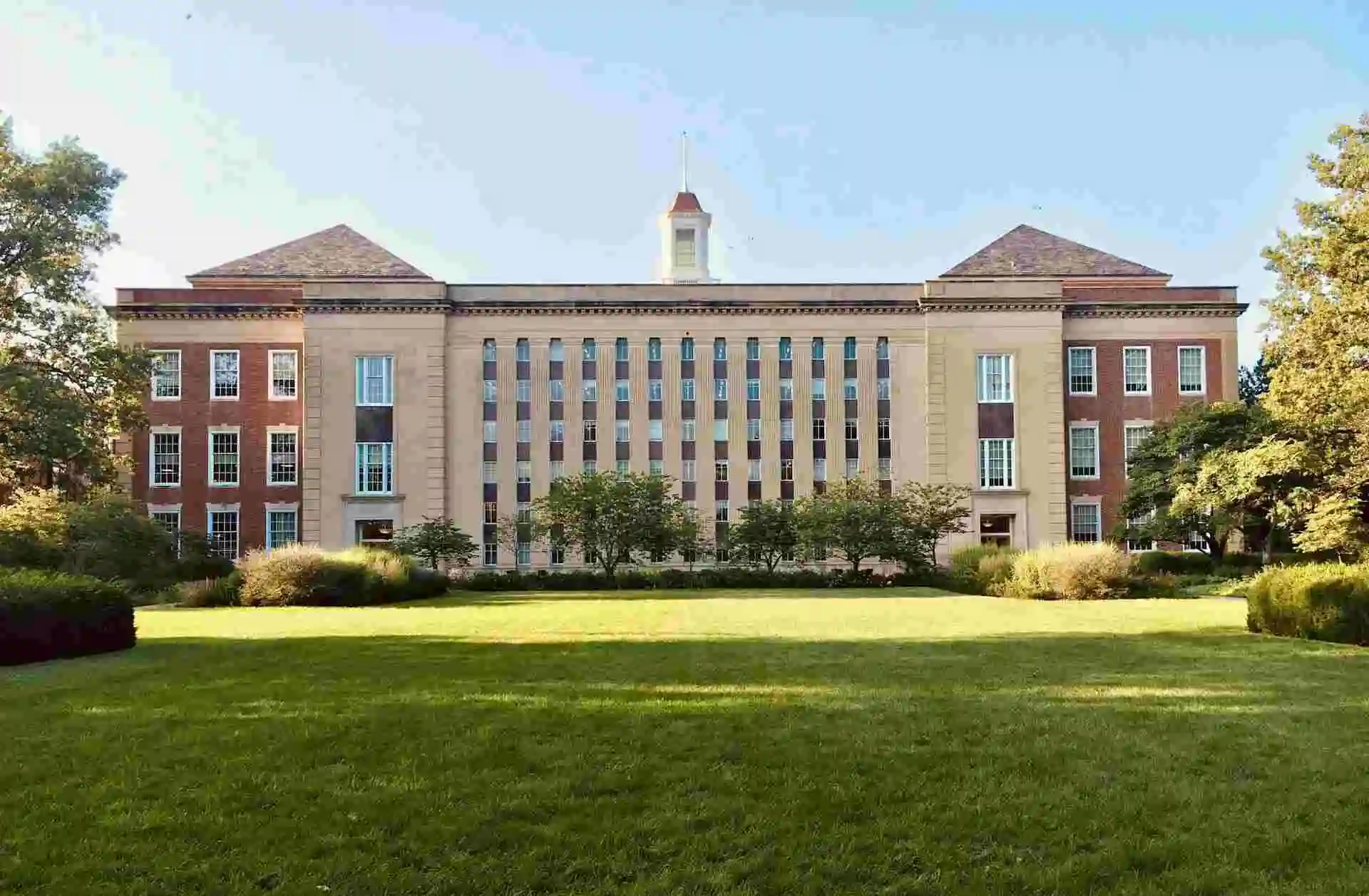

About Omm Maa Saraswati Sanskrit Mahavidyalaya
Serving Sundargarh since 1995, this private, unaided institution dedicates itself to traditional Sanskrit education. It functions as a key center for classical Indian studies, specifically catering to the region's academic and cultural needs in Odisha. The Mahavidyalaya focuses on preserving and disseminating ancient Sanskrit knowledge systems, offering structured programs rooted in traditional pedagogy.
Institution Snapshot
| Feature | Details |
|---|---|
| Type | Private Un-Aided |
| Affiliation | Operating under a state university framework in Odisha |
| Approvals | Affiliated College status |
| Campus | Sundargarh, Odisha |
| Established | 1995 |
Programs Offered
| Degree | Specializations | Eligibility |
|---|---|---|
| Shastri (Bachelor of Arts equivalent) | Vyakarana (Grammar), Sahitya (Literature), Darshana (Philosophy), Jyotish (Astrology), Veda | 10+2 or equivalent from a recognized board |
| Acharya (Master of Arts equivalent) | Vyakarana, Sahitya, Darshana | Bachelor's degree (Shastri or equivalent) from a recognized institution |
| Prak-Shastri (Preparatory Course) | Foundational Sanskrit and traditional texts | Class X pass or equivalent |
Admissions Overview
Admission to the Mahavidyalaya typically involves a merit-based selection process, often supplemented by a direct interaction or basic aptitude assessment in Sanskrit. Candidates are evaluated on their academic performance and interest in traditional studies.
- Step 1: Submit the application form, available online or directly from the college office, along with required academic transcripts.
- Step 2: Appear for a basic entrance evaluation or personal interview, if stipulated for the chosen program.
- Step 3: Await the merit list announcement, based on qualifying examination scores and any interview performance.
- Step 4: Complete document verification and fee payment to secure admission.
Campus & Infrastructure
| Facility | Description |
|---|---|
| Labs | A dedicated language lab supports Sanskrit phonetics and recitation practice. Additionally, a basic computer lab provides digital literacy resources. |
| Library | The library houses an extensive collection of ancient Sanskrit texts, modern scholarly works on Indology, and research journals, catering specifically to traditional studies. |
| Hostels | Separate hostel facilities are available for male and female students, offering basic accommodation and a conducive environment for study. |
| Sports | The campus provides open grounds for traditional Indian games and indoor facilities for recreational activities. |
| Placement | The institution supports graduates seeking roles in teaching, academic research, temple service, and cultural preservation initiatives within government and non-governmental organizations. |
Our take: This Mahavidyalaya serves a specific academic niche for students committed to classical Sanskrit scholarship and traditional Indian knowledge systems. Prospective applicants should confirm their interest aligns with a rigorous curriculum focused on ancient texts, rather than a broad, interdisciplinary humanities program.