
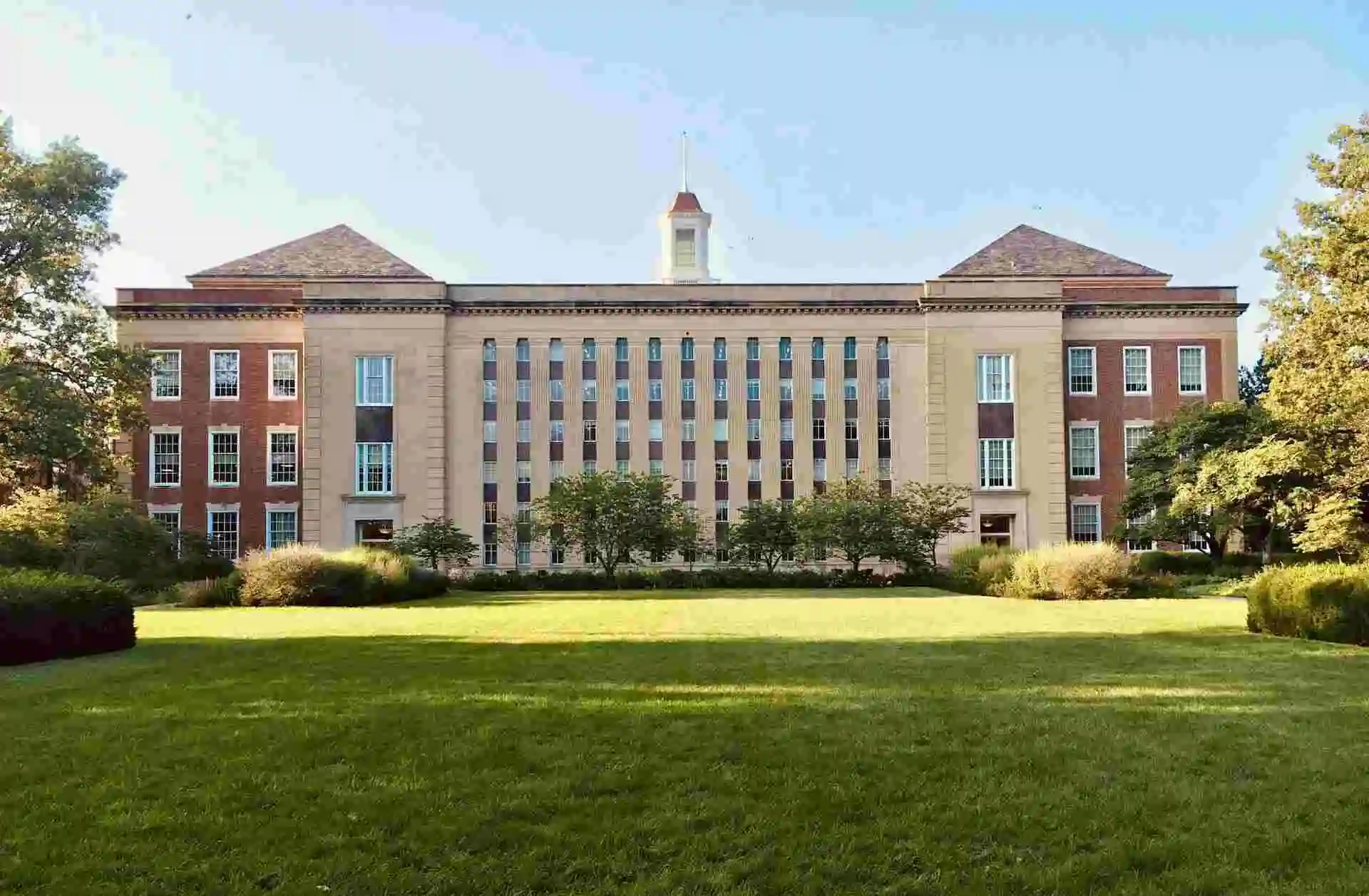

About M. L. Nehru Law College
When I review candidates from M. L. Nehru Law College, what often becomes apparent is their practical command of legal principles, demonstrating an almost ingrained regional sensibility for how law actually operates on the ground. This institution, established in 1960 within Khandwa, Madhya Pradesh, has a long tradition of cultivating legal talent, functioning as a private unaided college under a state university affiliation.
Quick Reference
| Feature | Details |
|---|---|
| Type | Private Un-Aided |
| Affiliation | Affiliated to a State University |
| Approvals | Affiliated College status, ensuring programs meet regulatory standards through its university. |
| Campus | Khandwa (East Nimar), Madhya Pradesh |
| Established | 1960 |
Programs Offered
| Degree | Specializations | Eligibility |
|---|---|---|
| B.A. LL.B. | General Law, Criminal Law | 10+2 in any recognized stream |
| LL.B. | General Law, Corporate & Business Law | Bachelor's Degree from a recognized university |
| LL.M. | Constitutional Law, Human Rights Law | LL.B. Degree from a recognized university |
Admission Process
Admissions typically commence with online application submissions, followed by a merit-based selection often incorporating scores from state or university-level entrance examinations.
- Step 1: Online registration and application through the college portal or designated state counselling platform.
- Step 2: Appear for the required entrance examination, if applicable, as specified by the affiliating university or state directive.
- Step 3: Participation in the counselling rounds based on merit list rankings, followed by provisional seat allocation.
- Step 4: Document verification and payment of the prescribed fees to confirm admission.
Facilities Overview
| Facility | Description |
|---|---|
| Labs | Includes a dedicated Moot Court Hall for practical advocacy training and a Legal Aid Clinic for community outreach and experiential learning. |
| Library | A well-stocked collection featuring legal texts, landmark judgments, national and international journals, and access to digital legal databases. |
| Hostels | Separate residential accommodation provided for both male and female students, complemented by hygienic mess services. |
| Sports | Provisions for various indoor games and access to outdoor sporting facilities for student recreation and physical well-being. |
| Placement | A proactive career guidance cell that facilitates internships, connects students with legal firms and practitioners, and assists with preparation for judicial services. |
Net-net: If you're seeking graduates who aren't just theoretically sound but also possess a robust understanding of regional legal practice, this institution consistently delivers. They tend to be well-prepared for real-world legal scenarios, often demonstrating a strong commitment to local community engagement.