
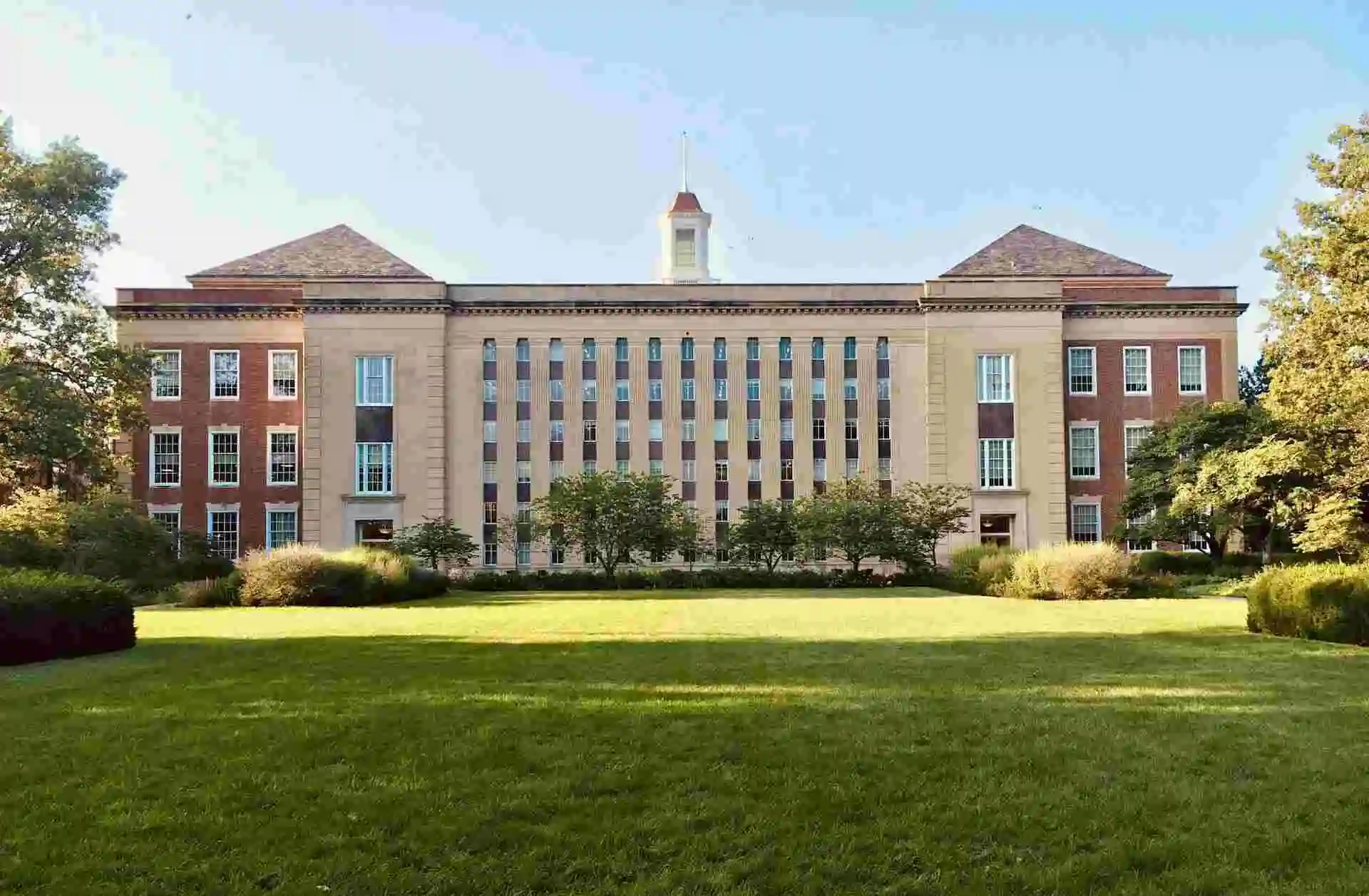

About Kumari Lakshmi Badhala Education and Research Institute
Jaipur has many teacher training hubs, but this one is distinct.
If you are eyeing a career in school teaching, particularly Sanskrit instruction, this campus in Jaipur's suburban belt is worth your attention. It runs as a private, un-aided setup focused strictly on preparing students for the classroom floor. You will not find corporate-style glass buildings here; the college prioritizes traditional blackboard-and-chalk training alongside Rajasthan's regional teaching curriculum.
Key Facts
| Feature | Details |
|---|---|
| Type | Co-educational Teacher Training |
| Campus | Suburban Jaipur, Rajasthan |
| Total Intake / Seats | 100 seats approximately |
| Ownership | Private / Trust-run |
What You Can Study Here
| Degree | Specializations | Eligibility |
|---|---|---|
| Shiksha Shastri (B.Ed) | Sanskrit Teacher Education | Shastri (Sanskrit Graduation) or equivalent with at least 50% marks |
| Bachelor of Education (B.Ed) | General School Subjects | Graduation in any stream with a minimum of 50% marks |
Application Steps
Securing a seat relies on a mix of state-level eligibility rules and your prior academic performance. The college aligns with the state's centralized teacher-training directives.
- Submit your qualifying graduation marksheets to prove you meet the 50% minimum threshold.
- Provide your Rajasthan PTET scorecard if you are applying through the state-level counseling quota.
Facilities Overview
| Facility | Description |
|---|---|
| Library | Stocked heavily with classical Sanskrit texts, school pedagogy guides, and educational psychology journals rather than general fiction. |
| Sports / Playground | A simple, open-air clay field used for physical training exercises and local athletic drills during seasonal sports meets. |
| Hostels | Basic, functional boarding setups nearby with shared rooms, study tables, and simple vegetarian meals for students from rural districts. |
| Student Clubs & Societies | Focuses heavily on cultural assemblies, including Sanskrit speech contests, traditional recitation groups, and mandatory practice-teaching clubs. |
Our take: Skip this place if you are looking for corporate networking or multinational job fairs; it is purely a practical training ground for future schools and government teaching aspirants. Make sure to verify their affiliation status with Rajasthan Sanskrit University directly before completing your paperwork.