
About G T Sanskrit Mahavidyalaya
For students deeply drawn to the wisdom of classical Indian languages, philosophy, and ancient texts, G T Sanskrit Mahavidyalaya offers a singular educational path. Founded in 1948, this institution in Mumbai, Maharashtra, has dedicated itself to the preservation and promotion of Sanskrit studies, operating as an affiliated college within the city's academic ecosystem.
At a Glance
| Feature | Details |
|---|---|
| Type | Private |
| Affiliation | Affiliated College |
| Approvals | Affiliated College |
| Campus | Mumbai, Maharashtra |
| Established | 1948 |
Popular Programs
| Degree | Specializations | Eligibility |
|---|---|---|
| Shastri (B.A. in Sanskrit) | Sanskrit Literature, Vedic Studies | 10+2 from a recognized board |
| Acharya (M.A. in Sanskrit) | Darshan (Indian Philosophy), Vyakarana (Grammar), Sahitya (Literature) | Bachelor's degree with Sanskrit as a core subject |
| Vidyavaridhi (Ph.D.) | Advanced Research in specific Sanskrit texts or themes | Master's degree in Sanskrit or equivalent with a research proposal |
How to Apply
Admission to G T Sanskrit Mahavidyalaya primarily involves a careful review of academic history and a genuine interest in the specific fields of study offered here. The process is straightforward, focusing on identifying dedicated learners.
- Step 1: Obtain the application form, either online from the official website or directly from the college office during the specified window.
- Step 2: Complete the form accurately, attaching required documents such as academic transcripts, transfer certificates, and identity proofs.
- Step 3: Submit the application with the processing fee by the deadline. Shortlisted candidates may be invited for an interview or counselling session to assess their aptitude and commitment.
- Step 4: Upon selection, confirm admission by paying the prescribed fees within the stipulated timeframe.
Campus Facilities
| Facility | Description |
|---|---|
| Library | The college library houses an extensive collection of ancient and modern Sanskrit texts, rare manuscripts, academic journals, and research publications, providing a quiet space for focused study. |
| Computer Lab | Equipped with internet access and relevant software, the computer lab supports students in digital research, online learning resources, and preparing scholarly papers. |
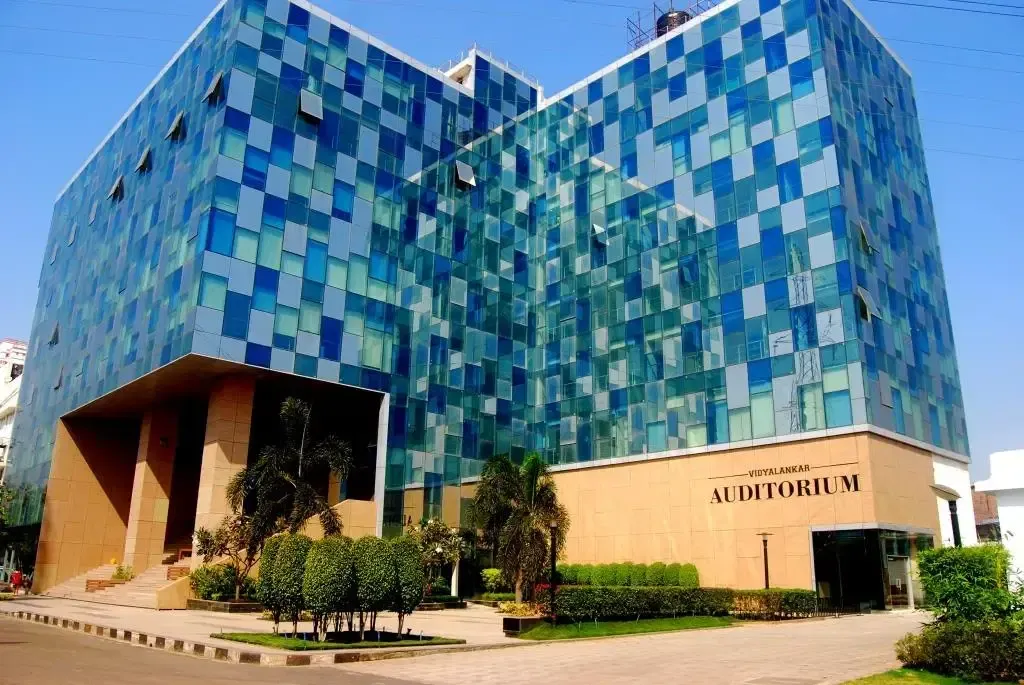
| Auditorium | A well-equipped auditorium serves as a venue for lectures, cultural programs, and academic discussions, fostering community engagement. |
| Hostel | Limited hostel accommodation is available for outstation students, offering a comfortable and secure living environment on campus. |
| Canteen | A modest canteen provides refreshments and meals, serving as a gathering spot for students and faculty during breaks. |
In short: This institution isn't just about academic degrees; it's a place for cultivating a deep connection with India's linguistic and philosophical heritage. If you seek a focused, traditional education that values scholarly rigor over mainstream vocational paths, G T Sanskrit Mahavidyalaya offers a unique and enriching environment in the heart of Mumbai.