
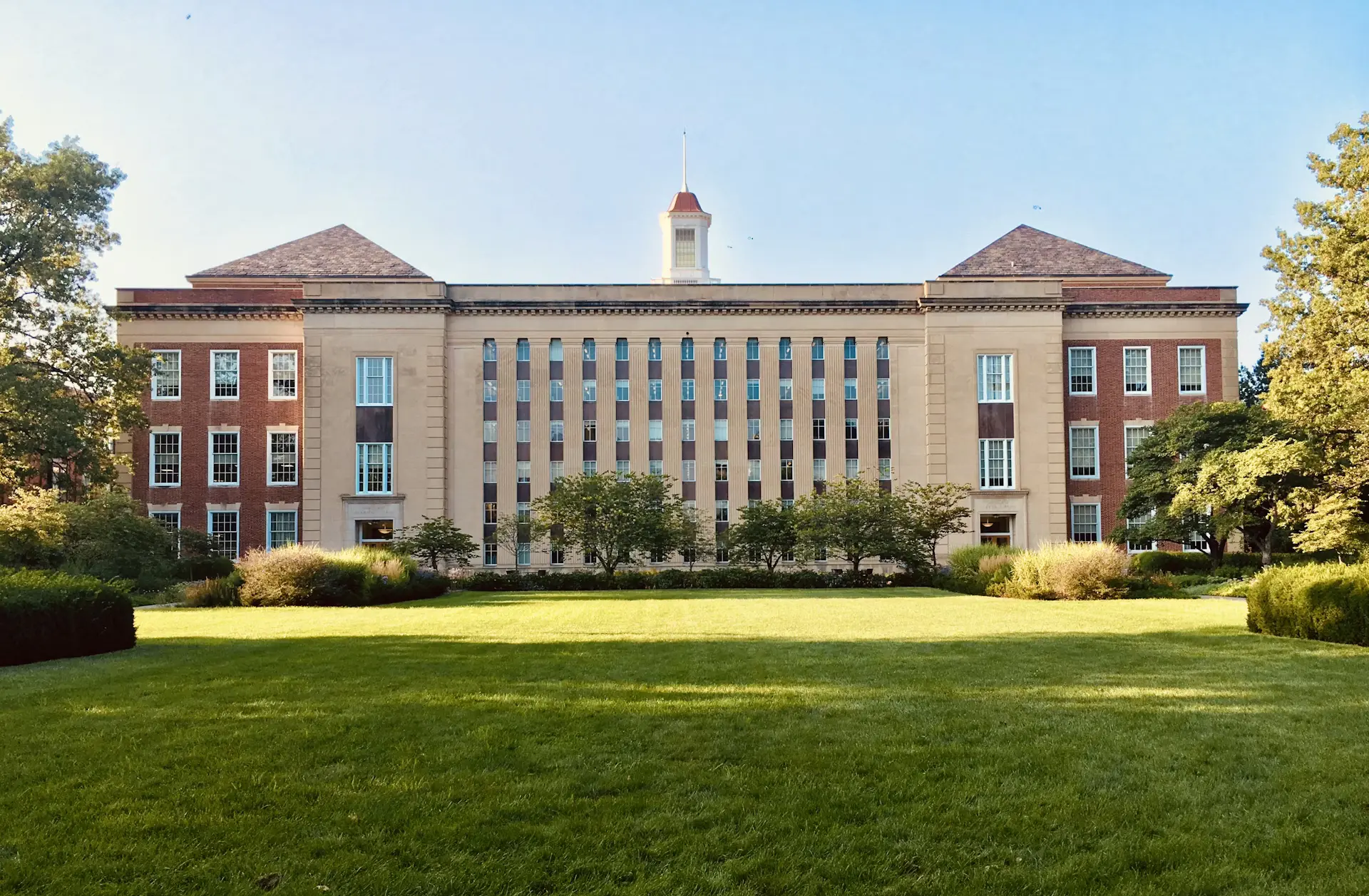

About Daksh Law College
What kind of legal professional does Daksh Law College actually send into the market? From our perspective, they produce graduates who hit the ground running, particularly attuned to the nuances of regional legal practice. This institution, a private initiative in Chhatarpur, focuses keenly on practical application, preparing students for the direct demands of the legal profession within Madhya Pradesh and beyond.
Institutional Overview
| Feature | Details |
|---|---|
| Type | Private Un-Aided |
| Affiliation | Affiliated with a recognized state university in Madhya Pradesh |
| Approvals | Bar Council of India (BCI) |
| Campus | Chhatarpur, Madhya Pradesh |
| Established | 2025 |
What You Can Study Here
| Degree | Specializations | Eligibility |
|---|---|---|
| BA LLB (Hons.) | General Law, Public Policy | 10+2 with minimum required percentage |
| BBA LLB (Hons.) | Corporate Law, Business Ethics | 10+2 with minimum required percentage |
| LLB | Criminal Law, Civil Litigation | Graduation in any discipline |
| LLM | Corporate & Business Law, Human Rights Law | LLB or equivalent degree |
Getting In
Admission to Daksh Law College typically involves a merit-based selection process, often integrating academic performance with an assessment of legal aptitude. Students are encouraged to familiarise themselves with the specific eligibility criteria for their chosen program.
- Step 1: Complete the online application form and submit necessary academic documents.
- Step 2: Appear for the college's entrance examination or submit valid scores from a recognized national/state-level law entrance test.
- Step 3: Participate in a personal interview round, assessing communication skills and motivation.
- Step 4: Final selection based on overall merit, followed by document verification and fee payment.
Life on Campus
| Facility | Description |
|---|---|
| Labs | Includes a specialized Moot Court Hall for practical advocacy training and a Computer Lab equipped with access to major legal databases and research tools. |
| Library | A collection of legal texts, journals, and e-resources, alongside designated quiet zones for individual study and collaborative work. |
| Hostels | Separate residential facilities for male and female students, providing secure accommodation with basic amenities and mess services. |
| Sports | Offers facilities for indoor sports like table tennis and chess, complemented by a modest outdoor area for general fitness activities. |
| Placement | A dedicated career guidance cell assists students with internship placements, CV building, and preparing for initial career opportunities in legal firms, corporate houses, and judicial services. |
Our take: This institution will appeal to students seeking foundational legal education with a regional lens, particularly those eyeing careers in district courts or local administration. While still establishing its broader reputation, its focused curriculum provides a strong springboard for practical legal work.