
About CEPT University
Aspiring architects and urban planners often look towards Ahmedabad for its concentrated programs in the built environment. CEPT University, a private institution, has long been central to this focus, offering specialized education across design, planning, technology, and management of human habitats. It operates independently, drawing students who are seriously committed to these disciplines.
Key Facts
| Feature | Details |
|---|---|
| Type | Private University |
| Affiliation | CEPT University (Deemed-to-be University) |
| Approvals | UGC, AICTE, COA |
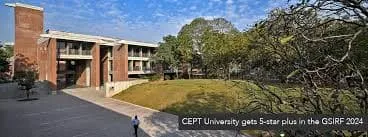
| Campus | Kasturbhai Lalbhai Campus, University Road, Navrangpura, Ahmedabad, Gujarat 380009 |
| Established | 1962 |
Popular Programs
| Degree | Specializations | Eligibility |
|---|---|---|
| Bachelor of Architecture (B.Arch) | Architecture | 10+2 with Physics, Chemistry, Maths and NATA score |
| Bachelor of Design (B.Des) | Industrial Design, Interior Design, Product Design | 10+2 (any stream) and CEPT Design Aptitude Test |
| Master of Urban Planning (M.Plan) | Urban Planning, Urban Housing, Urban Transport | Bachelor's degree in Architecture, Planning, Civil Engineering, or relevant fields; CEPT Entrance Exam or GATE score |
| Master of Technology (M.Tech) | Construction Technology, Structural Engineering Design | Bachelor's degree in Civil Engineering or Architecture; CEPT Entrance Exam or GATE score |
Application Steps
The journey to CEPT begins with an online application and often involves a specialized entrance examination, reflecting the university's focus on design and planning disciplines.
- Step 1: Complete the online application form and submit the required application fee through the university's portal.
- Step 2: Appear for the relevant entrance examinations. This typically includes NATA for B.Arch, the CEPT Design Aptitude Test for B.Des, and a CEPT Entrance Exam or valid GATE score for postgraduate programs.
- Step 3: Shortlisted candidates are invited for subsequent rounds, which may involve studio tests, portfolio reviews, or personal interviews, depending on the program's specific requirements.
- Step 4: Final selection is based on a comprehensive evaluation of academic record, entrance exam performance, and interview/portfolio results, followed by merit list publication and counselling.
Life on Campus
| Facility | Description |
|---|---|
| Labs | Practical design studios are a cornerstone here. Expect dedicated workshops for model making, material testing facilities, and computer labs equipped with industry-standard design software. |
| Library | The campus houses a significant collection of books, journals, and digital resources covering architecture, urban planning, conservation, and related design disciplines. It supports extensive research needs. |
| Hostels | Limited on-campus residential options are available, providing basic amenities for students who require accommodation. Many students also find housing in nearby areas. |
| Sports | While not a sports-focused university, the campus includes areas for indoor games and some outdoor recreation, encouraging student well-being through casual activities. |
| Placement | The career services office assists students with internships and final placements. They connect students with architecture firms, urban development agencies, real estate companies, and design studios across the country. |
What stands out: Its programs are intensely project-driven, meaning applicants should be prepared for a hands-on, studio-based learning experience from day one. This is not a place for generalists; it caters specifically to those deeply committed to shaping our physical world.