
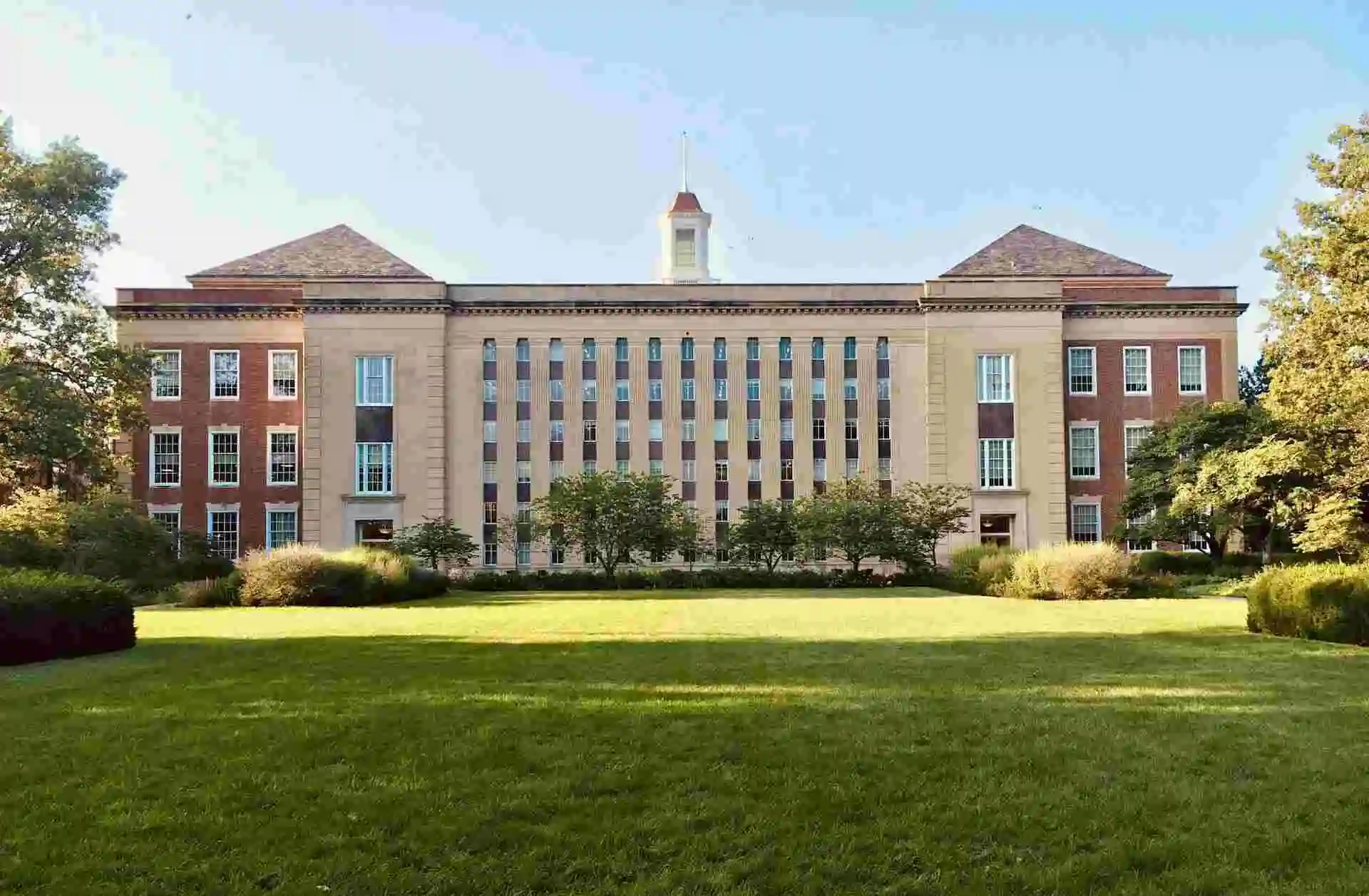

About C.R. D.A.V. Girls College of Education
C.R. D.A.V. Girls College of Education was founded in 2010 with a clear mission: to empower women in Sirsa and its surrounding districts through quality teacher training. It serves as a dedicated space for future educators, providing a focused environment for B.Ed and D.El.Ed programs. Operating as a private, un-aided institution, the college maintains its commitment to academic standards under the purview of its affiliating university.
Institutional Overview
| Feature | Details |
|---|---|
| Type | Private Un-Aided |
| Affiliation | Affiliated to a State University in Haryana |
| Approvals | Recognized by the State Government of Haryana for teacher education programs |
| Campus | Sirsa, Haryana |
| Established | 2010 |
Academic Programs
| Degree | Specializations | Eligibility |
|---|---|---|
| Bachelor of Education (B.Ed) | Pedagogy of Science, Pedagogy of Mathematics, Pedagogy of Social Studies, Pedagogy of Hindi, Pedagogy of English | Graduation in any discipline with a minimum of 50% marks, or a Post-Graduation with 50% marks. |
| Diploma in Elementary Education (D.El.Ed) | Elementary Teacher Education | 10+2 examination with at least 50% marks from a recognized board. |
Admissions Overview
Admission to C.R. D.A.V. Girls College of Education primarily follows the guidelines set by the affiliating university and the Haryana State Government for teacher education programs. Candidates typically apply through a centralized counselling process.
- Step 1: Register online for the common admission process as notified by the state's higher education department.
- Step 2: Submit academic details and preferences for B.Ed or D.El.Ed courses.
- Step 3: Participate in the state-level counselling rounds based on merit from qualifying examinations.
- Step 4: Secure provisional admission after document verification and fee payment at the college.
Life on Campus
| Facility | Description |
|---|---|
| Labs | The college maintains well-equipped pedagogical labs, including a science lab for practical experiments, a language lab for improving communication skills, and an educational technology lab for digital teaching aids. These spaces support hands-on learning for future teachers. |
| Library | A dedicated library collection supports all academic programs, offering textbooks, reference materials, educational journals, and a section for general knowledge. Students can access both print and digital resources for their studies and research. |
| Hostels | On-campus hostel facilities provide a secure and comfortable living arrangement for outstation students. Rooms are furnished, and the hostels include mess services, promoting a supportive community environment. |
| Sports | While focused on academics, the college encourages physical well-being through indoor and outdoor sports opportunities. Students participate in games like badminton, volleyball, and various athletic activities on the college grounds. |
| Placement | The college's career guidance cell assists graduating students in exploring teaching opportunities. They organize workshops on interview skills, resume building, and connect students with schools for potential recruitment, aiding their entry into the education sector. |
For prospective students: If you are seeking a focused, supportive environment specifically for women's teacher education in Haryana, C.R. D.A.V. Girls College of Education offers a clear path. Ensure you meet the specific state-level eligibility criteria for B.Ed or D.El.Ed before initiating the application process.