
About Jawaharlal Nehru Centre For Advanced Scientific Research
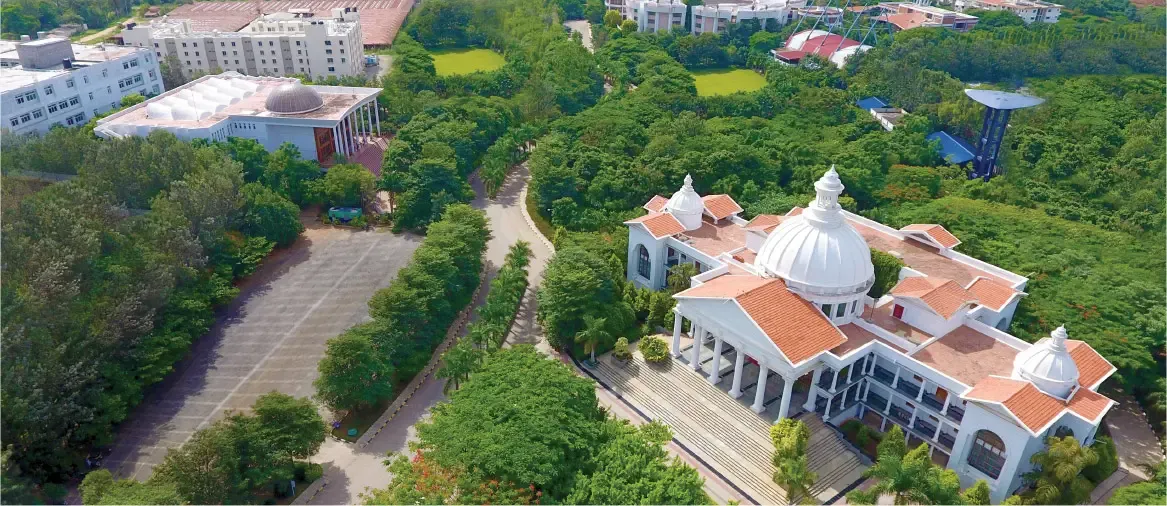
Jawaharlal Nehru Centre For Advanced Scientific Research (JNCASR), established in 1989, is a premier autonomous research institution located in Bengaluru Urban, Karnataka. Functioning under the Department of Science & Technology, Government of India, JNCASR is dedicated to fostering advanced scientific inquiry and innovation across various disciplines, contributing significantly to India's research landscape.
Institutional Overview
| Feature | Details |
|---|---|
| Type | Autonomous Research Institute (Deemed-to-be-University) |
| Affiliation | Department of Science & Technology, Govt. of India |
| Approvals | UGC |
| Campus | Bengaluru Urban, Karnataka |
| Established | 1989 |
Popular Programs
| Degree | Specializations | Eligibility |
|---|---|---|
| MS (Research) | Materials Science, Chemical Sciences, Biological Sciences, Physical Sciences, Engineering Sciences | Master's degree in a relevant field or an equivalent Bachelor's degree with exceptional merit |
| PhD | Materials Science, Chemical Sciences, Biological Sciences, Physical Sciences, Engineering Sciences | Master's degree in a relevant field or a 4-year Bachelor's degree with a strong research aptitude; qualification in national-level entrance exams (GATE, CSIR-UGC NET, JGEEBILS, etc.) |
| Integrated MS-PhD | Materials Science, Chemical Sciences, Biological Sciences, Physical Sciences, Engineering Sciences | Bachelor's degree in Engineering/Science with outstanding academic record; qualification in national-level entrance exams |
| Summer Research Fellowship | Various Research Areas | Undergraduate/Postgraduate students in science/engineering disciplines |
Admission Process 📝
Admissions to JNCASR's postgraduate and research programs are highly competitive, based on rigorous selection criteria including academic merit and performance in national-level entrance examinations.
- Step 1: Interested candidates must apply online through the official JNCASR admissions portal during the specified application window.
- Step 2: Shortlisting of applicants is done based on their academic records and valid scores in national-level entrance examinations such as GATE, CSIR-UGC NET, JGEEBILS, or equivalent.
- Step 3: Shortlisted candidates are then invited for a comprehensive written test, where applicable, followed by an interview conducted by expert faculty panels.
- Step 4: Final selection is based on the cumulative performance in the interview, written test (if any), and academic achievements, leading to the release of a merit list and offer of admission.
Campus Facilities 🏛️
| Facility | Description |
|---|---|
| Labs | State-of-the-art research laboratories equipped with advanced instrumentation and experimental facilities across all scientific disciplines, fostering cutting-edge discovery. |
| Library | An extensive library housing a vast collection of scientific literature, leading journals, databases, and digital resources, providing comprehensive support for research and study. |
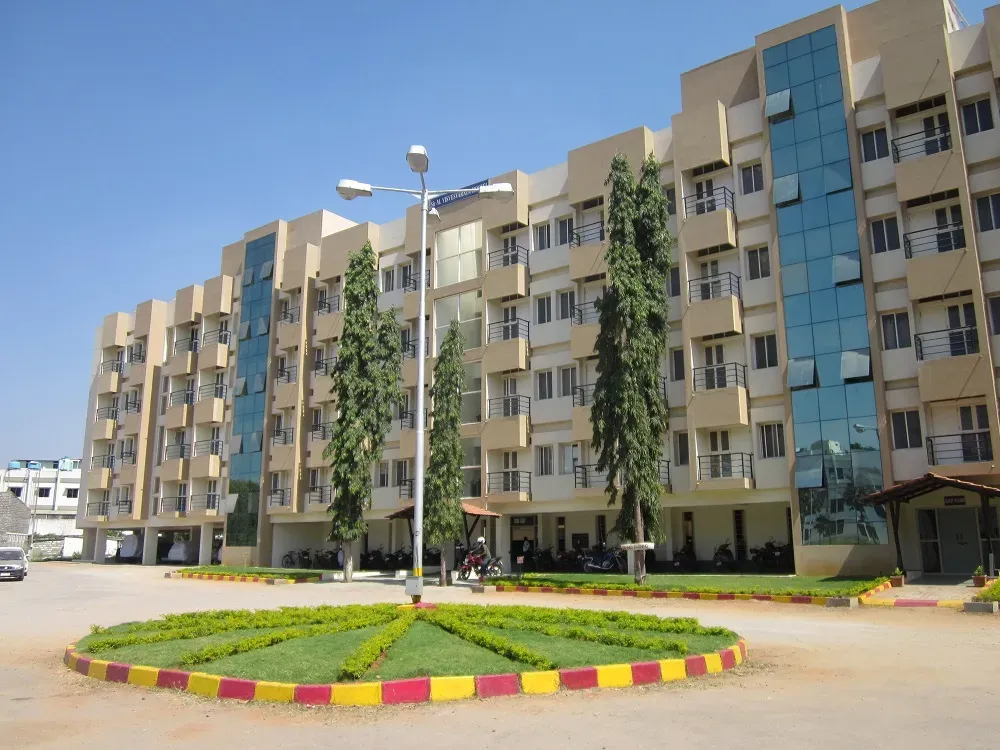
| Hostels | Comfortable and well-maintained on-campus hostel facilities are available for both male and female students and research scholars, ensuring a conducive living and learning environment. |
| Sports | Basic sports and recreational facilities, including indoor games and a gymnasium, are available for students to maintain physical well-being and engage in leisure activities. |
| Placement | While JNCASR focuses on advanced research, it nurtures scholars for careers in academia, R&D institutions, and innovation-driven industries, facilitating pathways for post-doctoral fellowships and scientific leadership roles. |
Final Thought: JNCASR stands as a beacon of scientific research in India, offering unparalleled opportunities for aspiring scientists and scholars. Its focus on interdisciplinary research, world-class facilities, and esteemed faculty makes it an ideal choice for those pursuing a rigorous and impactful scientific career.