
NEET 2026 Re-Exam: Government Targets Fake Telegram Leak Networks Before Retest
NEET 2026 Re-Exam: Government Targets Fake Telegram Leak Networks Before Retest
With the NEET UG 2026 re-exam now just weeks away, the government clearly doesn’t want another controversy spiralling out of control.
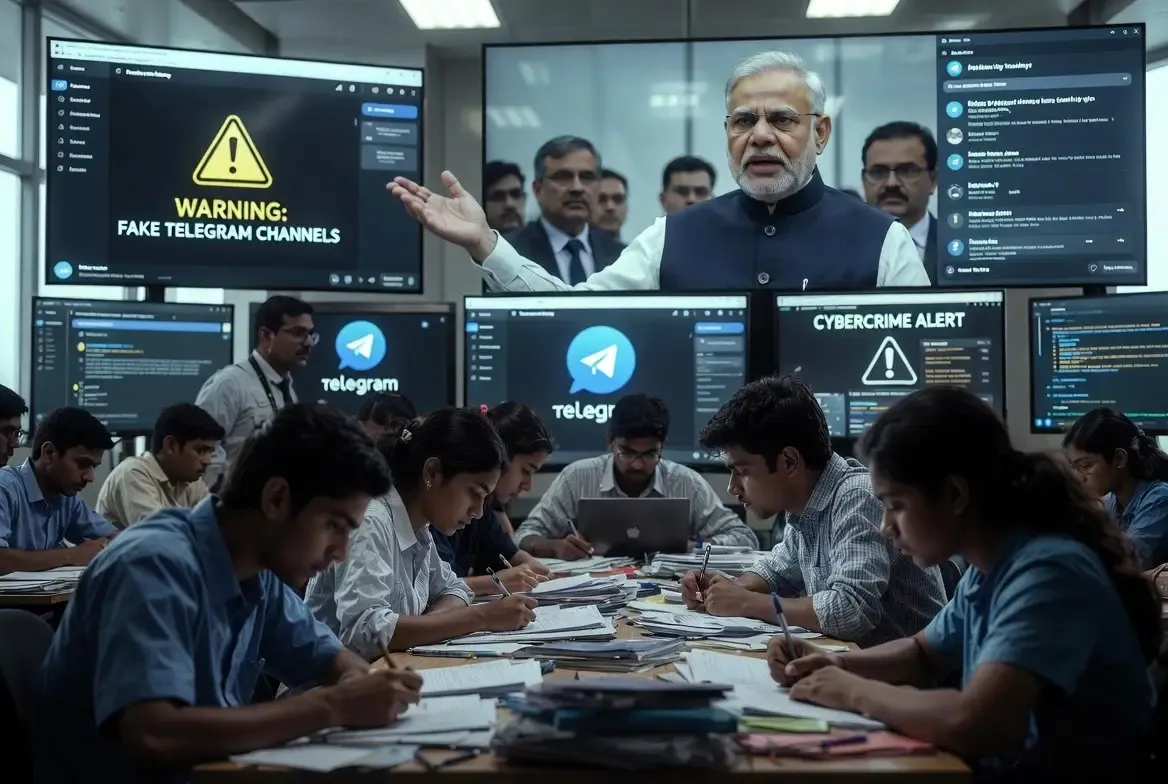
Union Education Minister Dharmendra Pradhan on Wednesday chaired a high-level security review meeting and ordered agencies to crack down on fake Telegram channels spreading false paper leak claims and exam misinformation online. The move comes ahead of the NEET re-exam scheduled for June 21 after the original examination landed in controversy over alleged paper leak reports.
According to officials, several Telegram groups and anonymous online channels have been circulating fake screenshots, “leaked papers,” answer keys, and clickbait claims aimed directly at anxious NEET aspirants. Authorities believe many of these networks are coordinated operations rather than random student groups.
Why Telegram Channels Are Under Scanner
This is not just about rumours anymore. Intelligence agencies reportedly told the Education Ministry that multiple suspicious Telegram channels were linked through a limited number of phone numbers, which raised concerns about organised misinformation campaigns.
That changes the seriousness of the issue.
For students already dealing with pressure, fake leak claims create panic within minutes. One forwarded screenshot becomes ten thousand shares before anyone even checks if it’s real.
Officials also warned that many links shared in these groups redirect users toward automated bots, fake discussion communities, or scam channels designed to harvest data and spread more misleading content.
| Issue Identified | Government Concern |
|---|---|
| Fake paper leak claims | Creates panic among students |
| Anonymous Telegram groups | Difficult to track operators |
| Automated bots and fake links | Spread misinformation quickly |
| False answer keys | Confuses candidates before exam |
| Coordinated online activity | Possible organised scam networks |
Meta, Google and Telegram Called Into Meetings
In a separate discussion, representatives from Meta, Google, and Telegram were reportedly asked to proactively monitor and block networks spreading fake NEET-related content online.
The government wants quicker takedowns this time.
That’s important because during major competitive exams in India, misinformation spreads faster than official clarification. Students usually trust forwarded messages from peers long before checking NTA notices.
And honestly, that’s understandable. The pressure around NEET is massive. Every rumour feels potentially real when lakhs of careers are at stake.
Security Measures Before NEET Re-Exam
The Centre has also directed the National Testing Agency to strengthen examination security at multiple levels before the June 21 retest.
| Security Measure | Purpose |
|---|---|
| Digital monitoring | Track suspicious online activity |
| Stronger paper handling protocols | Prevent leaks during transport |
| Coordination with district authorities | Improve local exam security |
| Social media surveillance | Detect fake leak claims early |
| Real-time intelligence sharing | Identify organised networks quickly |
Officials are trying hard to restore confidence after repeated criticism around the functioning of the NTA over the last two years.
The bigger problem now is trust.
Even when information is fake, students often believe it because past exam controversies have already damaged confidence in the system.
What Students Should Actually Do
Students are being advised to avoid joining random Telegram “leak groups” promising guaranteed papers or insider access.
Most of these channels either spread fake PDFs or attempt scams. Some even ask students for money in exchange for so-called leaked question papers.
The safest approach right now is painfully simple: trust only official NTA updates.
That sounds obvious, but every year thousands of aspirants still get trapped by viral exam rumours just days before the test.
And with NEET being one of India’s most competitive exams, misinformation spreads almost like stock market panic.
What Happens Next
The NEET UG 2026 re-exam is scheduled for June 21, and the government appears determined to avoid another credibility crisis.
Whether these new measures actually stop fake leak networks is another question.
Telegram channels can disappear and reappear within hours. But the message from the Centre is now pretty clear: authorities are no longer treating online exam misinformation as harmless student gossip.
They’re treating it like organised disruption.
Written by
Valid CollegeComments
No comments yet. Be the first!