
Jamia Millia Islamia has finally given its students a firm date they had been demanding for weeks. The university has ordered that the approval and implementation of the students’ union constitution must be completed by 15 May 2027. Elections will then be held within six weeks of the start of the next academic session.
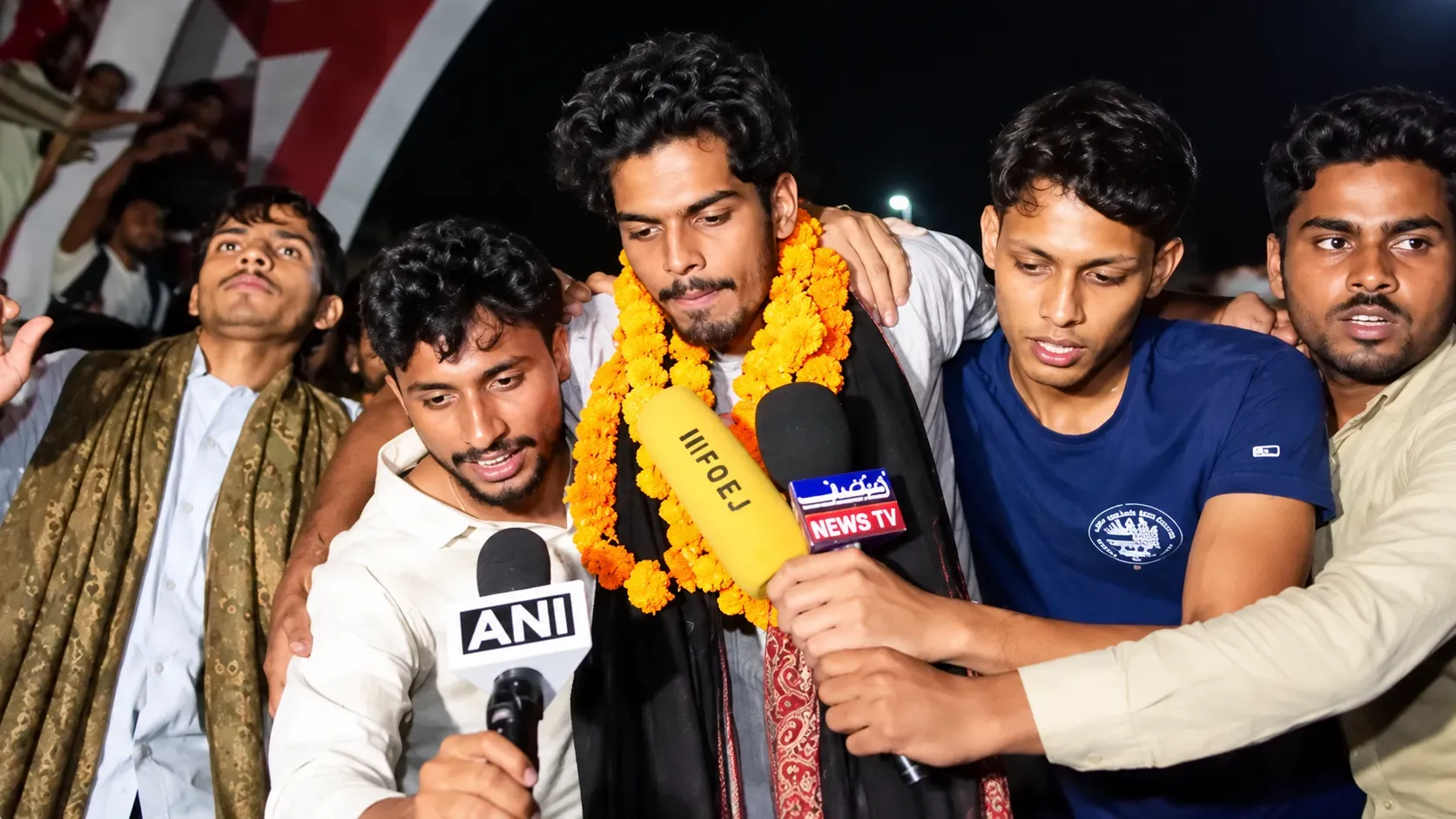
The announcement came on the university’s 106th Foundation Day and immediately brought an end to an 18-day protest that included a hunger strike by several students. Celebrations broke out on campus as news of the order spread.
The students’ union at Jamia has remained dissolved since 2006. The last elections were held in 2005. For two decades, students had only subject associations and no elected central body to represent their concerns on issues ranging from academic decisions to campus facilities.
Protests intensified in October when students insisted on a time-bound roadmap rather than open-ended assurances. Five students began an indefinite hunger strike. Among them, Ebin Basil stayed on the strike for 18 days and Rehan Mewati for 15 days. Their health had begun to deteriorate by the time the administration responded.
In the official notice, the university also directed that all show-cause notices, suspensions, campus bans and other disciplinary actions linked to the recent agitation be revoked. Classes are set to resume in offline mode from 2 November.
Students who had been at the forefront of the movement described the outcome as a hard-won success. Ebin Basil said the moment would be remembered as a significant chapter in Jamia’s history. Rehan Mewati called it a victory of truth and of the students who refused to give up.
The process will follow the recommendations of the Lyngdoh Committee, which lays down guidelines for student elections in universities across the country. Once the constitution is approved, the university will notify the election schedule accordingly.
For current students, the decision means the chance to elect representatives who can raise issues of hostels, fees, curriculum and campus safety through an official body. For parents and incoming students, it signals that Jamia is moving towards restoring a long-missing democratic space. Teachers and administrators will now have a structured channel for dialogue with the student community after years of working without one.
The road ahead still involves drafting and approving the constitution in the months to come. Yet the clear deadline has shifted the conversation from whether elections will happen to when and how they will be conducted.
Campus life at Jamia is expected to return to normal in the coming days, but the demand for an elected students’ union has finally secured a concrete commitment after more than twenty years.
Jamia Millia Islamia Fixes May 15, 2027 Deadline for Student Union Constitution After Prolonged Student Protest
Palak Patel30 Oct 2026
Written by
Palak PatelEducation writer Palak Patel covers the latest education news, board exam updates, results, and career opportunities.