
IIT Bombay Faces Scrutiny After Student’s Death on Campus
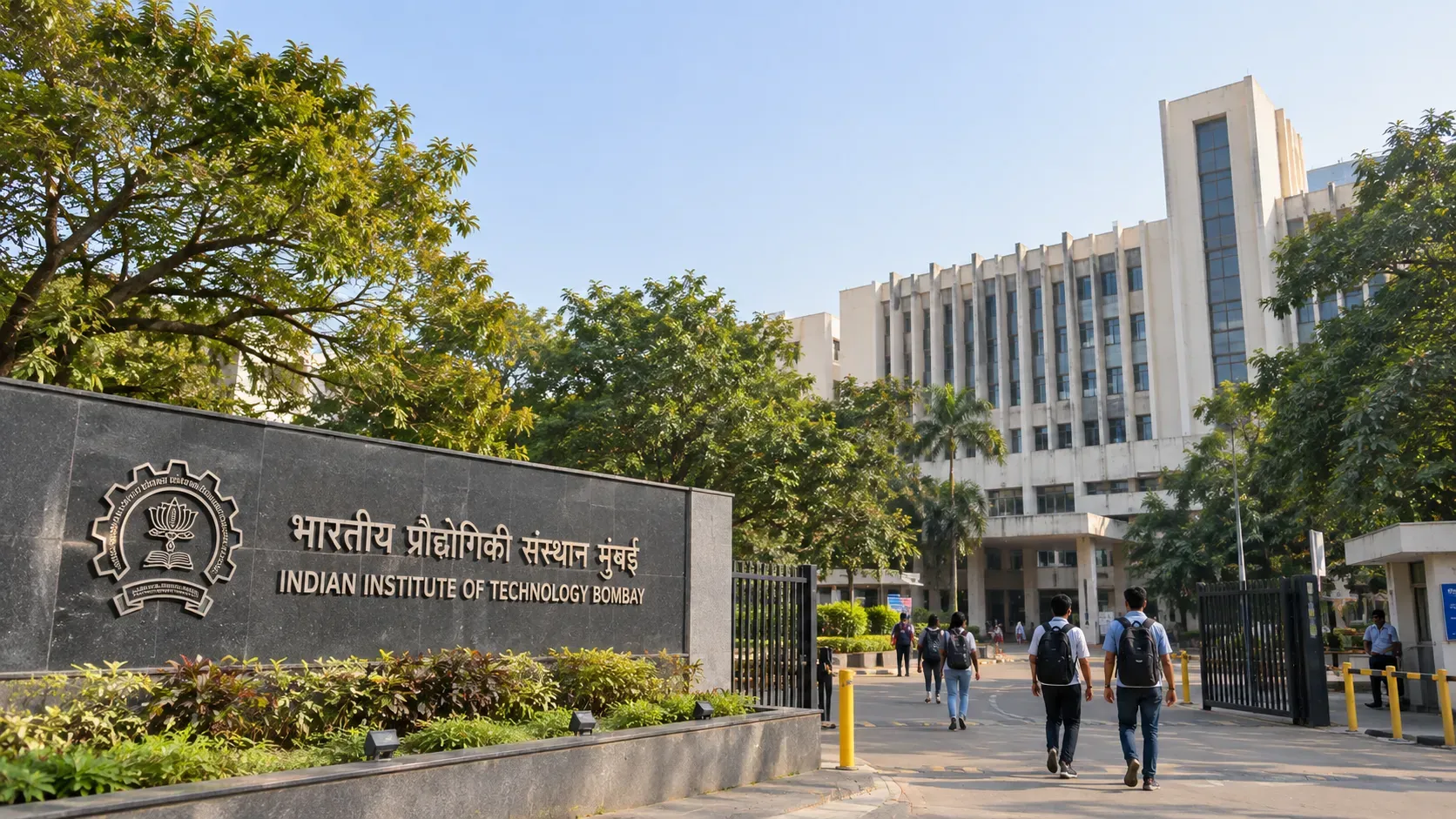
The sudden death of a second-year BTech student at IIT Bombay has shaken the campus and drawn national attention to the pressures students face in elite institutions. Sahil Ravindra Wakode, 22, from the Department of Energy Science and Engineering, was found dead in his hostel room on 18 September. What began as a quiet tragedy quickly grew into a larger conversation about examination rules, institutional response and student wellbeing. According to the sequence pieced together by investigators, Wakode was appearing for a mid-semester examination that day. He was questioned during the test after being found in possession of a mobile phone. He left the examination hall in the early afternoon and returned to his hostel room. He was found dead later that evening. Mumbai Crime Branch teams are examining CCTV footage from the exam hall, campus pathways and hostel to reconstruct his final hours. No suicide note has been recovered so far. Wakode’s family has alleged that he faced prolonged harassment and caste-based discrimination on campus. On the basis of their complaint, police registered a case of abetment to suicide along with provisions of the Scheduled Castes and Scheduled Tribes (Prevention of Atrocities) Act. The family has sought a thorough probe and action against those they hold responsible. IIT Bombay initially issued a statement describing the examination incident. The institute later apologised, stating that it was inappropriate to characterise events before the investigation had established the full facts. Professor Suryanarayana Doolla, who was invigilating the examination and was named in the family’s complaint, was first relieved of his position as Dean of Administrative Affairs. He has since been placed on leave. The institute has constituted a 10-member panel, headed by an external academic, to examine the circumstances and submit a report within a week. Students responded with sustained protests. After days of demonstrations, the director signed an 18-point charter covering an independent inquiry, improvements in grievance redressal, stronger counselling services and greater transparency in disciplinary processes. Faculty members have also spoken up, with the Faculty Forum emphasising the need for a fair and unbiased investigation while noting that the professor remains a member of the teaching staff. Alumni groups have similarly called for a speedy, evidence-based probe free from speculation. This is not the first time IIT Bombay has faced questions about student deaths. The campus has reported multiple such incidents in recent months, reflecting a wider pattern seen across several IITs. National data on student suicides in these institutes shows the problem cuts across categories and underlines the intensity of academic and personal pressures many young people experience. Campus life at the IITs is known for its high standards and demanding schedule. For many students and their parents, the current developments raise practical questions about how quickly support reaches those who are struggling, how examination-related issues are handled, and whether counselling and peer networks are robust enough. Teachers and administrators are also watching the probe closely, as it may influence how academic integrity rules are applied and how sensitive situations are managed in future. The Crime Branch continues its work, questioning those connected with the events of 18 September and reviewing digital and video evidence. The institute’s internal panel is expected to submit its findings soon. Meanwhile, the focus on campus has shifted toward strengthening mental health resources and ensuring that any process that follows remains fair to all involved. For students preparing for competitive exams or already navigating life in premier institutes, the episode serves as a reminder of the human cost that can accompany intense academic environments. Parents and teachers across the country are likely to follow the outcomes of both the police investigation and the institutional review with close interest.
Written by
Palak PatelEducation writer Palak Patel covers the latest education news, board exam updates, results, and career opportunities.