
IIIT Delhi Faculty Shares Long Experience of No Caste Discrimination by Teachers in IIT System
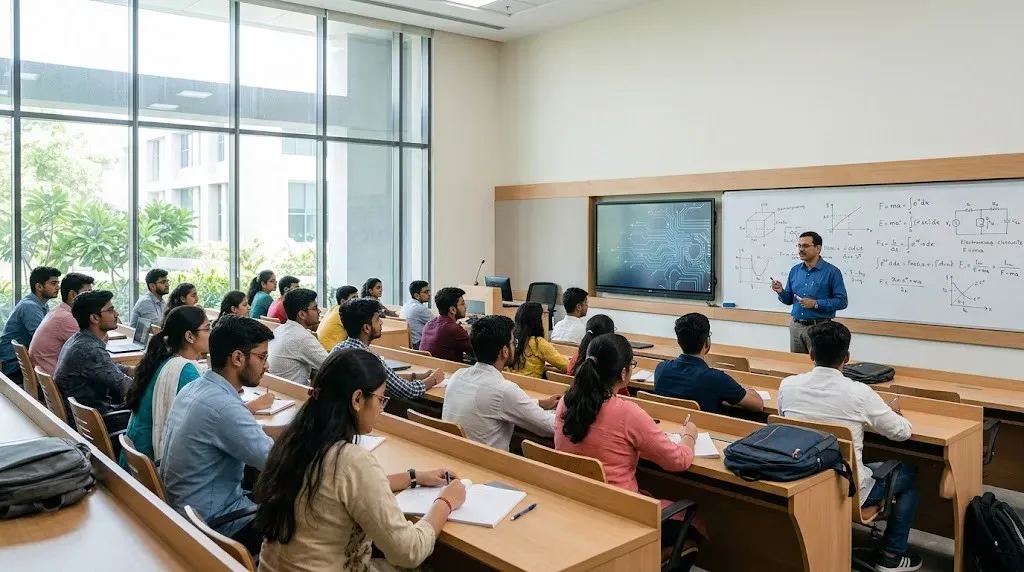
An IIIT Delhi professor with deep roots in the Indian Institutes of Technology has publicly shared his observations on caste dynamics inside these campuses. Pravesh Biyani, who teaches at the Indraprastha Institute of Information Technology Delhi, wrote that in 22 years of close association with the IIT and IIIT system he has never once seen a teacher discriminate against a student on the basis of caste. Biyani completed his B.Tech from IIT Bombay and his PhD from IIT Delhi. He has now been a professor for 14 years. In a detailed post on X, he described his student days and his years as a teacher. During his time as a student, he said, most people in his batch had little idea about the caste backgrounds of their classmates. Many of his close friends belonged to SC and ST categories, yet the subject never came up in conversations or decisions. He noted that exposure to certain ideas from the humanities was limited then. As a teacher today, Biyani explained that he often does not even know the names of students in large classes of 300 or more. He said he does not ask for a student’s name before answering a doubt and treats everyone the same. According to him, the same approach is followed by colleagues he knows and by the professors who taught him. He argued that social media has created a sense of grievance among some vulnerable students about caste discrimination that, in his own experience, does not match the reality of these technical institutions. The statement has drawn significant attention online, with thousands of likes and shares. It adds one faculty voice to the ongoing public conversation about campus life at India’s premier engineering institutes. Students preparing for JEE, their parents, and teachers often look for clear accounts of what daily life and teaching practices actually look like on these campuses. Biyani’s remarks focus on the teacher-student relationship and classroom interaction. He presents them as personal observations drawn from years spent studying and teaching within the system. For education aspirants, such firsthand accounts from faculty help fill in the picture beyond entrance exam results and rankings. They offer a glimpse into how professors say they approach students in large lecture halls and daily academic work.
Written by
Palak PatelEducation writer Palak Patel covers the latest education news, board exam updates, results, and career opportunities.