
Circulating Video Raises Questions About Political Links in CJP’s Jantar Mantar Protest
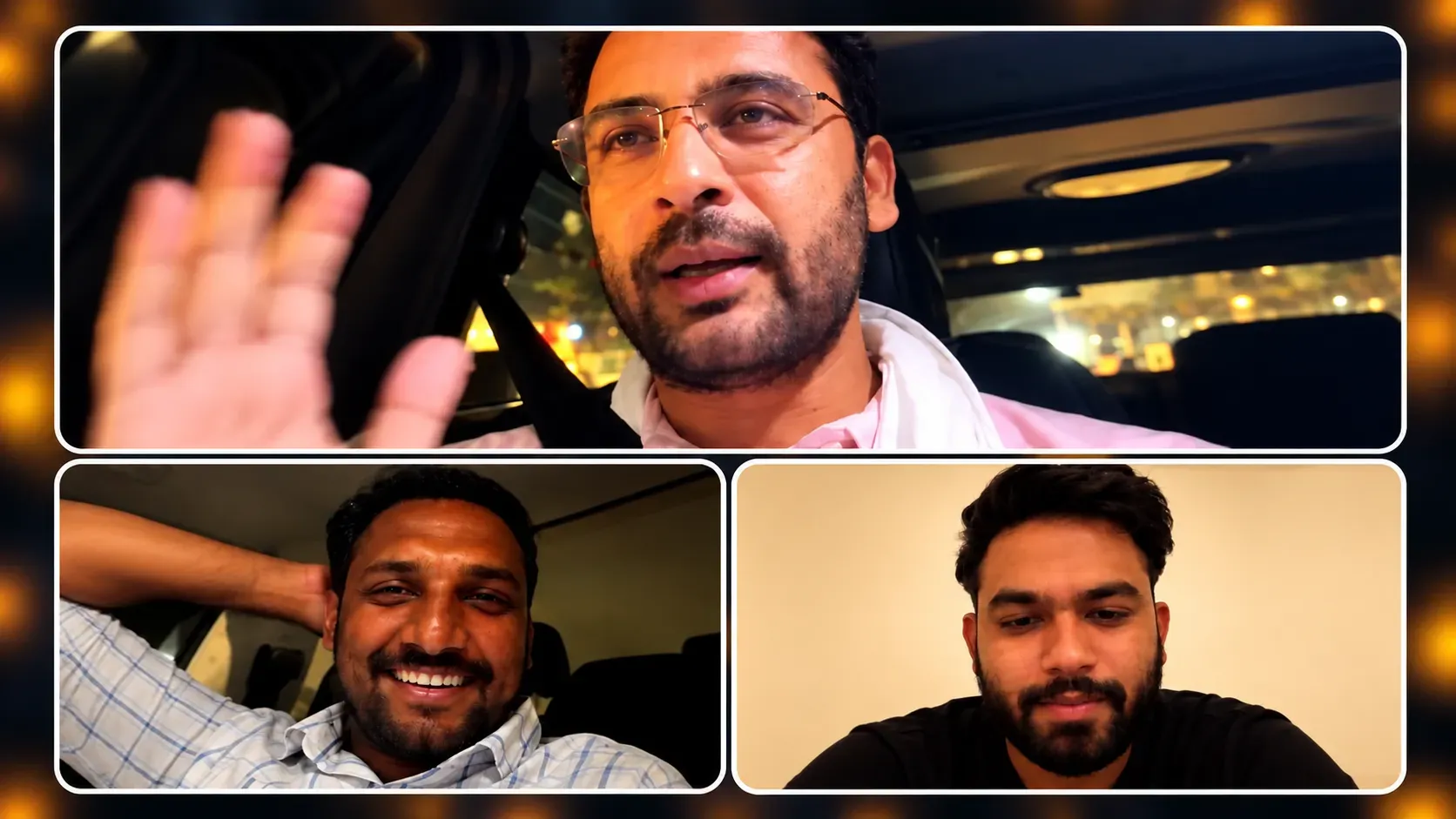
A video circulating widely on social media since Saturday shows participants in a three-person call discussing the organisation of the Cockroach Janta Party protests at Delhi’s Jantar Mantar earlier this year. According to the clip and posts sharing it, the conversation refers to AAP Maharashtra leader Ajinkya Shinde (also spelled Sinde in some reports) as having planned key aspects of the protest, with the Aam Aadmi Party handling stage and backstage activities. Abhijeet Dipke and Ashutosh Ranka are described in the discussion as having been on stage mainly for “masti.” The video, posted by accounts including Megh Updates, has drawn strong reactions online. CJP founder Abhijeet Dipke, who previously worked as a social media strategist with the Aam Aadmi Party, and co-convener Ashutosh Ranka appear among those associated with the call. Ajinkya Shinde currently serves as CJP’s national organisation in-charge and has a documented past role with the AAP Youth Wing in Maharashtra. The Cockroach Janta Party began in mid-May 2026 as a satirical online response to remarks by the Chief Justice of India comparing certain unemployed youth to cockroaches. It quickly grew into a larger campaign focused on repeated exam irregularities, including the NEET-UG paper leak, and broader concerns about the National Testing Agency and recruitment processes. Protests at Jantar Mantar started in early June after Dipke returned from the United States. The agitation continued for weeks, drawing students, parents and young professionals, and contributed to the resignation of Union Education Minister Dharmendra Pradhan on 25 July 2026. Earlier reports had already noted that several CJP office-bearers, including roughly half of its core team at one point, had past associations with the Aam Aadmi Party. Dipke has previously described the movement as independent and not aligned with any political party. AAP leaders had publicly supported the protests at different stages. No mainstream independent verification of the specific claims made in the latest video call has appeared as of Sunday morning, and the clip itself remains the primary source of the current discussion. For many students and parents who joined or followed the Jantar Mantar sit-in, the protests represented a rare moment of sustained pressure that forced attention onto paper leaks, exam transparency and the impact of irregularities on careers. The resignation of the education minister was widely seen as a direct outcome of that pressure. Questions about the organisational backing behind the campaign now risk shifting focus from the core education issues that brought thousands to the streets. CJP has since formalised a national working committee and stated it intends to function as a pressure group on education reforms and student concerns rather than enter electoral politics. It has continued to engage with local issues, including recent support for MPSC aspirants in Maharashtra. How the movement responds to the fresh scrutiny over its early organisational structure will likely shape the trust it holds among the young people who first responded to its call. The conversation triggered by the video arrives months after the main protests ended. It serves as a reminder that large student mobilisations around exam integrity and accountability often attract political interest even when they begin as grassroots responses to genuine grievances.

Written by
Palak PatelEducation writer Palak Patel covers the latest education news, board exam updates, results, and career opportunities.