
Shashi Tharoor’s Los Angeles Health Check Triggers Fresh Questions on India’s Priorities
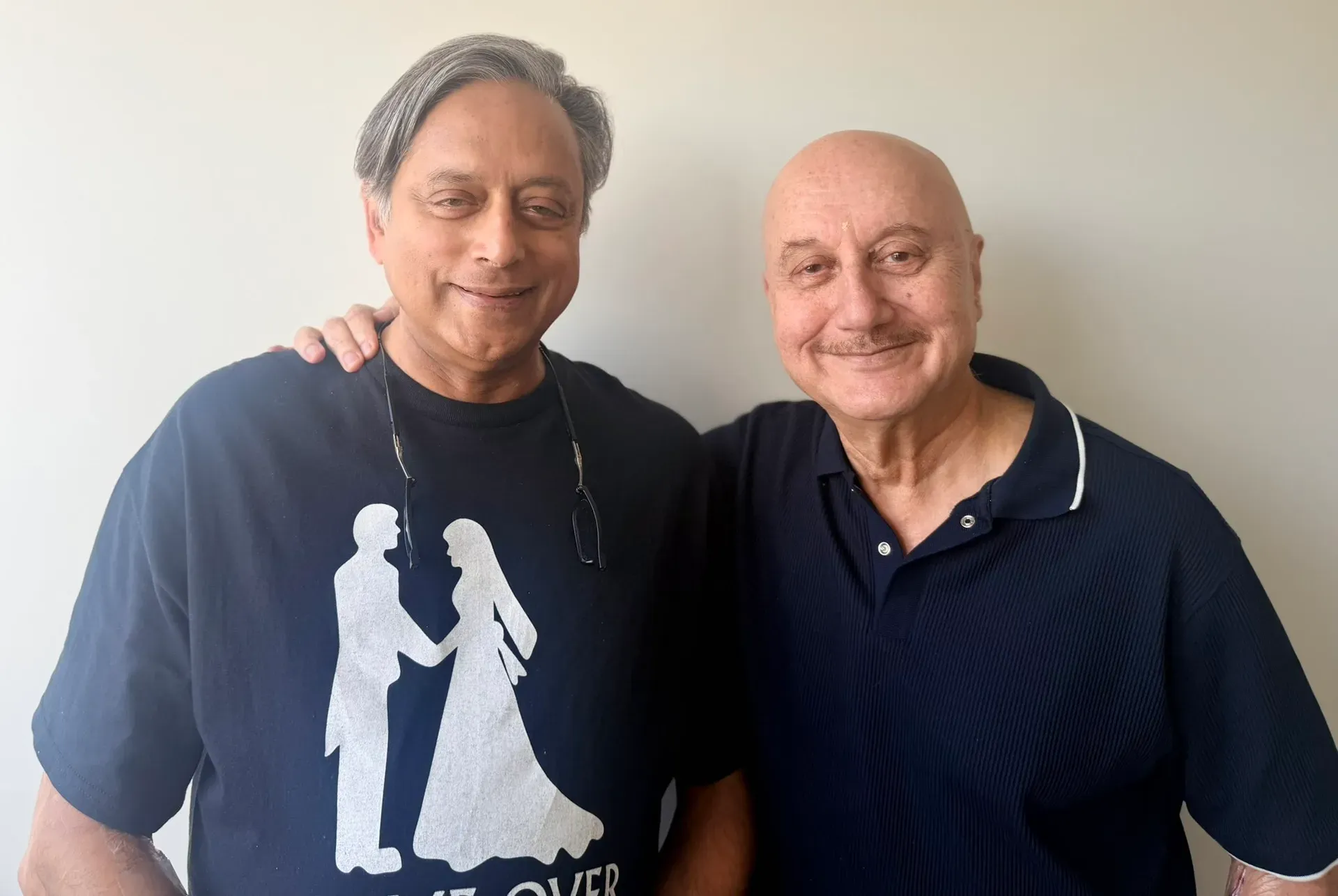
Congress MP Shashi Tharoor found himself at the centre of a lively online discussion this week after sharing that he underwent a full-body scan at a Beverly Hills medical imaging clinic during his recent trip to California. Actor Anupam Kher was also there for a similar check-up, and the two ran into each other at the facility run by Indian entrepreneur Puneet Chandak.
A Bengaluru-based cardiologist quickly pointed out what he saw as irony. In a post that gained wide attention, the doctor noted that one Congress leader and one strong BJP supporter had both chosen health checks in the United States after years of involvement in Indian public life. The comment struck a chord with many who follow debates on the state of services at home.
Tharoor responded directly on X. He explained that finding a free four-hour window for such comprehensive tests is often easier while travelling abroad than in India. He also made clear that Chandak, a former Delhi resident, had invited both him and Kher as guests. Tharoor described the clinic as offering every type of scan on the latest equipment under one roof, all completed in under four hours. He thanked the owners, calling the Chandaks a gracious couple who also run a well-known restaurant in Beverly Hills.
The episode comes as Tharoor wrapped up a series of appearances linked to the Jaipur Literature Festival’s Los Angeles edition. While the medical visit itself was private and by invitation, the public reaction quickly moved beyond the individuals involved.
Many online voices used the moment to talk about longer waiting times, uneven access to advanced diagnostic equipment, and the overall pressure on public health facilities across the country. Similar concerns frequently surface around schools, colleges, and teacher training programmes. Parents juggling children’s education and family medical needs often feel the strain most directly. Students preparing for competitive exams or considering careers in medicine and teaching watch these discussions closely, wondering what kind of systems they will inherit or help build.
Tharoor’s clarification focused on practical scheduling and the personal invitation rather than any larger policy statement. Still, the exchange has kept attention on a familiar theme: the gap between the quality of specialised services available in certain private or overseas settings and the everyday experience of millions of Indians. For families investing heavily in their children’s schooling and health, these conversations feel less abstract and more connected to real choices about where the next generation can thrive without looking elsewhere.
The discussion continues across social media, with people weighing personal convenience against public expectations of leaders. What remains clear is that moments like this keep the focus on the need for stronger, more accessible facilities in both healthcare and education so that fewer people feel compelled to seek advanced care or opportunities outside the country.
Written by
MonishMonish is an education writer covering exams, student rights, academic awareness, and other education-related topics, with practical guidance for students.