
UPSC Chairman Shares How Tech is Shortening Civil Services Exam Cycles
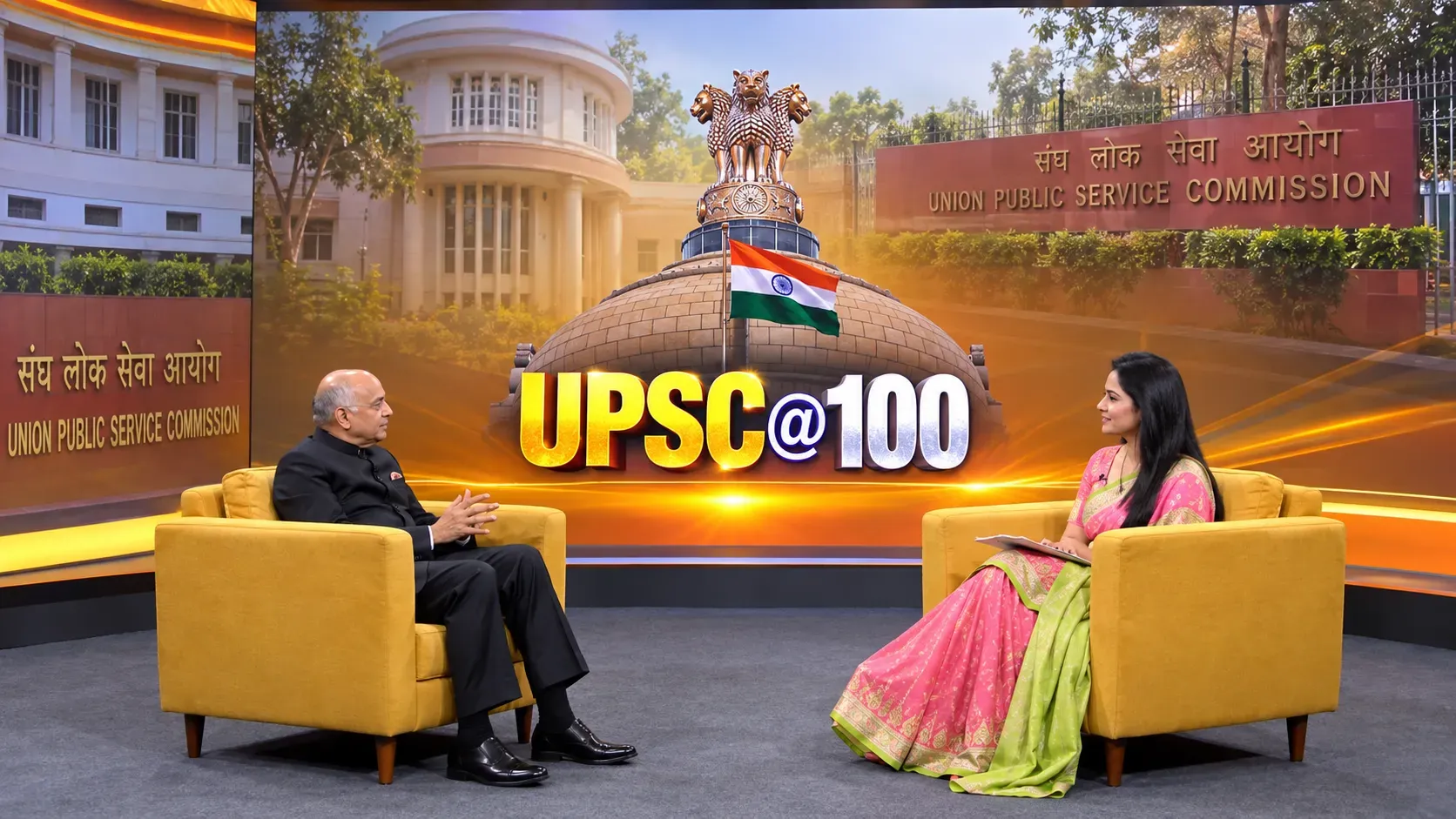
New Delhi: For years, civil services aspirants have lived with long stretches of uncertainty after the final interviews. That wait has shortened. Union Public Service Commission Chairman Dr Ajay Kumar has pointed to technology-driven changes that brought the Civil Services Examination cycle down to 282 days, with the latest results announced in March.
Speaking in an interaction aired by DD News, Dr Kumar noted that results once typically arrived in May or June. This time the Commission completed the process earlier. He linked the improvement to a combination of digital applications, better data handling and AI tools that speed up document checks.
The Commission conducts nearly 250 recruitment examinations every year. Managing that volume has long created delays and occasional backlogs. According to the Chairman, the team has now cleared a backlog that had built up over one-and-a-half to two years. No recruitment backlog remains at present, he said.
A key part of the shift is the move to fully digital applications. Candidates register once and their basic details stay in the system. For later exams they only need to add exam-specific information. This knowledge-management approach cuts repeated form-filling and reduces processing time for the Commission.
Document verification has also changed. Scanned certificates and supporting papers are now read with AI-based optical character recognition. The tool helps evaluate large volumes of uploads faster and more consistently than purely manual checking. Dr Kumar described this as one of the practical steps that has shortened the overall timeline.
These changes come as the UPSC marks 100 years. The focus remains on keeping the process fair while making it more efficient. The faster results also provide selected candidates a clearer timeline to train and join. There is an earlier clarity for those who miss the list to plan their next attempt or other options.
For parents and teachers guiding aspirants, the shorter cycle reduces the long period of waiting that often affects family decisions and study schedules. Aspirants still face a demanding multi-stage exam, but the administrative lag after the personality test has been trimmed.
The Commission continues to expand digital tools across its work. The combination of reusable candidate data, AI-assisted document processing and tighter process management has already produced a measurable difference in one of India’s most watched examinations.
Written by
Palak PatelEducation writer Palak Patel covers the latest education news, board exam updates, results, and career opportunities.