
Poor Facilities in Nandurbar Tribal Ashram Schools Spark Fresh Concern
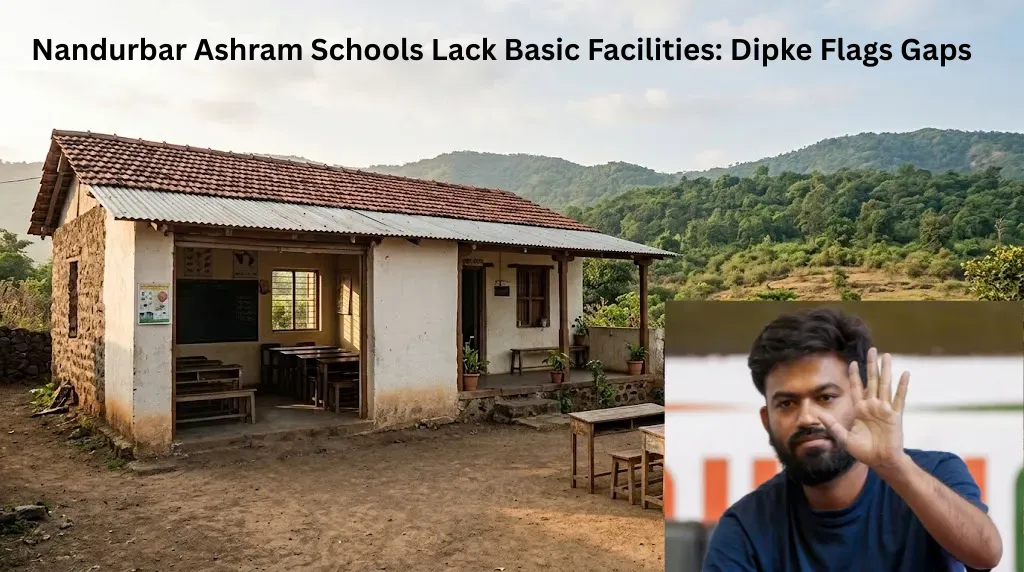
In the remote tribal belts of Nandurbar district, ashram schools that house and educate children from Adivasi communities continue to struggle with the most basic needs. Cockroach Janta Party founder Abhijeet Dipke visited several of these residential schools this week and described conditions that leave many students without reliable drinking water, electricity or proper safety measures. Dipke, who has been touring government and ashram schools under his ongoing School Thik Karo effort, said the children he met still sleep on the floor in some places. He pointed out the absence of a compound wall at one school, noting that girls studying there feel unsafe. According to his statement, more than 600 girls are enrolled at the institution he was visiting, yet no sanitation worker is employed. Food quality was another concern he raised, describing meals as often undercooked. These residential schools play a critical role for tribal families. Many children come from distant villages and stay on campus for the academic year. When water, power, toilets and boundary walls are missing or inadequate, daily life becomes harder. Teachers and staff work under the same constraints, and parents who send their children with the hope of a steady education are left worried about health and security. Dipke has urged the state government to give special attention to all tribal ashram schools. He said these children deserve the same standard of facilities available in urban centres such as Mumbai, Delhi and Pune. His visits form part of a wider campaign that began earlier this year, during which he has inspected schools across several Maharashtra districts and highlighted similar gaps in infrastructure and mid-day meal arrangements. Ashram schools have long been an important part of tribal education policy in Maharashtra. They aim to provide free boarding, lodging and schooling so that distance and economic pressure do not stop children from studying. Yet reports of crumbling facilities surface regularly. When electricity is irregular, evening study becomes difficult. When drinking water is scarce, health risks rise. When sanitation is poor and walls are missing, the sense of security that every parent and teacher wants for students is compromised. Local education officials and the tribal development department have faced repeated calls to audit and upgrade these institutions. In some earlier cases linked to Dipke’s campaign, local bodies began repair work after deficiencies were publicly flagged. Whether similar action follows in Nandurbar remains to be seen. For the students who live and learn in these schools every day, the difference between a functioning campus and a neglected one is not abstract. It shapes attendance, concentration, health and the simple dignity of growing up with basic comforts. Parents in tribal areas often have limited options. Many depend on ashram schools because private alternatives are either unavailable or unaffordable. Teachers posted to these remote locations already deal with staffing shortages and logistical challenges. Clear accountability, regular maintenance budgets and transparent monitoring can make a measurable difference. Until those systems work consistently, the gap between policy promises and the lived experience of children in places like Nandurbar will remain visible. The conversation Dipke has started is not new, but the specific details from these recent visits keep the focus on practical needs rather than slogans. Reliable water, electricity, clean toilets, safe boundaries and nutritious food are not extras. They form the foundation that allows teaching and learning to take place. For the thousands of tribal students who rely on Maharashtra’s ashram school network, those foundations still need steady attention.

Written by
Palak PatelEducation writer Palak Patel covers the latest education news, board exam updates, results, and career opportunities.