
New Campaign Aims to Fix Schools Serving Tribal Children
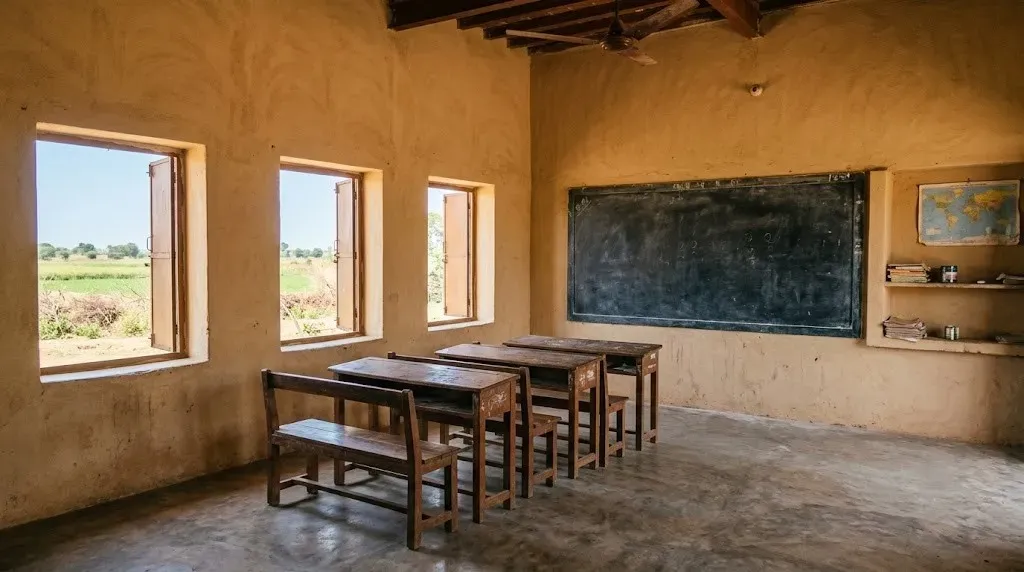
In Nagpur on Wednesday, Abhijeet Dipke of the Cockroach Janta Party announced a new campaign called Adivasi School Thik Karo. The effort will begin in Gadchiroli district of Maharashtra and focus on government schools serving tribal communities. Dipke said many schools in these areas still lack basic facilities even decades after Independence. Classrooms, toilets, drinking water, electricity and teaching materials are often inadequate, according to the announcement. The campaign urges volunteers, educationists and social activists to join in documenting conditions and pressing for improvements so that every tribal child receives quality and dignified education. This builds on the earlier School Thik Karo drive that the group started on Independence Day. That initiative encouraged parents and local residents to check rural government schools for essentials such as safe water, functional toilets, seating and electricity. Some schools that came under the spotlight later received benches, repairs or other upgrades after community attention. Ashutosh Ranka, associated with the group, described the new focus as part of a larger mobilisation for tribal communities. He stressed that tribal children deserve better schools and that the effort should not be stopped. For students in remote Adivasi areas, the practical difference lies in everyday learning conditions. A clean toilet, a proper desk, drinking water and working lights can shape whether a child stays in school and learns effectively. Parents in these regions often face limited choices, relying on the nearest government or ashram school. Teachers working in such settings frequently deal with shortages of both infrastructure and staff, which affects classroom time and motivation. Organisers have framed the campaign as a community-driven process rather than a purely political one. They plan to visit schools, record gaps and involve local stakeholders. Whether it leads to sustained changes will depend on how authorities and communities respond on the ground. Similar citizen audits in recent weeks have already drawn attention to conditions in several states. The new tribal-focused phase aims to bring that attention specifically to areas where educational access has historically lagged. For education aspirants and families in these belts, any improvement in school quality could expand opportunities that remain out of reach for many. The campaign is still at the announcement stage. Its success will be measured by concrete improvements in the schools it targets rather than statements alone.
Written by
Palak PatelEducation writer Palak Patel covers the latest education news, board exam updates, results, and career opportunities.