
Fresh Sparks Fly in Merit and Reservation Debate After Dipke’s Coaching Comments
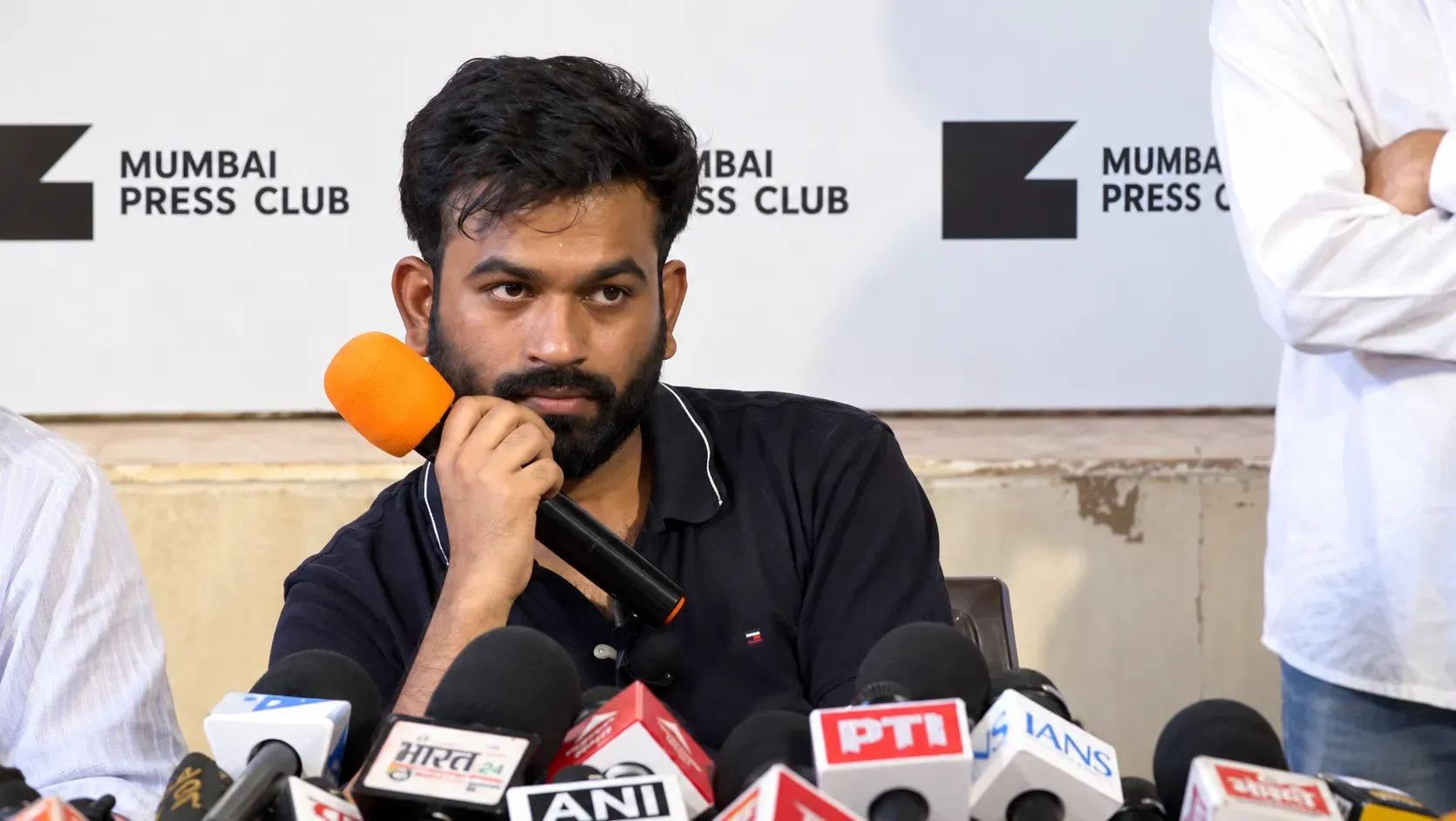
Cockroach Janta Party founder Abhijit Dipke responding to a question about general category students scoring 90 percent yet remaining without seats has gone viral, prompting strong reactions across social media. In the clip, Dipke asks how such marks are achieved and points to coaching, educated parents and expensive schools as factors.
Education activist and Dharma Party founder Anuradha Tiwari shared the clip with a pointed remark. She said the person who does not know the definition of merit was protesting for fair education and called the stance absolute clownery. The exchange has once again placed the long standing tension between merit and caste based reservations at the centre of public conversation.
Dipke has earlier spoken in support of reservations. He has argued that providing education opportunities to underprivileged children is not wrong and has repeatedly called for increasing the overall number of seats in colleges and schools rather than treating quotas as the sole reason for reduced openings in the general category. He has also questioned management quota seats that allow admission through payment.
The comments touch a raw nerve for many families. Coaching has become almost compulsory for entrance exams in medicine, engineering and other fields. Annual fees for popular programmes often run into lakhs of rupees, putting pressure on middle class households. Students from homes without such support frequently feel the gap is structural. At the same time, those who clear high cut offs in the general category argue that hard work and consistent performance should not be discounted because of background advantages.
Limited seats remain a core problem. Premier institutions and professional courses simply do not expand fast enough to match the number of aspirants. This scarcity turns every percentage point into a high stakes contest and keeps the merit versus reservation argument alive year after year. Parents watch their children spend long hours in coaching centres, take education loans and still face uncertainty at the admission stage.
Tiwari has consistently pushed for reforms under the banner of one family one reservation. Her view reflects a section of opinion that believes the current system needs limits so that benefits reach the truly needy and do not become permanent across generations. Dipke’s position, rooted in his own family’s experience with reservation, emphasises continued access for disadvantaged groups while demanding broader expansion of educational infrastructure.
The debate is not new, yet the latest exchange arrives at a time when students are already dealing with high competition, rising costs and questions about exam integrity. For young aspirants preparing for the next cycle of entrance tests, the conversation underlines how deeply background, resources and policy shape outcomes.Teachers and parents are still navigating the same pressures, trying to balance encouragement of individual effort with the realities of unequal starting points. It remains to be seen whether the discussion translates into practical steps such as more seats, better regulation of coaching fees or clearer policy on quotas. For now, it has put back in the limelight what fair access to education should look like in a country where demand far exceeds supply.
Written by
Palak PatelEducation writer Palak Patel covers the latest education news, board exam updates, results, and career opportunities.