
Expert Urges Opposition to Prioritise Real Education Debates
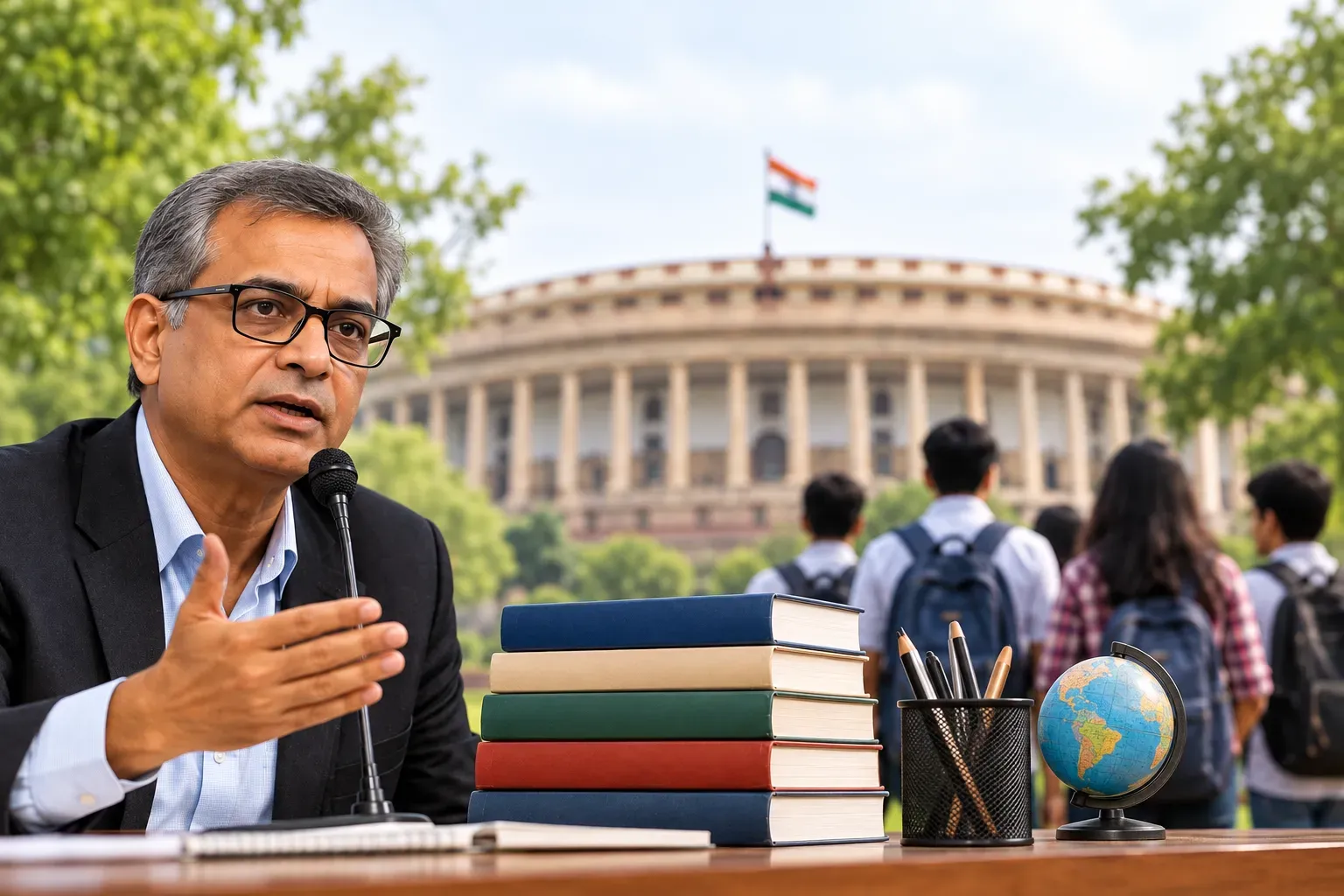
In a recent discussion on a Times of India platform, political commentator Anand Ranganathan offered clear advice to Rahul Gandhi and the wider Opposition. If they want to challenge the government effectively, he said, they should stop relying on theatrics and instead build stronger, more detailed arguments on real issues. Education featured prominently on his list, alongside agriculture, jobs and economic reforms. Ranganathan’s message was straightforward. The Opposition has no shortage of subjects worth raising. What is missing, according to him, are sharper policy positions that can properly hold the government to account on substance rather than spectacle. This comes at a time when education has already been in the spotlight through Rahul Gandhi’s own outreach. In recent student-focused programmes, including the latest edition of Chhatron Ki Goonj held in Indore, concerns around the pressures of the examination system, recruitment delays, quality of schooling and the gap between education and employment have been aired repeatedly. Students and young aspirants continue to speak about stress, limited opportunities and the need for better public education. Ranganathan’s point is that these are precisely the kinds of issues that deserve sustained, well-argued attention. Raising them with clearer policy alternatives, he suggested, would allow the Opposition to corner the government more effectively than dramatic moments that grab attention for a day and then fade. For teachers, parents and students preparing for competitive exams or waiting for recruitment results, the difference matters. When political conversations stay on the surface, the deeper problems in classrooms, coaching centres, universities and the job market often remain unaddressed. A stronger focus on policy could push discussions towards practical questions: how to reduce the burden of high-stakes testing, how to improve learning outcomes, how to link education more closely with employment, and how to strengthen public institutions that still serve the majority of Indian students. Ranganathan also linked the advice to the need for better strategic thinking within the Opposition ranks, including a call to review the team of advisors shaping the approach. His overall argument remains consistent: substance lasts longer than theatrics, and education is one of the areas where serious policy work could make a real difference. Whether this advice influences the tone of future debates remains to be seen. What is already clear is that students, parents and educators are watching closely. They want more than political performances. They want workable answers to the problems that shape their daily lives and future prospects. A sharper, more policy-driven conversation on education would be a step in that direction.
Written by
Palak PatelEducation writer Palak Patel covers the latest education news, board exam updates, results, and career opportunities.