
Bihar’s Teachers Keep Pushing for Full 7th Pay Commission Benefits - A Story of Dignity, Not Just Numbers
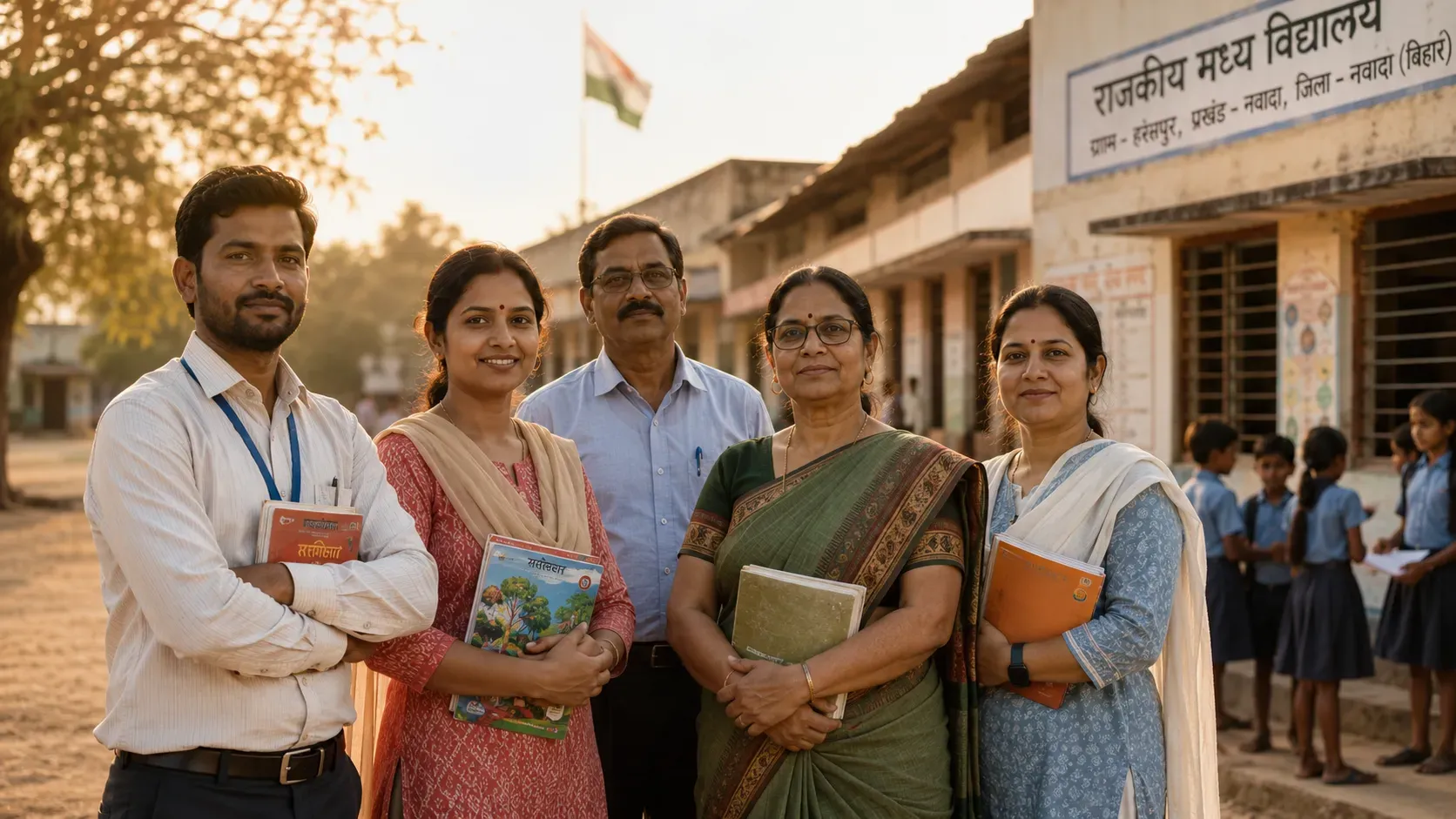
In the classrooms of Bihar, teachers continue their quiet but determined fight for what they call their “wajib haq” - rightful dues under the 7th Pay Commission. For many of the state’s roughly 5.5 lakh teachers who hold rajyakarmi (state employee) status, this is not abstract policy. It is about whether years of service translate into economic security for their families. Just days ago, Anand Kaushal Singh, state president of the Bihar Vishisht Adhyapak Pradhan Shikshak Sangh, publicly appealed to the Chief Minister. He reminded the government that the union had submitted a detailed demand letter three months earlier seeking full pay scales, real fitment matrix benefits, and financial relief for special teachers, school teachers, headmasters, principals, and librarians. No firm policy decision has followed, he said, calling the delay painful.
The campaign has spilled onto social media under the hashtag #BiharTeachersNeed7thPay. Teachers share short videos and personal appeals, tagging political leaders and education officials. One widely circulated clip features educators speaking directly from school corridors and classrooms, asking when their long-pending dues will arrive. The tone is measured but weary - the voice of people who spend their days shaping the next generation while waiting for their own financial footing to stabilize.
This demand sits against a broader backdrop. Bihar has moved many teachers onto state cadre status and improved systems such as linking salary disbursement to attendance and pushing for payment by the first of every month. Dearness allowance for those already under the 7th Pay structure has also seen hikes. Yet for large sections of teachers - especially those who moved from earlier contractual or special categories - the full pay matrix, grade pay, and fitment benefits remain incomplete or unapproved by the finance department in earlier reviews.
New recruits under TRE-4 are being offered starting basic pay in the ₹25,000–₹32,000 range plus allowances, but serving teachers argue that long-service staff deserve the complete revised structure their counterparts in other states received years ago. For a teacher in a rural school or a headmaster managing both administration and teaching, delayed or incomplete pay revision is not a spreadsheet issue. It is the difference between meeting rising household costs, planning children’s education, or managing medical emergencies without constant worry.
Union leaders frame it simply: salary is not just a figure - it is the foundation of a teacher’s family’s economic security and a signal of how seriously the system values the profession.The government has shown responsiveness on other teacher-related fronts, including recent concessions on the TRE-4 recruitment process after aspirant protests. Teachers now hope the same attention will turn to the long-standing pay demand. As one recent social media appeal put it, the pen is their strength and unity is their identity. For Bihar’s education system, resolving this would mean more than higher pay slips - it would mean affirming the everyday dignity of the people who hold the classrooms together.

Written by
MonishMonish is an education writer covering exams, student rights, academic awareness, and other education-related topics, with practical guidance for students.