
How Colleges Misuse Attendance Rules and What Students Can Do About It ?
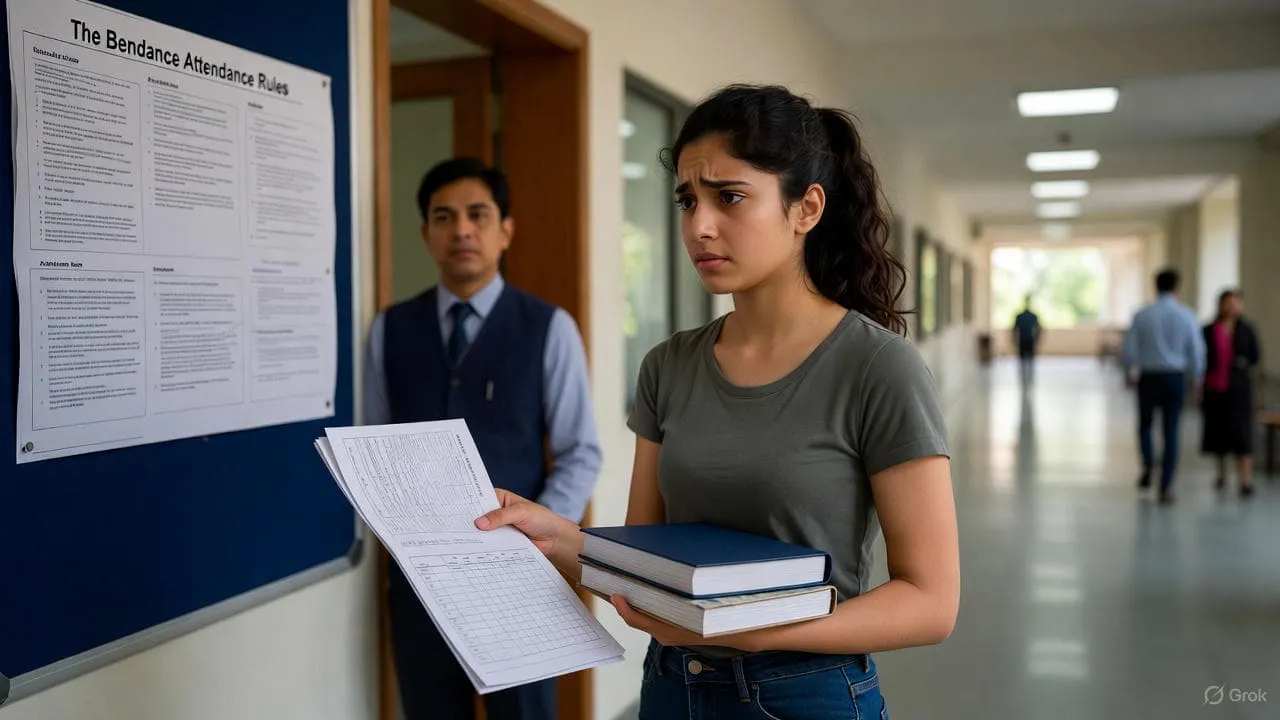
How Do Colleges Misuse Attendance Rules and What Can Students Do About It?
Attendance rules are meant to maintain academic discipline, but many colleges misuse these rules to pressure, threaten, or control students. Students often face exam restrictions or penalties even when they have genuine reasons for low attendance.
Instead of supporting learning, attendance policies are sometimes used as a tool to create fear and force compliance.
How Do Colleges Commonly Misuse Attendance Rules?
Colleges may suddenly enforce strict attendance percentages, deny exam forms, impose fines, or threaten detention. In many cases, medical leaves, internships, or official permissions are ignored while calculating attendance.
Is Minimum Attendance Always Mandatory?
While universities prescribe minimum attendance requirements, colleges must follow UGC and university guidelines. Attendance rules cannot be applied arbitrarily or changed without prior notice to students.
When Does Attendance Enforcement Become Illegal?
Attendance enforcement becomes illegal when students are barred from exams without due process, rules are applied selectively, or attendance is used as punishment for non-academic issues. Such actions violate basic principles of fairness.
What Can Students Do If Attendance Rules Are Misused?
Students should request written attendance records and official policy documents. Maintaining medical certificates and approval letters is essential. If the issue continues, complaints can be filed with the college grievance cell, affiliating university, or regulatory authorities.
In serious cases, students may seek legal remedies through consumer courts or High Courts, where unfair attendance practices have been challenged successfully.
Final Conclusion
Attendance rules should encourage education, not intimidation. Colleges cannot misuse attendance policies to harass or unfairly restrict students. Awareness, documentation, and timely action are the strongest tools students have to protect their rights.

Written by
MonishMonish is an education writer covering exams, student rights, academic awareness, and other education-related topics, with practical guidance for students.