
Delhi Schools and Colleges Drawn into Yamuna Cleanup Awareness Drive
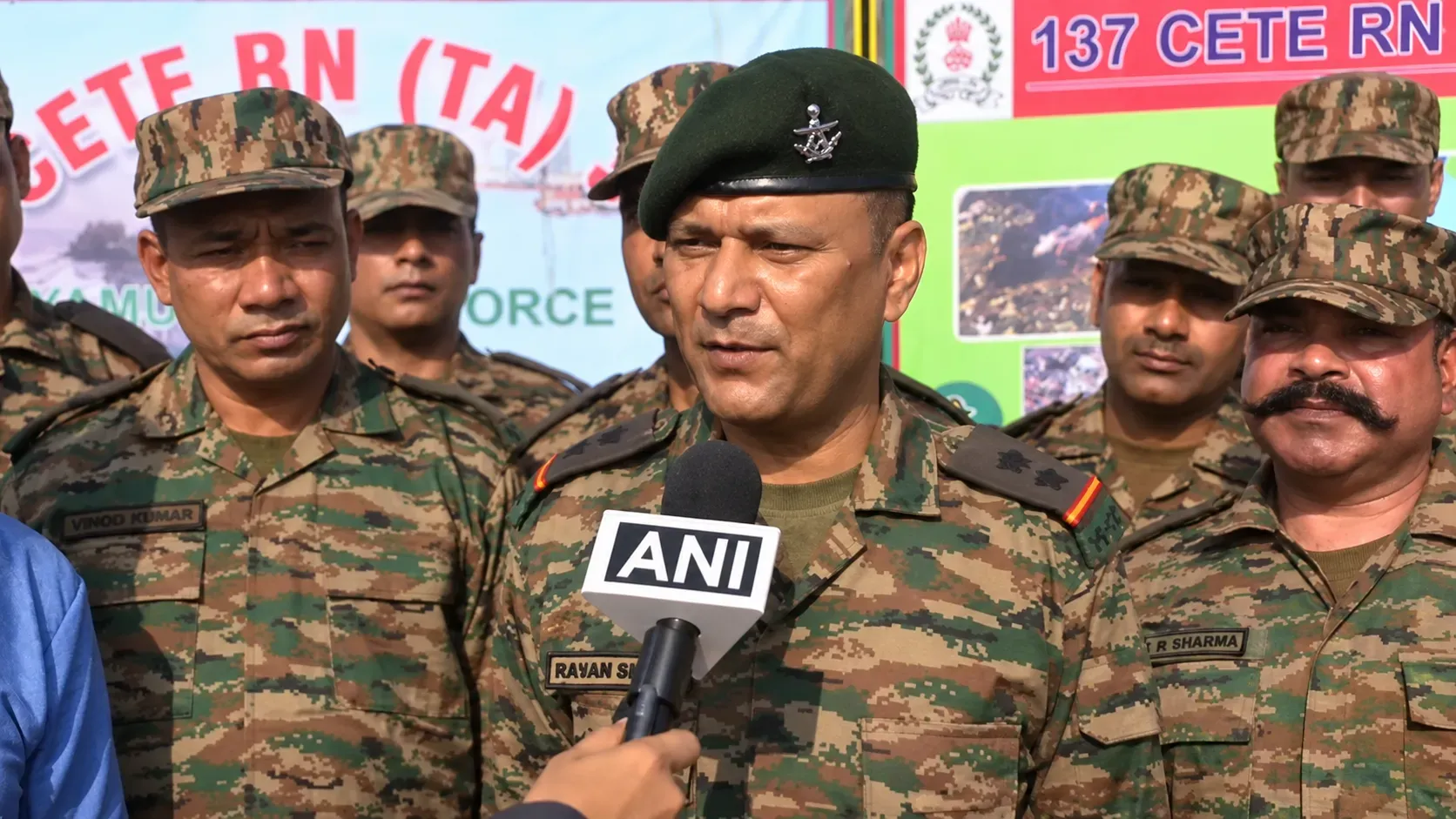
The Yamuna Task Force in Delhi is not just picking up waste along the riverbanks. It is also walking into schools, colleges, markets and neighbourhoods to talk about why the river matters.
Subedar Ratan Singh, who is part of the force, spoke recently about the work. He said the team is out every day, teaming up with different NGOs from across the city for cleanup operations. At the same time they are running awareness campaigns in schools and colleges, as well as in local areas and marketplaces.
Singh put the question simply. What kind of Yamuna do we want to leave for the children growing up now? A dirty, polluted stretch of water, or a river that runs clean? He compared it to looking after one’s own house and street. The same care, he said, should go to Mother Yamuna.
One NGO or one force cannot do it alone, he made clear. Everyone in Delhi has to step in. Only then can the river that flows past the capital stay clean.
The Yamuna Task Force comes under the Territorial Army’s ecological units. Its job covers the roughly 22 km stretch of the river inside Delhi. The men patrol, stop people from throwing rubbish into the water, and try to change everyday habits through talks and campaigns. Working with local NGOs helps them reach more people, especially young ones still in school or college.
For teachers and school heads this kind of outreach is useful. It brings a real local issue into the classroom. Students hear from people who are actually on the river every day. That tends to stick more than a textbook chapter. Parents often get the same message when their children come home talking about it.
Student groups have already started joining in. College students from different institutions in Delhi have taken part in cleanup drives, made pledges and sat down to discuss what can be done. These activities give them something practical to do instead of just listening. Habits formed this way often last longer than a one-day event.
Schools that already run eco-clubs or NSS units can plug into this easily. A short talk by the task force, a classroom discussion, or a voluntary visit to a nearby ghat can make the idea of a cleaner Yamuna feel close and doable. The message coming from the force is straightforward. The river will only improve if ordinary people, including students and their families, take some responsibility. The young people in classrooms today will live with whatever condition the Yamuna is left in. That is why the school visits matter.
Written by
Palak PatelEducation writer Palak Patel covers the latest education news, board exam updates, results, and career opportunities.