
What Should Students Do If a College Refuses to Give Original Documents?
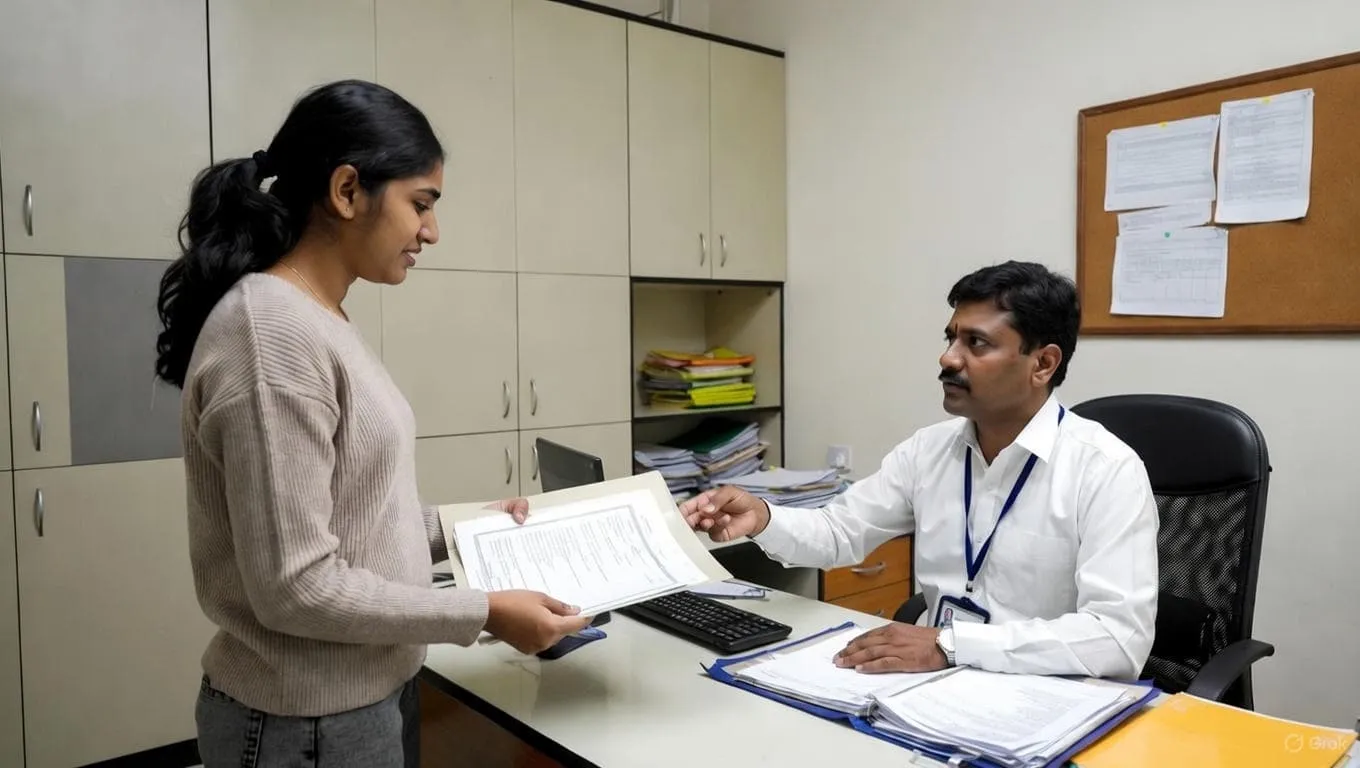
What Should Students Do If a College Refuses to Give Original Documents?
Many students face serious difficulties when a college refuses to return original documents such as mark sheets, transfer certificates, or migration certificates. This usually happens during course withdrawal, fee disputes, or admission cancellation.
While this practice is often presented as “college policy,” students should know that withholding original documents is generally not legal or acceptable.
Why Do Colleges Withhold Original Documents?
Colleges often use original documents as a pressure tactic to recover fees, enforce continuation of a course, or discourage students from leaving. This approach creates fear and puts students at a serious disadvantage.
Is It Legal for Colleges to Keep Original Certificates?
In most cases, no. Regulatory bodies discourage institutions from retaining original certificates as security. These documents belong to the student and cannot be held hostage for fee recovery.
When Does This Practice Become Illegal?
It becomes illegal when documents are withheld without written authority, used to intimidate students, or retained even after formal withdrawal procedures are completed. Such actions violate basic principles of fairness and student rights.
What Can Students Do in This Situation?
Students should first make a written request for their documents and ask the college to cite the policy under which they are being withheld. Maintaining email records and notices is essential.
If the issue is not resolved, students may approach the college grievance cell, the affiliating university, or the UGC grievance portal. In extreme cases, consumer courts or High Courts may provide relief.
Final Conclusion
Colleges should not withhold original documents to control or pressure students. Awareness, documentation, and timely action are the most effective ways for students to protect their rights.

Written by
MonishMonish is an education writer covering exams, student rights, academic awareness, and other education-related topics, with practical guidance for students.