Can Colleges Stop Students from Appearing in Exams and Is It Legal?
Can Colleges Stop Students from Appearing in Exams and Is It Legal?
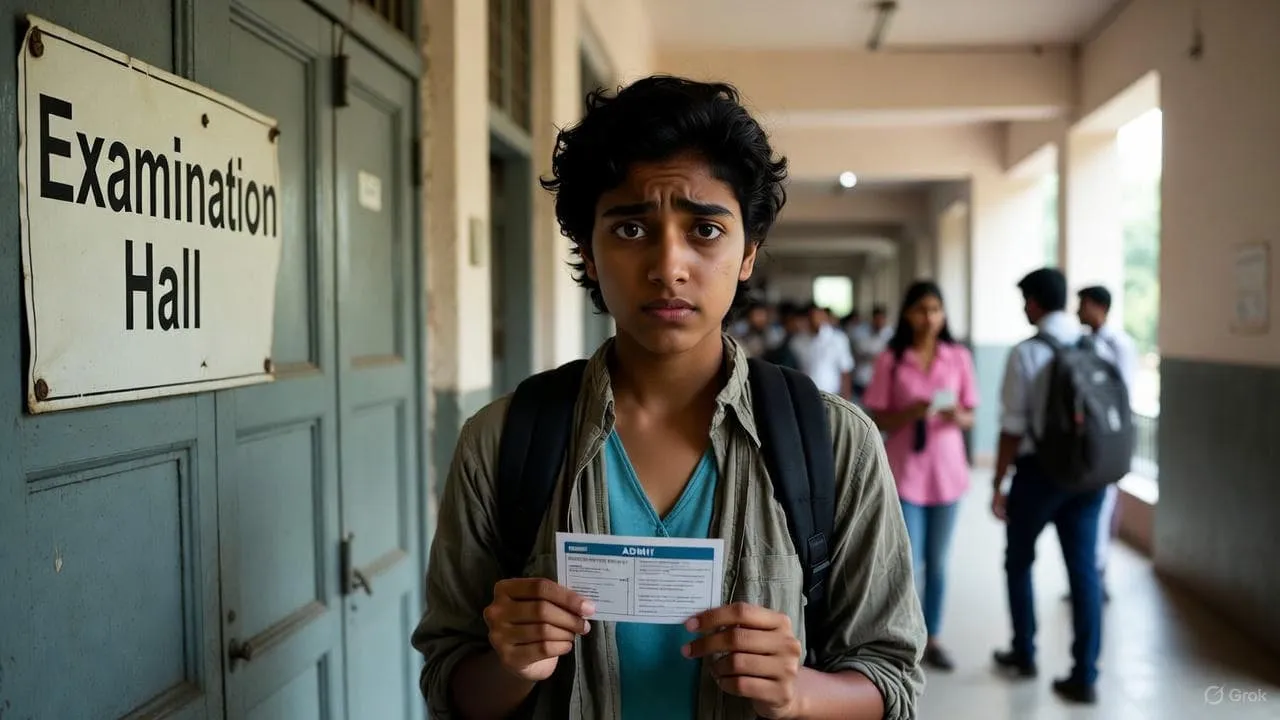
Every examination season brings renewed anxiety for students, particularly those who receive sudden notices stating that they are not permitted to appear for exams. The reasons cited often include attendance shortages, pending fees, or internal administrative issues, leaving students uncertain about their academic future.
Colleges argue that exam eligibility rules are necessary to maintain discipline and academic standards. However, problems arise when these rules are enforced rigidly or selectively, without transparency or proper communication to students.
In principle, eligibility conditions for examinations must be clearly communicated well in advance. Students are entitled to know the consequences of attendance shortages or fee delays before the academic term progresses. Sudden denial of exam permission can cause irreversible academic harm.
Legal and regulatory guidance suggests that colleges cannot arbitrarily bar students from examinations, particularly when the restriction is used as a tool for fee recovery or administrative pressure. Any such decision must follow due process and allow students an opportunity to be heard.
The issue becomes more serious when students who are otherwise academically eligible are prevented from writing exams due to disputes unrelated to academic performance. Courts have taken a critical view of practices that jeopardise a student’s future without proportionate justification.
Students facing such situations should rely on written notices, university regulations, and documented communication. Approaching the college grievance cell, affiliating university, or regulatory authorities can help in seeking timely relief before examinations commence.
While colleges are responsible for enforcing academic standards, they must do so within the bounds of fairness and legality. Denying students the right to appear in examinations should be a last resort, not a method of coercion or administrative convenience.

Written by
MonishMonish is an education writer covering exams, student rights, academic awareness, and other education-related topics, with practical guidance for students.