
Can Colleges Change Rules After Admission and Is It Legal?
Can Colleges Change Rules After Admission and Is It Legal?
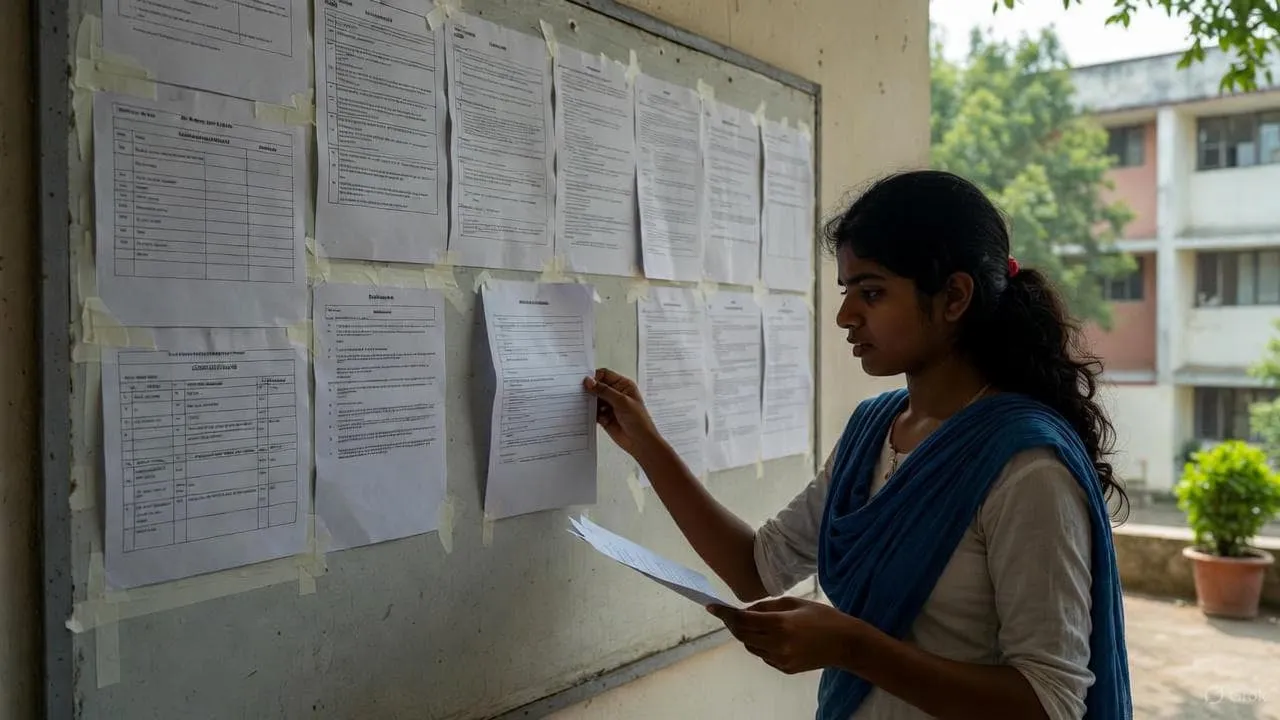
Across India, students frequently find themselves confronting a reality they did not anticipate at the time of admission. Rules related to fees, attendance, examinations, or internal assessments often appear to change midway through the academic journey. What was once clearly stated in the prospectus may later be altered through circulars or verbal instructions, leaving students uncertain about their rights and obligations.
Colleges generally defend such changes by citing administrative autonomy, academic discretion, or evolving institutional policies. However, once a student accepts admission based on declared terms, a legitimate expectation is created that those terms will be honoured. Sudden or unilateral changes raise serious concerns about fairness, transparency, and legality.
Legal principles governing education emphasise that conditions affecting fees, course structure, evaluation methods, or attendance requirements must be clearly disclosed before admission. Any modification that places students at a disadvantage after they have enrolled may be viewed as arbitrary, particularly when applied without adequate notice or opportunity for consent.
The issue becomes more serious when revised rules are enforced retrospectively. Students may face unexpected financial burdens, academic penalties, or restrictions that they could not have foreseen. In such cases, institutions risk crossing the line between academic governance and unfair practice.
Students dealing with sudden rule changes are advised to rely on official records, including prospectuses, admission letters, and fee structures that were in force at the time of joining. Written communication with college authorities is crucial to establish a clear factual record and to seek clarification or relief.
When internal discussions fail, students may approach affiliating universities or regulatory bodies for intervention. Courts have also examined cases where colleges imposed unreasonable changes after admission, particularly when such changes lacked transparency or violated principles of natural justice.
While educational institutions are entitled to evolve and adapt, they cannot do so at the cost of students’ rights. Consistency, clarity, and fairness remain central to the academic relationship, and students are entitled to protection against sudden rule changes that affect their education or financial security.

Written by
MonishMonish is an education writer covering exams, student rights, academic awareness, and other education-related topics, with practical guidance for students.