
Allegations of Extra Payments Surface Against Rajalakshmi Medical College After NEET Admissions
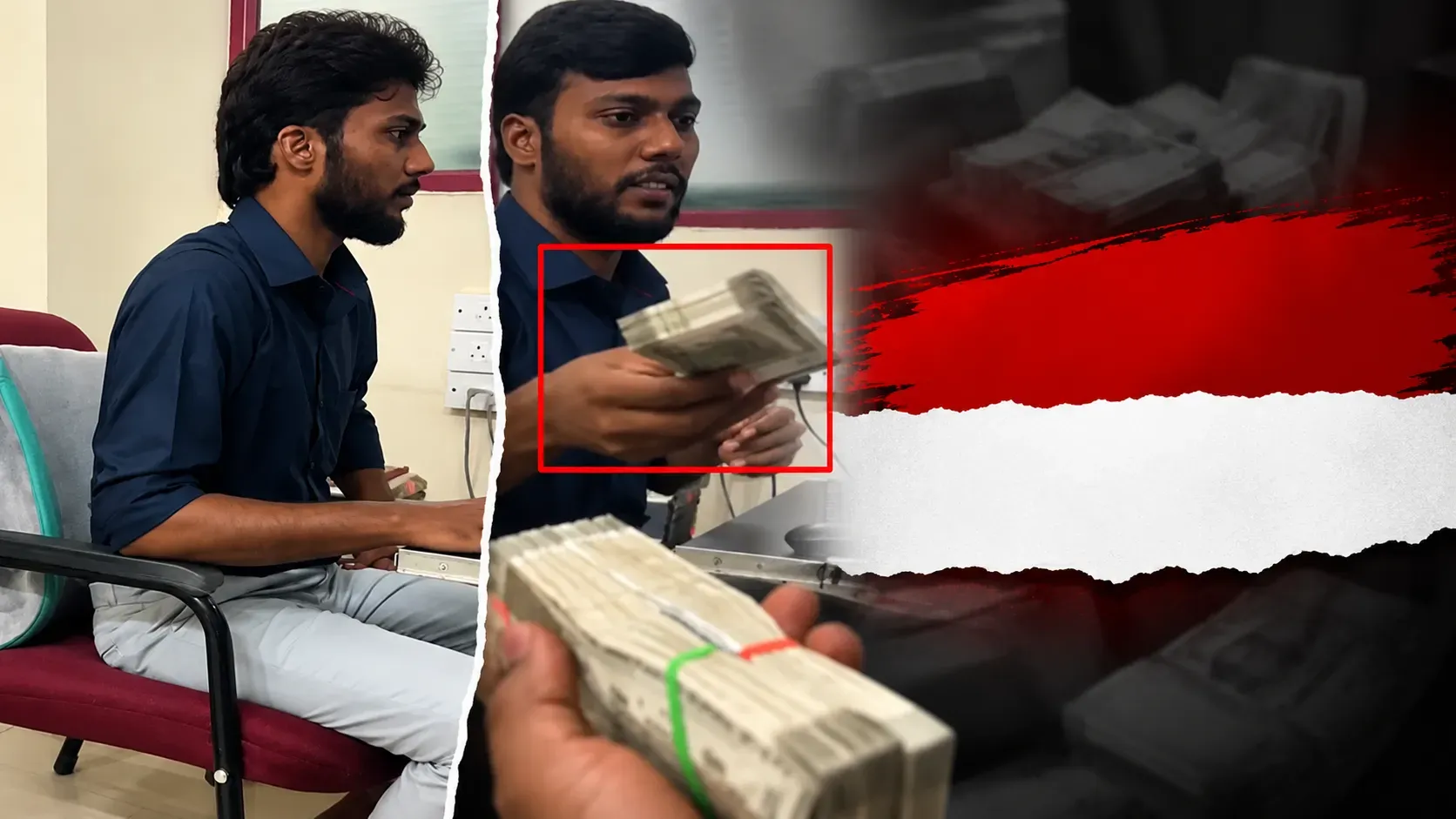
A news video doing the rounds has brought fresh attention to fee practices at Rajalakshmi Medical College in Sriperumbudur, Tamil Nadu. According to the report, students who earned their MBBS seats through the NEET exam are allegedly being pressed for extra payments amounting to several lakhs beyond the approved fee structure. The college, previously known as Annaii Medical College and Hospital and later taken over by Rajalakshmi Institutions, admits students only through NEET. Official fee records list government quota seats at around Rs 4.5 lakh per year and management quota seats at Rs 15 lakh per year, with additional charges for hostel and mess. Capitation fees remain banned under both state and National Medical Commission rules. Yet complaints about private medical colleges in Tamil Nadu collecting more than the amounts declared to the fee fixation committee are not new. Parents and students have repeatedly reported demands for cash payments without proper receipts, higher “other charges,” and pressure to pay amounts that exceed the published structure. In several cases over the past year, families said they were asked for extra sums after counselling allotments, sometimes forcing them to forgo the seat. The latest video has prompted calls for stronger action. One political voice linked the alleged practice to the wider debate on NEET in the state, arguing that private colleges stand to gain if the entrance exam is removed and admissions become less transparent. Others have simply demanded that authorities investigate the specific claims and, if proven, cancel the college’s recognition or halt further admissions. Tamil Nadu’s fee fixation committee, headed by a retired judge, sets the tuition limits for self-financing medical colleges. Institutions are required to declare all charges, including hostel, mess, and development fees, before counselling begins. The National Medical Commission has also directed colleges not to collect tuition beyond the academic period of four-and-a-half years and has banned additional recurring or non-recurring fees under any name. Despite these safeguards, enforcement remains uneven. State officials have formed inquiry committees in response to earlier complaints against multiple colleges. Health authorities have publicly stated that action will be taken when specific evidence is received. For students and parents currently navigating counselling or already allotted seats, the practical advice remains the same: insist on written fee details matching the selection committee’s published figures, avoid cash transactions without receipts, and document every demand. The episode once again underlines how high the stakes are for families. A medical seat secured after years of preparation and a competitive exam can still turn into a financial burden if colleges operate outside the approved framework. Clearer disclosure, tighter monitoring, and prompt investigation of complaints will decide whether the system protects merit or allows room for exploitation. Until authorities examine the specific allegations against Rajalakshmi Medical College, parents and aspirants would do well to treat every extra demand with caution and keep the official fee records close at hand.

Written by
Palak PatelEducation writer Palak Patel covers the latest education news, board exam updates, results, and career opportunities.