
Using AI for Mock Interviews: Smart Preparation Strategy in 2026
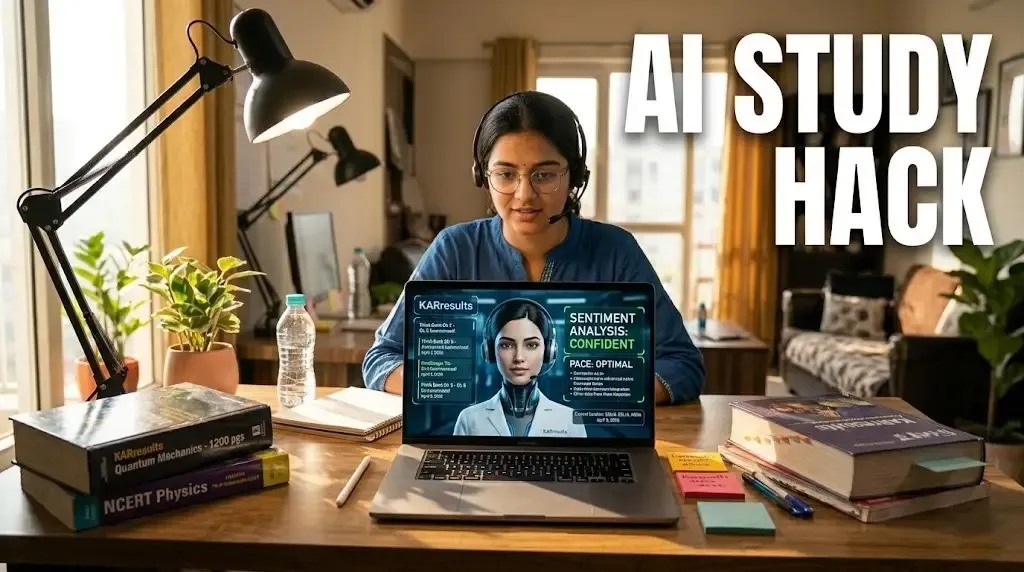
The 2026 Interview Playbook: Why Practicing with AI is No Longer Optional
If you're still practicing for interviews by talking to your reflection in the bathroom mirror, you're living in 2020. By 2026, the hiring landscape has moved toward "AI-aware" interviews where companies aren't just looking for what you know, but how you perform under data-backed scrutiny.
Smart candidates are now treating interview prep like performance training. Instead of guessing what might be asked, they use AI to simulate high-pressure rooms, analyze their vocal tension, and even check if their body language is "leaking" stress. It’s about being data-ready, not just answer-ready.
The goal isn't to become a robot-recruiters still want genuine human connection-but to use AI to strip away the "filler" and nervousness that gets in the way of your best self. Here is how to use these tools strategically to land that 2026 offer.
Top AI Interview Platforms for 2026
| Tool | Best For | Killer Feature | Cost |
|---|---|---|---|
| Final Round AI | End-to-end Prep | Undetectable Interview Copilot | Premium |
| Interview Warmup | Beginners | Free Google-backed practice | Free |
| Sensei AI | Real-time Assist | Live, tailored answer prompts | Premium |
| HackerRank AI | Technical Roles | Coding simulations with AI feedback | Mixed |
| VMock | Personal Branding | Non-verbal cue & facial analysis | Premium |
1. Mastering the "AI-Aware" Coding Interview
For technical roles, the game has changed. Interviewers in 2026 often expect you to work with AI assistants like GitHub Copilot. They want to see how you prompt, how you verify generated code, and-crucially-how you debug it when the AI hallucinates.
Strategy: Don't just solve LeetCode problems alone. Practice explaining your reasoning out loud while using an AI assistant. Say exactly why you trust or distrust a specific suggestion from the AI; it shows you’re a supervisor of the tech, not just a passenger.
2. Refining Behavioral Responses with Sentiment Analysis
Behavioral interviews are now being screened for emotional intelligence (EQ) using AI sentiment analysis. Platforms like VMock or modern VR simulations can detect stress patterns in your voice or micro-expressions that suggest you’re uncomfortable.
| AI Insight | What it Measures | Why it Matters |
|---|---|---|
| Voice Modulation | Pitch, speed, and tone | Gauges confidence and honesty |
| Filler Word Count | "Um," "Uh," and "Like" usage | Improves verbal clarity and impact |
| Body Language | Eye contact and posture | Builds trust in remote/video settings |
3. Predictive Preparation: Training on Real Data
Next-gen tools now pull from public company data and recent projects to generate questions. Instead of generic "strengths and weaknesses" questions, you’ll be asked how you would have handled a specific challenge that company faced six months ago.
Pro Tip: Use tools like Interview Sidekick to simulate adaptive follow-up questions. If you give a weak answer, the AI will keep drilling down into that topic just like a real manager would. It’s brutal, but it makes the real interview feel like a breeze.
4. Reducing Anxiety Through Exposure
The biggest benefit of AI mock interviews is stress reduction. By recording yourself and getting instant feedback, you normalize the flow of a video conversation. You get used to the "vibe" of speaking into a camera, which helps you project calm confidence when the stakes are actually high.
Conclusion
In 2026, the "smart" strategy is smarter preparation, not harder preparation. By using AI as a coach, you get a standardized, unbiased evaluation of your skills before you ever walk into the (virtual) room.
Start with Google Interview Warmup for basic verbal practice, then move to a more aggressive tool like Final Round AI for role-specific simulations. Practice may not make perfect, but data-backed practice makes you the most hireable person in the room.

Written by
Palak PatelEducation writer Palak Patel covers the latest education news, board exam updates, results, and career opportunities.