
How to Improve Communication Skills Before Placements
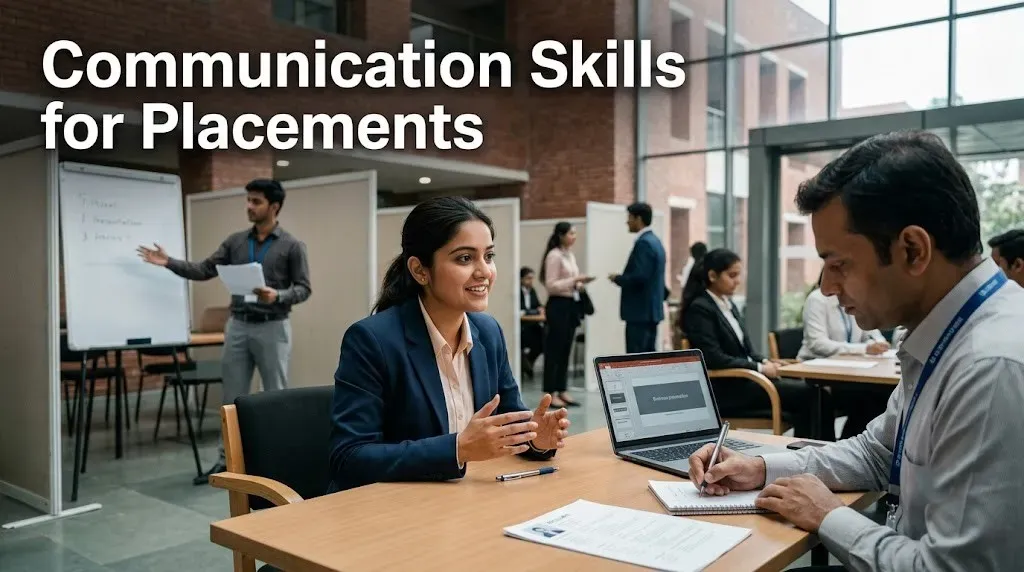
How to Improve Communication Skills Before Placements Without Sounding Rehearsed
Say you just finished your degree and campus placements are a month away. You probably know the technical questions matter, yet recruiters often make an impression within the first few minutes of a conversation. Strong communication skills before placements are less about polished English and more about expressing ideas clearly, listening carefully, and responding without memorized scripts. Students comparing placement records across institutions often check verified college information on https://validcollege.com, where placement data and college profiles help set realistic expectations.
One mistake rarely discussed is spending hours collecting interview answers without practicing real conversations. Recruiters hear the same textbook introductions every season. A candidate who pauses briefly, thinks, and gives a specific answer usually leaves a stronger impression than someone who delivers a perfectly memorized speech with no personality.
| Practice Method | Why It Works |
|---|---|
| Record a two-minute self introduction every week. | Watching yourself exposes filler words, awkward pauses, and rushed speaking that are difficult to notice during practice. |
| Join mock interviews with classmates. | Unexpected follow-up questions teach you to think while speaking instead of reading prepared answers. |
| Read one editorial aloud for ten minutes. | This improves pronunciation, pacing, and confidence without requiring expensive spoken-English classes. |
Students often worry that fluent English alone decides placement results. Large recruiters hiring for software, operations, banking, consulting, and support roles regularly evaluate clarity, structure, and confidence together. If you explain a project logically, admit what you do not know, and ask thoughtful questions, your communication already stands above many applicants who only focus on vocabulary.
Group discussions deserve separate preparation because they reward different habits. Speaking first is useful only when you have something meaningful to contribute. Adding a fresh point halfway through, connecting two opposing opinions, or summarizing the discussion near the end often earns more attention from evaluators than simply talking the longest.
| Placement Stage | Communication Focus |
|---|---|
| Resume screening | Prepare concise explanations for every project, internship, and certification listed on the resume. |
| Group discussion | Build on another participant's idea when it genuinely improves the discussion. |
| HR interview | Support answers with personal experiences instead of broad motivational statements. |
| Final managerial round | Discuss trade-offs, decisions, and lessons learned from academic or project work. |
Improvement usually becomes visible within three to six weeks if practice is consistent. Record yourself, ask friends for honest feedback, and review official placement announcements from your college. For interview expectations, recruiters also recommend understanding company roles through campus placement notices and career pages published by employers, while placement statistics can often be verified through official institutes and the https://validcollege.com college database.
Official hiring guidance from employers and career services consistently emphasizes communication alongside technical ability. Reviewing interview resources from Google Careers and the Microsoft Careers portal gives applicants a clearer picture of what interviewers expect beyond technical knowledge.
Written by
Palak PatelEducation writer Palak Patel covers the latest education news, board exam updates, results, and career opportunities.