
How C Programming Helps in Placement Even Today
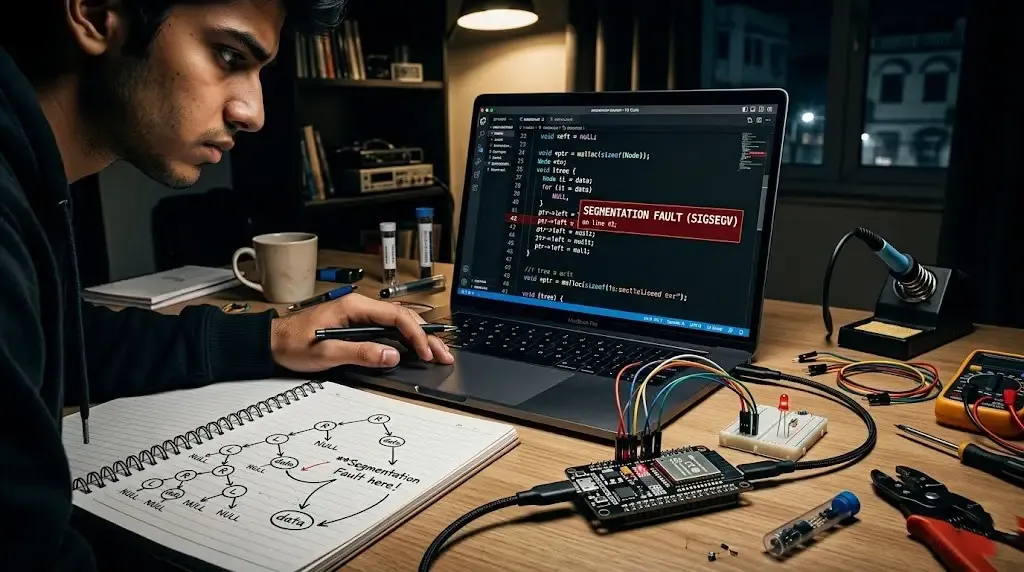
The Raw Truth: Why C is Still Your Best Bet for Placements in 2026
If you're scrolling through LinkedIn, you'll see everyone buzzing about AI, Python, and the latest JavaScript frameworks. But here’s the secret: while those languages are great for building apps, the foundational "systems layer" of our world-the stuff that actually runs the hardware-is still built on C. Learning C in 2026 isn't about being old-fashioned; it's about building a mental model of how a computer actually works.
In technical interviews, recruiters don't just want to see if you can "ship code." They want to see if you understand memory management and low-level optimization. If you can explain malloc(), free(), and pointer arithmetic without flinching, you've already proven you have the discipline that high-level languages often hide.
Why Recruiters Value C Expertise
| Concept | Why It Matters for Placements |
|---|---|
| Memory Management | Proves you can handle "Segmentation Faults" and prevent memory leaks. |
| Pointers | The #1 topic in systems engineering interviews; shows deep architecture knowledge. |
| Data Structures | Building a Linked List from scratch in C proves you understand the "why," not just the "how". |
| Direct Control | Critical for high-performance roles in IoT, Automotive Tech, and Cybersecurity. |
The "Systems Engineer" Moat
While the market for web developers is crowded, there is a specialized, high-demand market for engineers who can look "under the hood". Companies like Intel, Qualcomm, and Cisco prioritize candidates who understand computer architecture. Even as new languages like Rust gain ground, their roots are in the concepts you learn from C.
Mastering C gives you what some call "Technical Empathy"-a deep awareness of how your software interacts with the hardware. This is a strategic advantage because AI tools still struggle to replicate the deep judgment required for systems-level debugging and optimization.
Key Companies Hiring for C Skills in 2026
| Company Type | Notable Names | Focus Areas |
|---|---|---|
| Networking & Hardware | Cisco, Intel, Juniper | Packet processing, kernel development. |
| Embedded Systems | Qualcomm, L&T Embedded | Microcontrollers, automotive sensors. |
| IT Service Giants | TCS, Wipro, Infosys | Foundational training, database engines. |
| Specialized Product | Oracle, Zoho, Freshworks | Database optimization, core libraries. |
How to Prep for 2026 Interviews
Don't just watch tutorials-compile code. Get comfortable with the terminal using gcc. In your interviews, be ready to tackle bit manipulation questions, explain the difference between stack and heap memory, and walk through recursive functions step by step.
Pro Tip: Build a project that proves your low-level chops. A custom shell or a network packet sniffer written in C will stand out far more on a resume than another generic web app.
Conclusion
Learning C makes every other language feel easier. It’s the "Mother of All Languages" for a reason-it’s the bedrock of modern infrastructure. If you want a career with high job security and a premium salary, start with the foundations. Master the metal, and the rest will follow.

Written by
Palak PatelEducation writer Palak Patel covers the latest education news, board exam updates, results, and career opportunities.