Remote Jobs for Students in 2026: What Skills You Need
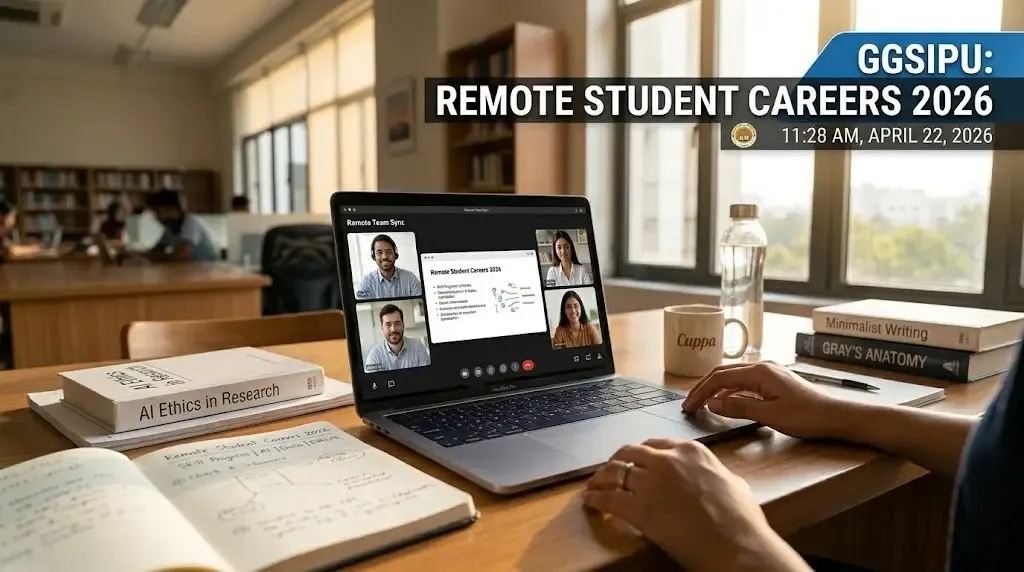
The 2026 Remote Shift: Why Practical Skills Outweigh Degrees
By 2026, the job market has made one thing clear: what you can do matters more than where you go to school. In fact, roughly 80% of employers now prioritize practical expertise and portfolio proof over degrees alone. For students, this is a golden era. You can build a high-paying career from your bedroom, provided you master the right digital tools and "human-centric" soft skills.
The "AI Revolution" hasn't replaced jobs; it has redefined them. Companies aren't just looking for someone to "do the work"-they want students who can use AI to do the work faster and with better quality control.
Top Remote Roles for Students in 2026
| Job Role | Key Skills Needed | Est. Monthly Earnings (INR) |
|---|---|---|
| Online Tutor | Subject expertise, Patience, Video calling tools | ₹15,000 – ₹40,000 |
| Social Media Manager | Content creation, Analytics, Scheduling tools | ₹12,000 – ₹45,000 |
| Virtual Assistant (VA) | Data entry, Scheduling, Research, Email management | ₹10,000 – ₹30,000 |
| Content Writer | SEO, AI editing, Niche research | ₹8,000 – ₹50,000 |
| Web Developer | HTML, CSS, JavaScript, Basic Python | ₹20,000 – ₹1,00,000 |
1. The "AI Fluency" Edge
In 2026, "AI Fluency" is no longer optional. This doesn't mean you need to be a coder; it means you need to know how to prompt AI tools to draft text, summarize data, and automate repetitive tasks. Employers are specifically wary of "workslop"-low-quality AI output-so the ability to fact-check and refine AI results is a high-value skill.
2. Technical Skills that Pay
- Data Science & Analytics: Businesses rely on students who can interpret simple charts and spot trends in data to support decisions.
- Digital Marketing & SEO: Understanding how to rank content on Google or run paid ad campaigns remains a top-tier remote skill.
- Cybersecurity Awareness: With remote work comes risk. Knowing how to protect digital assets and spot phishing is a baseline requirement now.
3. The "Human" Advantage (Soft Skills)
Remote work is lonely if you can't communicate. Asynchronous writing-the ability to write clear, context-rich updates that don't require a follow-up meeting-is the #1 skill for remote success in 2026. Additionally, self-discipline and time management are critical; without a manager looking over your shoulder, you must be your own boss.
How to Get Started?
Don't just list skills; prove them. Start by building a portfolio on platforms like Behance (for design) or GitHub (for code). Use free resources like Google Career Certificates or HubSpot Academy to get certified in 3-6 months.
Apply through student-friendly portals like Internshala or Apna App for local roles, or We Work Remotely and FlexJobs for international opportunities.
Conclusion
Remote work in 2026 is less about where you sit and more about the value you produce. For students, this means the barrier to entry is lower than ever, but the standard for quality is higher. Focus on a core digital skill, layer it with AI tools, and master the art of clear digital communication to land your first remote gig this year.

Written by
Palak PatelEducation writer Palak Patel covers the latest education news, board exam updates, results, and career opportunities.