
Your College Has No Big Placement Drive—How Can You Still Get Your First Job?
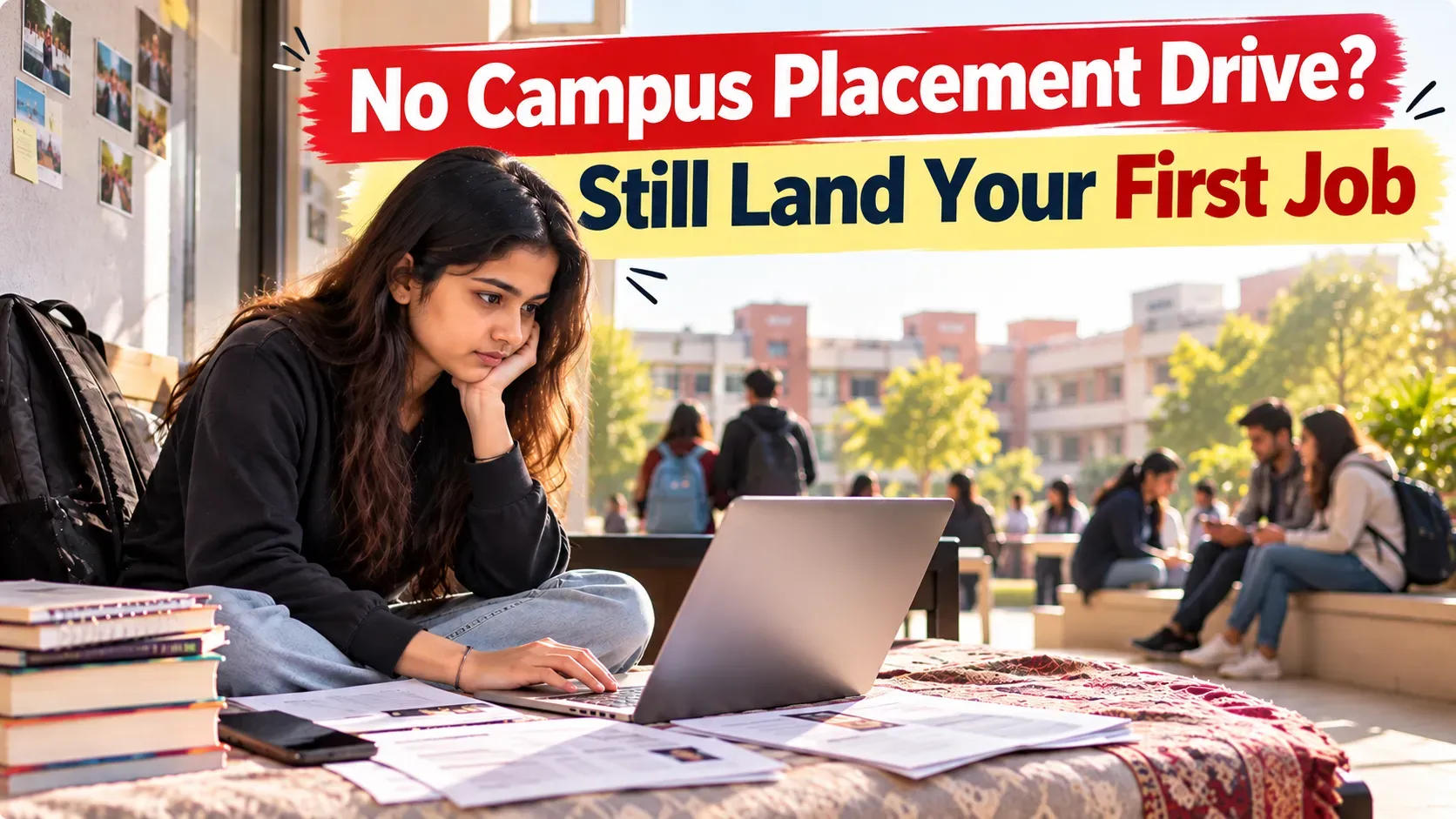
Not every college manages a grand placement season. Some years the companies simply do not turn up in large numbers. When that happens, a quiet panic spreads across the final-year batch. Students start comparing themselves with friends from other campuses and the pressure builds fast. The good news is that a missing placement drive does not close every door. Plenty of graduates find their first jobs without any campus interview. The route just looks different. Begin with skills that employers actually notice. A basic degree is rarely enough now. Free or low-cost online modules in the tools used in your field can make a resume stand out. Keep the learning short and practical. Finish one or two solid projects rather than collecting ten unfinished certificates. Internships remain one of the strongest bridges. Even a two-month unpaid or modestly paid stint gives real work samples and a reference. Many companies later convert good interns into full-time roles. Start looking early, even in the sixth or seventh semester if possible. Your college alumni can help more than you expect. Senior students who already work often remember how it felt to search without campus support. A polite message on LinkedIn or through the alumni office sometimes opens conversations that lead to openings. Keep the note short and genuine. Job portals and company career pages still work for freshers. Filter for “fresher” or “0-1 year” roles and apply regularly. Many mid-sized firms never visit campuses yet hire throughout the year. Treat applications like a daily habit rather than a one-time rush. Offline effort also counts. Walk into local offices, training centres or smaller companies in your city with a clean resume. Some managers prefer meeting candidates face to face when they need immediate help. Dress simply and carry a few printed copies. Freelance or part-time work can fill the gap while you search. Platforms that need content writers, basic designers, data entry help or tutors let you earn and build a work history at the same time. Even small paid tasks look better than a blank experience section. Keep your LinkedIn profile updated and active. Post occasional notes about projects or things you are learning. Recruiters do search for freshers, especially when the profile looks complete and the person seems serious. Rejection will come. Most first-job searches involve many unanswered applications. Treat each one as practice. Improve the resume after every few tries and ask a teacher or senior for honest feedback. Parents and teachers can support by staying calm and helping with small practical things like internet access or a quiet space to prepare. The student still has to drive the effort. A college without a big placement drive feels discouraging at first. Yet students who treat the search as their own project often land roles that fit them better than a rushed campus offer. Start early, stay consistent, and use every available route. The first job usually arrives for those who keep moving.

Written by
Palak PatelEducation writer Palak Patel covers the latest education news, board exam updates, results, and career opportunities.