
When Should Students Start Looking for Internships?
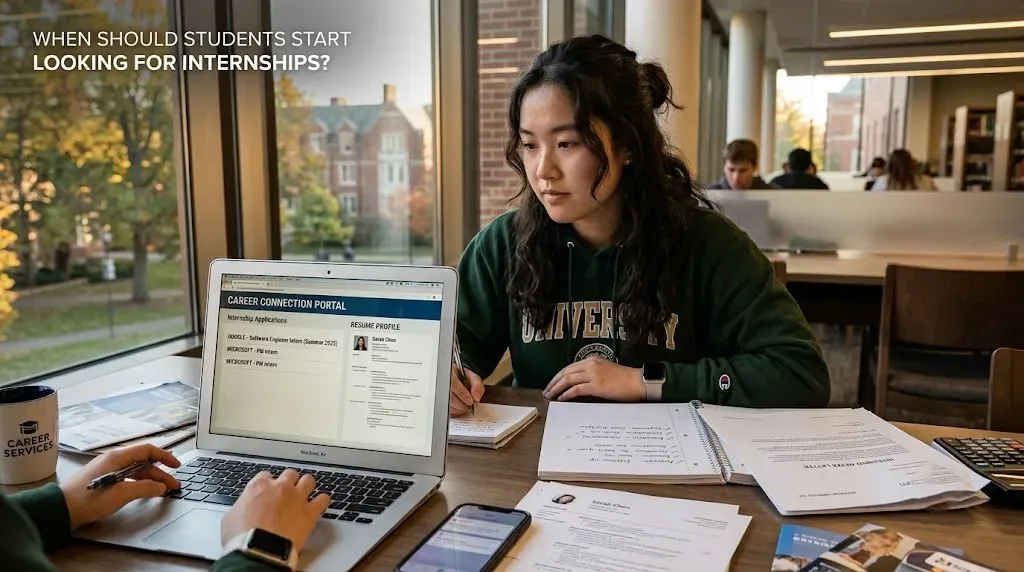
When Should Students Start Looking for Internships?
Many students wait until their final year to search for internships, but by then they may have already missed valuable opportunities. Internships help you apply classroom knowledge, develop professional skills, build your resume and understand how the industry works. Starting early gives you more time to gain experience before campus placements begin.
The right time to apply depends on your academic year and how prepared you are. Even if you don't have advanced technical skills, early internships can help you build confidence and improve your employability.
Best Time to Apply for Internships
| College Year | Should You Apply? | Main Focus |
|---|---|---|
| First Year | Yes | Learn basic skills, volunteer work, short internships and online projects. |
| Second Year | Definitely | Apply for skill-based internships and build your portfolio. |
| Third Year | Highest Priority | Gain industry experience before placement season. |
| Final Year | Yes | Target internships with Pre-Placement Offers (PPOs). |
Why Should You Start Early?
Students who complete internships before their final year often have stronger resumes, better communication skills and greater confidence during interviews. They also get exposure to real-world projects, teamwork and workplace expectations that are difficult to learn only through classroom studies.
Skills to Learn Before Applying
| Skill | Why It Matters |
|---|---|
| Communication Skills | Important for interviews and workplace collaboration. |
| Resume Writing | Creates a strong first impression. |
| Technical Skills | Required for role-specific internships. |
| Problem Solving | Employers value analytical thinking. |
| Teamwork | Essential in almost every professional environment. |
Where Can Students Find Internships?
Students can find internship opportunities through their college placement cell, company career pages, professional networking platforms, internship portals, career fairs and referrals from faculty members or alumni. Regularly checking these sources increases the chances of finding opportunities that match your interests and skills.
Common Mistakes to Avoid
| Mistake | Better Approach |
|---|---|
| Waiting Until Final Year | Start applying as soon as you have basic skills. |
| Sending the Same Resume Everywhere | Customize your resume for each role. |
| Ignoring Small Companies | Startups often provide valuable hands-on experience. |
| Applying Without Projects | Build at least two or three practical projects first. |
| Giving Up After Rejections | Continue learning and applying consistently. |
Tips to Increase Your Chances
Maintain an updated resume, create a professional LinkedIn profile, build projects related to your field, participate in hackathons or competitions, earn relevant certifications and practice interview questions regularly. Even small improvements can make your application stand out.
Frequently Asked Questions
Can first-year students get internships?
Yes. While opportunities may be limited, many organizations offer internships, training programs and volunteer roles for first-year students who show enthusiasm and a willingness to learn.
Do unpaid internships help?
If an unpaid internship provides meaningful learning, mentorship and practical experience, it can strengthen your resume. However, carefully evaluate the quality of the opportunity before accepting it.
How many internships should I complete before graduation?
There is no fixed number, but completing two or three quality internships along with relevant projects can significantly improve your placement profile.
What if I don't get selected?
Rejections are a normal part of the internship process. Continue improving your skills, update your portfolio, seek feedback where possible and apply to more opportunities. Persistence often leads to better results over time.
Looking for internships early gives students a competitive advantage in today's job market. By starting in the first or second year, continuously building skills and gaining practical experience, you can develop a strong professional profile before graduation. The earlier you begin preparing, the more opportunities you'll have to learn, grow and succeed in your career.
Written by
Palak PatelEducation writer Palak Patel covers the latest education news, board exam updates, results, and career opportunities.