
No Expensive Lab or Equipment? How Engineering Students Can Build Their First Portfolio
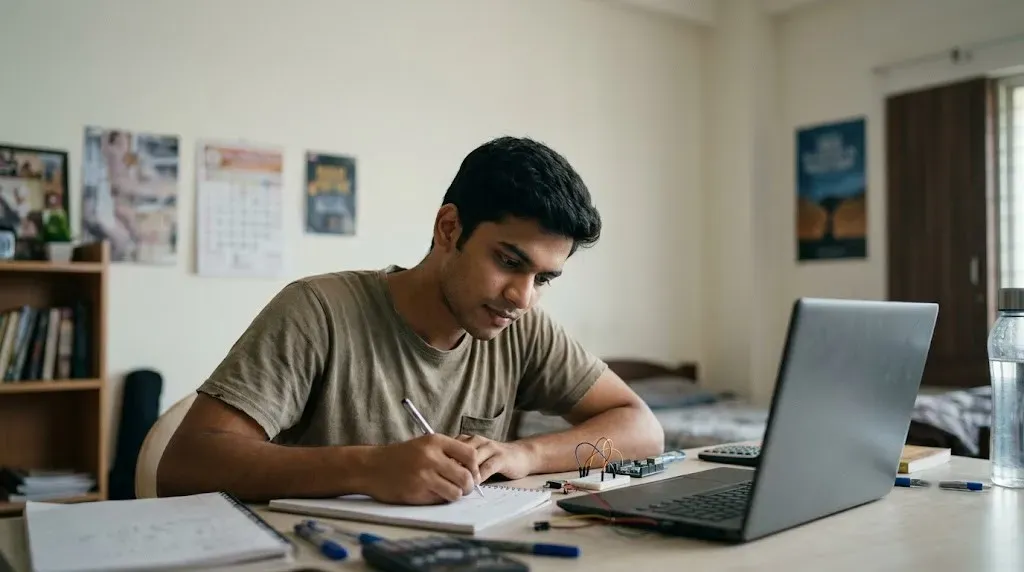
Students in engineering often feel stuck when the college lab is basic or the equipment is outdated. Companies keep asking for projects and a portfolio, yet the resources on campus feel limited. The gap looks wide at first.
It does not have to stop you. Plenty of students create decent portfolios without access to expensive machines or high-end software licences. The key is to work with what is freely available and show your thinking clearly.
Start with software and simulation tools that cost nothing. Several online platforms let you design circuits, test code or run basic mechanical simulations in the browser. You can complete small projects, take screenshots and record short screen videos. These become solid portfolio pieces when you explain the problem you tried to solve.
GitHub remains one of the most useful free spaces. Upload your college mini-projects, cleaned-up code, or even simple scripts you wrote to solve everyday problems. Add a short readme that describes what the project does and what you learned. Recruiters and internship mentors do look at these repositories.
College assignments can turn into portfolio material if you treat them seriously. Instead of submitting the bare minimum, improve one or two assignments. Document the steps, the challenges you faced and the final result. A well-explained academic project often carries more weight than a half-finished fancy idea.
Low-cost or no-cost hardware options exist too. Basic microcontrollers and sensors are cheaper than many students expect, but even without buying anything you can still work on pure software versions or use free virtual labs. The goal is to show process and understanding rather than expensive components.
Online problem statements and open-source contributions help as well. Many public repositories welcome small fixes or documentation improvements from students. Solving a real issue in an open project gives you something concrete to point to during interviews.
Keep the presentation simple and honest. A clean folder of three or four projects with short explanations, photos or short demo clips works better than a long list of incomplete work. Write in plain language about what you set out to do, what went wrong and how you fixed it.
Time matters more than money here. Students who steadily add one small project every few weeks end up with stronger portfolios than those waiting for perfect lab conditions. Sometimes teachers and seniors can suggest realistic project ideas that can be implemented with the resources available.
Not having a top-end lab is a disadvantage, but it makes you resourceful in turn. Employers notice students who find ways to learn and build despite limitations. This week, start with one small idea, document it right, and keep adding. Your first portfolio can grow from exactly where you are right now.
Written by
Palak PatelEducation writer Palak Patel covers the latest education news, board exam updates, results, and career opportunities.