
Language Barrier in Education: Why English Still Affects Student Confidence
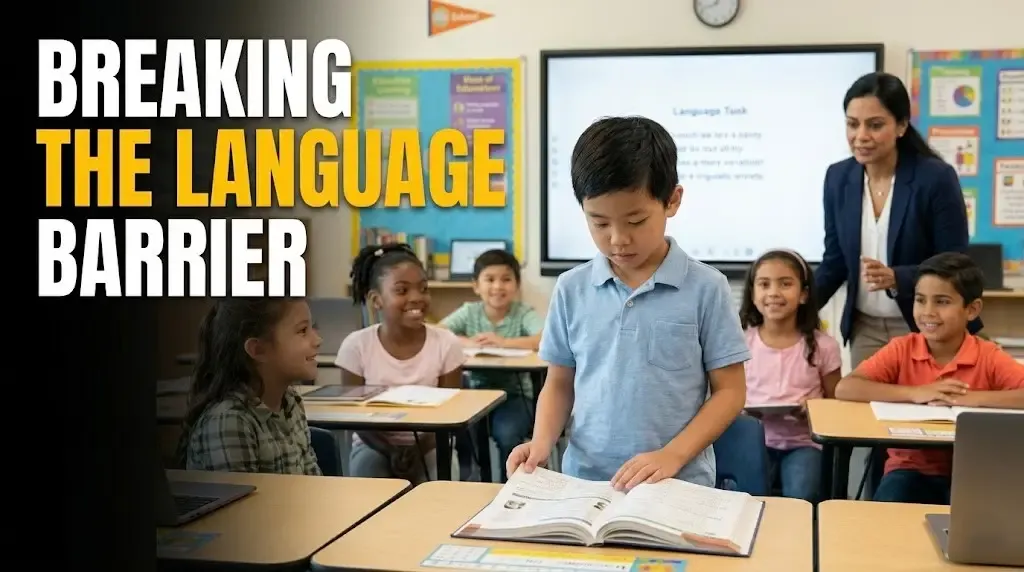
The Silent Struggle: How Language Dictates Classroom Participation in 2026
As of April 2026, the educational landscape in India is undergoing a massive transformation under the National Education Policy (NEP) 2020. Yet, a ghost continues to haunt our classrooms: the English language barrier. For many students, especially those from rural areas or non-English speaking households, the classroom isn't just a place of learning; it's a place of "linguistic anxiety." When a student understands a scientific concept perfectly in their mother tongue but cannot express it in English, their self-worth takes a hit, often leading to a total withdrawal from classroom activities.
Research published in early 2026 indicates that nearly 75% of students who struggle with English-medium instruction report symptoms of "linguistic inferiority." This isn't just about grades—it's a psychological burden where students feel that their lack of English proficiency makes them "lesser" than their peers. This barrier creates a divide between the 'confident elists' and the 'hesitant majority,' fundamentally breaking the inclusivity that modern education aims to achieve.
Psychological and Academic Impact
The transition from a home language to an English-only instruction environment can be jarring. Educators are increasingly observing the following trends in 2026:
- Linguistic Subordination: Students begin to value English over their mother tongue, leading to a loss of cultural identity and personal dignity.
- The "Affective Filter": High anxiety levels act as an invisible wall, preventing students from processing new information effectively even when they are intellectually capable.
- Social Isolation: Students who are not fluent in English often refrain from joining clubs, leadership roles, or debates, fearing negative evaluation from peers.
The 2026 Policy Shift: Mother Tongue as a Solution
To tackle this, the CBSE and various state boards have intensified their efforts in the 2025-26 academic session to promote regional languages as the medium of instruction for foundational grades. The goal is to ensure that a child's cognitive development isn't stunted by a language they are still trying to decode.
| Factor | English-Only Instruction | Mother-Tongue Based (NEP 2020) |
|---|---|---|
| Concept Clarity | Often lost in translation. | High; direct cognitive link. |
| Student Confidence | Fluctuates based on fluency. | Higher; encourages participation. |
| Dropout Rates | Higher in rural areas. | Significantly reduced. |
| Cognitive Load | High (Decoding language + content). | Lower (Focus only on content). |
Breaking the Stigma: The Road Ahead
The solution isn't to remove English entirely—it remains a vital tool for global communication—but to remove it as a barrier to entry. In 2026, "Translanguaging" has become a popular pedagogical tool where teachers allow students to use a mix of languages to explain complex ideas. This approach validates the student's existing knowledge while slowly building their English vocabulary without the associated shame of "getting it wrong."
Important Official Resources for Educators
| Resource Name | Official Link |
|---|---|
| Ministry of Education (NEP Updates) | education.gov.in |
| CBSE Multilingual Guidelines 2026 | cbseacademic.nic.in |
| NCERT Bilingual Textbooks Portal | ncert.nic.in |
Conclusion
In 2026, we are finally realizing that a student's brilliance should not be measured by their English accent. The language barrier in education is a systemic issue that requires empathy from teachers and structural changes from policymakers. By prioritizing the mother tongue in early education and fostering a "shame-free" English learning environment, we can help students reclaim their confidence. After all, education is about opening minds, not closing them behind a language they haven't yet mastered.

Written by
Palak PatelEducation writer Palak Patel covers the latest education news, board exam updates, results, and career opportunities.
Comments
No comments yet. Be the first!