How Students Can Build Job-Ready Skills During College in 2026
How Students Can Build Job-Ready Skills During College in 2026
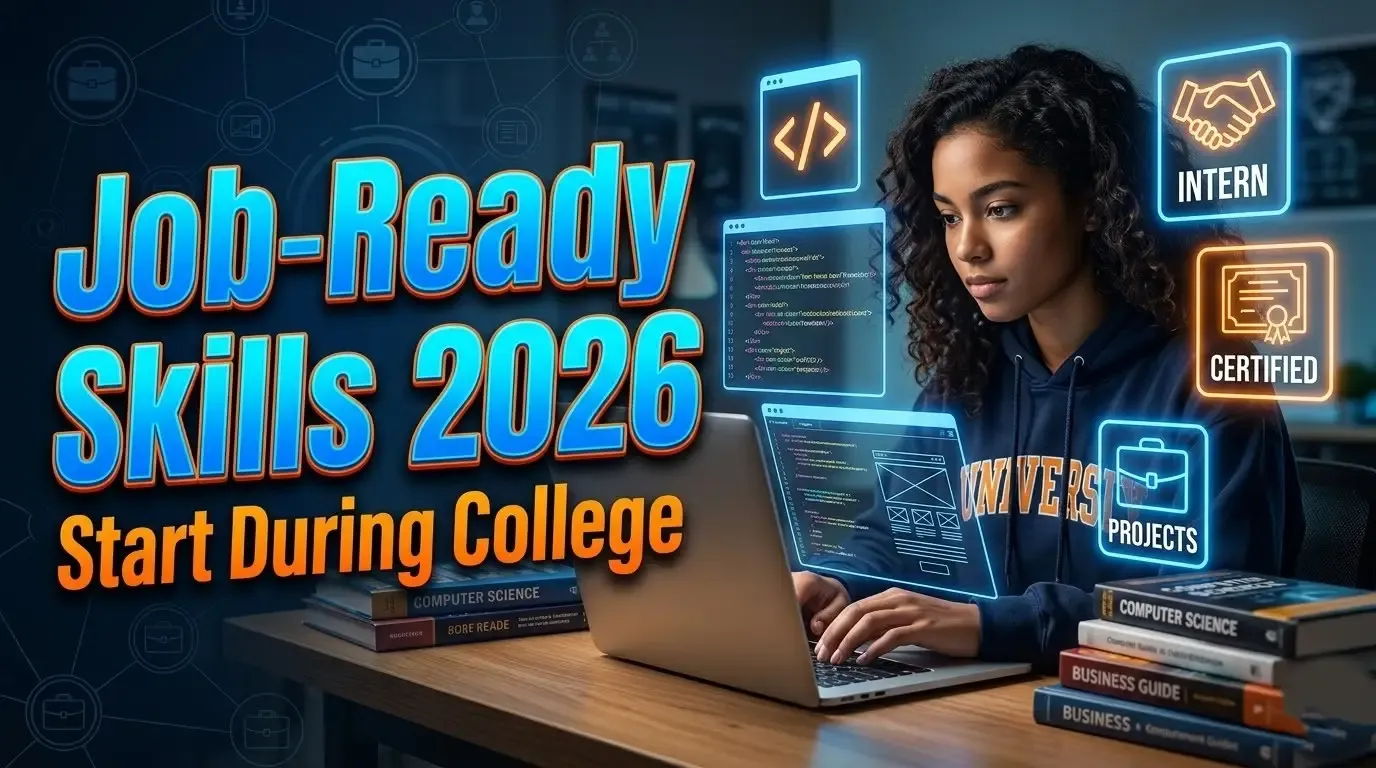
Many students believe that getting a degree automatically leads to a job. But the reality in 2026 is a little different. Employers today look beyond marksheets - they want candidates who can actually solve problems, work on real tools, and contribute from day one.
This is why building job-ready skills during college has become extremely important. Students who start developing practical abilities early often find it much easier to secure internships and entry-level jobs after graduation.
The good news is that students don’t need expensive programs or special connections. With the right approach, many useful skills can be developed alongside regular college studies.
Focus on Practical Skills, Not Just Theory
College courses usually focus on theoretical concepts, which are important but not always enough for the job market. Students who combine theory with hands-on practice gain a major advantage.
For example, a computer science student who learns programming in class can also build small projects like websites, apps, or automation tools. These projects later become part of a portfolio that employers can actually see.
Even simple projects demonstrate initiative and problem-solving ability, which recruiters often value more than exam marks alone.
Learn Industry Tools and Technologies
One major gap between college education and industry work is familiarity with professional tools. Many companies expect graduates to already know how to use basic industry software.
| Skill Area | Examples of Tools |
|---|---|
| Programming | Python, JavaScript, Java |
| Design | Figma, Canva, Adobe tools |
| Data Analysis | Excel, Power BI, SQL |
| Collaboration | GitHub, Slack, Notion |
Internships and Real-World Experience
Internships remain one of the most effective ways to gain practical experience. Even short internships help students understand how professional environments actually work.
During internships, students learn things that classrooms rarely teach - communication with teams, meeting deadlines, and handling real project requirements.
Many companies also prefer hiring candidates who have already completed internships because it shows that the student has some exposure to real work situations.
Build a Portfolio Before Graduation
A portfolio is simply a collection of projects, work samples, or achievements that demonstrate what a student can do. In many fields, portfolios are becoming just as important as resumes.
For example, a student interested in web development might create a small website, while a design student could showcase graphics or UI layouts they have created.
When recruiters see real work instead of just academic marks, it becomes easier for them to evaluate the candidate’s abilities.
Develop Soft Skills Alongside Technical Skills
Technical skills help students perform tasks, but soft skills help them succeed in professional environments. Communication, teamwork, and time management are often just as important as technical knowledge.
Participating in group projects, presentations, student clubs, or competitions can naturally improve these abilities.
By combining practical experience, technical knowledge, and communication skills, students graduating in 2026 can position themselves as job-ready candidates even before completing college.

Written by
Palak PatelEducation writer Palak Patel covers the latest education news, board exam updates, results, and career opportunities.