The Warning About AI Chatbots That Every Parent Should Read
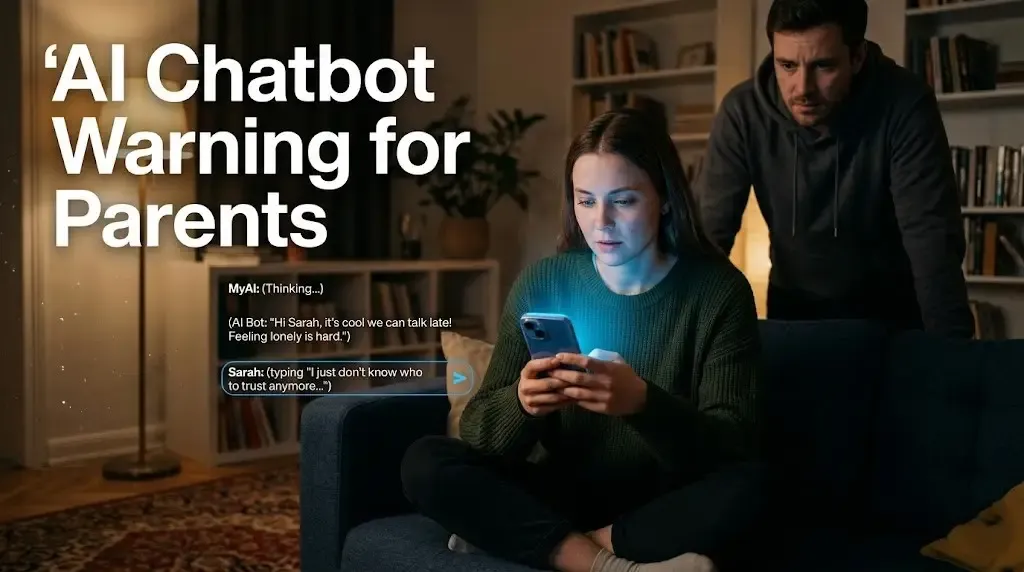
AI Chatbots Feel Helpful - But They’re Not Always Safe for Kids
AI chatbots are everywhere now. Kids use them for homework, doubts, even casual conversations. On the surface, it feels like a smart tool. But here’s the part most parents miss - these tools are powerful, but they are not designed specifically for children.
That gap creates real risks.
First, kids may trust AI too easily.
Chatbots sound confident. They give quick answers. But they can be wrong. A child may not question the answer and treat it like absolute truth. Over time, this can affect learning and critical thinking.
Second, privacy is a real concern.
Children often share personal details without thinking. Names, school, habits - all of this can be typed into a chatbot casually. Parents need to understand that not all conversations are private in the way kids assume.
Third, emotional dependence can develop.
This is something many people are not talking about yet. Kids may start using chatbots not just for help, but for emotional support. While that sounds harmless, it can slowly replace real human interaction.
Here’s a simple breakdown of the risks:
| Risk | What It Means |
|---|---|
| Wrong Information | AI can give incorrect or incomplete answers |
| Privacy Issues | Kids may share personal data unknowingly |
| Overdependence | Less independent thinking and problem solving |
| Emotional Attachment | Replacing real conversations with AI |
So what should parents actually do?
• Talk openly about how AI works
• Teach kids to verify answers, not blindly trust them
• Set limits on usage time
• Encourage real-world interaction and learning
This is not about banning AI. That won’t work.
It’s about guiding how it’s used.
AI will be part of your child’s future. But without awareness, it can quietly create habits that are hard to fix later.
Final thought:
Don’t treat AI chatbots as harmless tools. Treat them like the internet itself - useful, but requiring awareness and supervision.
The earlier parents understand this, the better prepared their children will be.
Written by
MonishMonish is an education writer covering exams, student rights, academic awareness, and other education-related topics, with practical guidance for students.