
What are the eligibility criteria for B.Tech Biotechnology admissions in JIIT?
In recent years, biotechnology engineering has seen a noticeable rise in demand, as the field continues to grow into one of the most promising sectors in India. This growth is backed by strong industry momentum, with the country’s bioeconomy valued at $165.7 billion in 2024. India has the highest number of FDA-approved manufacturing facilities, and both bioinnovation and biomanufacturing are growing rapidly, with the sector aiming to become a $300 billion industry by 2030.
So, as it stands, being a biotech engineer is now a dream of many aspiring engineering students. Consequently, more and more students are searching for B.Tech Biotechnology colleges and the eligibility criteria for the course. There are a number of articles on the web listing the best B.Tech CSE colleges that also offer biotechnology programmes. Nevertheless, Jaypee Institute of Information Technology (JIIT) in Noida remains a high-ranking institute for both streams. For anyone looking to get admission to JIIT, this article will lay out the entire process to provide clarity.
The Biotechnology Environment @ JIIT
Established in 2002, the Department of Biotechnology at JIIT has grown alongside the evolving Indian biotechnology landscape. The institute focuses on excellence. Rather than following a traditional biology track, the curriculum operates at the intersection of genetics and molecular biology, treating these subjects as technical engineering disciplines suited for industrial research.
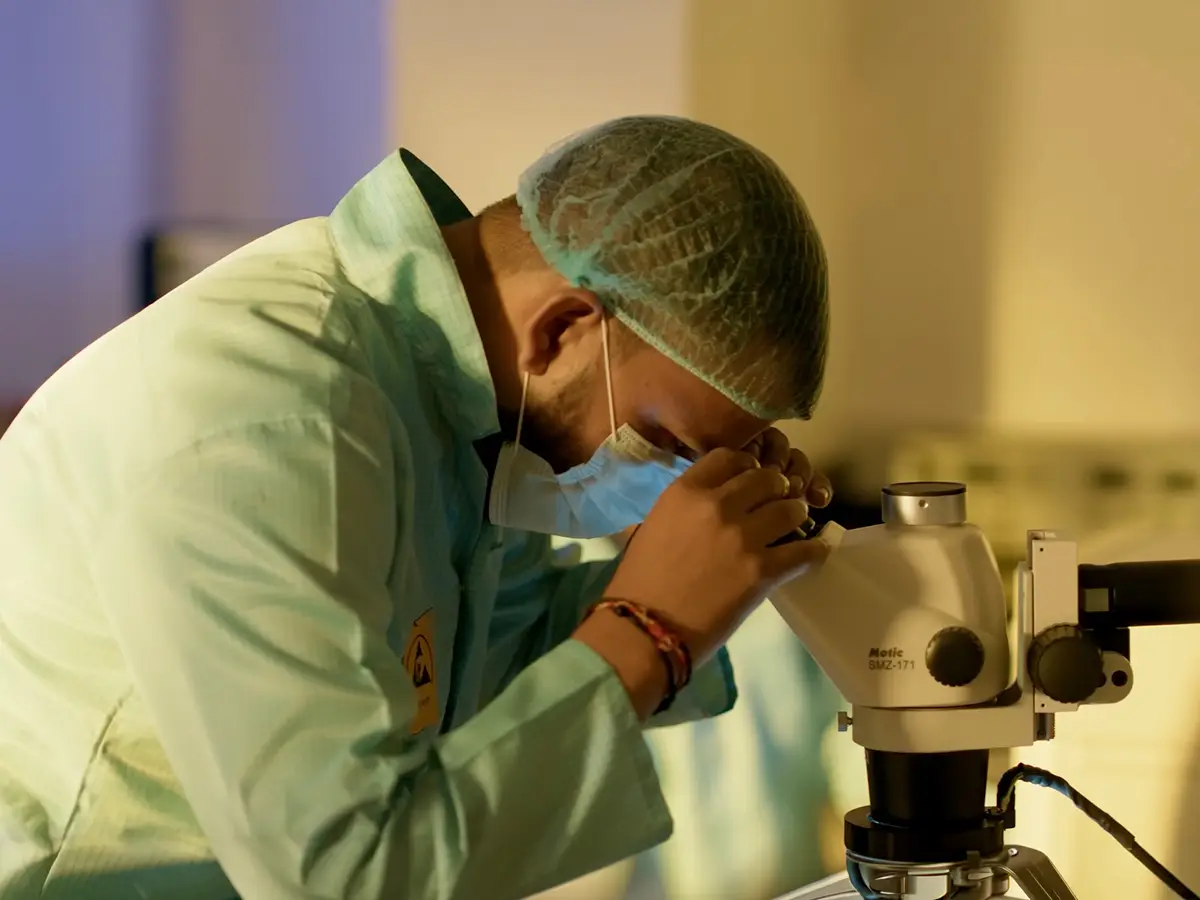
The strong curriculum is supported by the expert faculty at JIIT, which brings a blend of academic and industrial exposure from both Indian and international backgrounds. The institute maintains an updated syllabus covering bioprocess engineering, bioinformatics, genetics, molecular biology, genetic engineering, and nanotechnology, along with many other subjects. The lab-centric setup of the course at JIIT aims to convert scientific concepts into tangible solutions for healthcare, food security, and environmental challenges.
Eligibility for Admission
The admission criteria at JIIT are designed to ensure students are well-prepared for the demands of the eight-semester programme.
- Academic Eligibility: To apply, students need to have completed 10+2 or an equivalent qualification. Those who passed their Class 12 in 2024, 2025, or 2026 with all subjects cleared are eligible. A minimum of 60% aggregate marks is required for the general category, with a 5% relaxation for SC and ST applicants.
- Subject Combinations: JIIT offers flexibility in subject requirements. Students must have studied Physics and Chemistry as compulsory subjects, while the third subject can be Biology, Biotechnology, or Mathematics. This makes it easier for students from a medical background to pursue engineering without having studied advanced Mathematics in school.
Admission Modes and Entry Paths
Selection does not rely on a single test. The institute provides multiple ways to secure a seat based on different academic strengths.
- 10+2 Merit-Based Admission: Students with an exceptional performance in their senior secondary education can get admission to JIIT through this route. The merit list is based on scores in Physics, Chemistry, and the chosen third subject. During the 2025 cycle, successful candidates entered with aggregate percentages between 61.33% and 98.33%.
- JEE Main Route: JIIT also accepts students based on their JEE Main AIR ranks. In the 2024 admission round, the cutoff for the biotechnology programme reached the maximum rank of 129809.
- Flexibility in Admission Routes: Students are not restricted to a single admission path. Applying through both the 10+2 merit list and a JEE rank is a standard approach to improve the chances of securing a seat. This flexibility allows for multiple opportunities to meet the entry benchmarks within the same cycle.
- Lateral Entry Provision: This is another alternate admission path for those students who are generally looking for a college or course switch. However, the lateral entry provision has strict requirements. Diploma holders need a three-year diploma in a relevant branch with 60% marks. BSc graduates require 60% marks and must have studied Mathematics at the 10+2 level. Vocational graduates from BVoc or three-year DVoc streams in allied sectors are also eligible for consideration.
Practical Training and Industry Exposure

A major differentiator for JIIT among B.Tech Biotechnology colleges is the mandatory summer training integrated into the degree.
The first summer training after the second semester lasts four weeks and emphasises soft skills and innovation cell activities. The second training follows the fourth semester and involves six weeks of work with NGOs, government bodies, or MSMEs. This period can also be used to develop startup concepts.
The final summer training after the sixth semester is a six-week industrial stint. This provides direct exposure to corporate or government research labs before graduation.
Fee Structure
The costs for the B.Tech Biotechnology programme at JIIT correlate with the specialised equipment needed for the course. Students spend a significant portion of the degree in Genetic Engineering and Cell Culture labs, where the setup requires consistent maintenance and technical upgrades. For the first year, tuition is ₹155,000 per semester with an additional 34,500 development fee per semester. This brings the total academic cost for the first year to 3,79,000, while the final year fee reaches ₹4,39,000. New joiners also pay a one-time admission fee of ₹25,000 and a ₹20,000 refundable caution deposit. The initial application fee is ₹1,200.
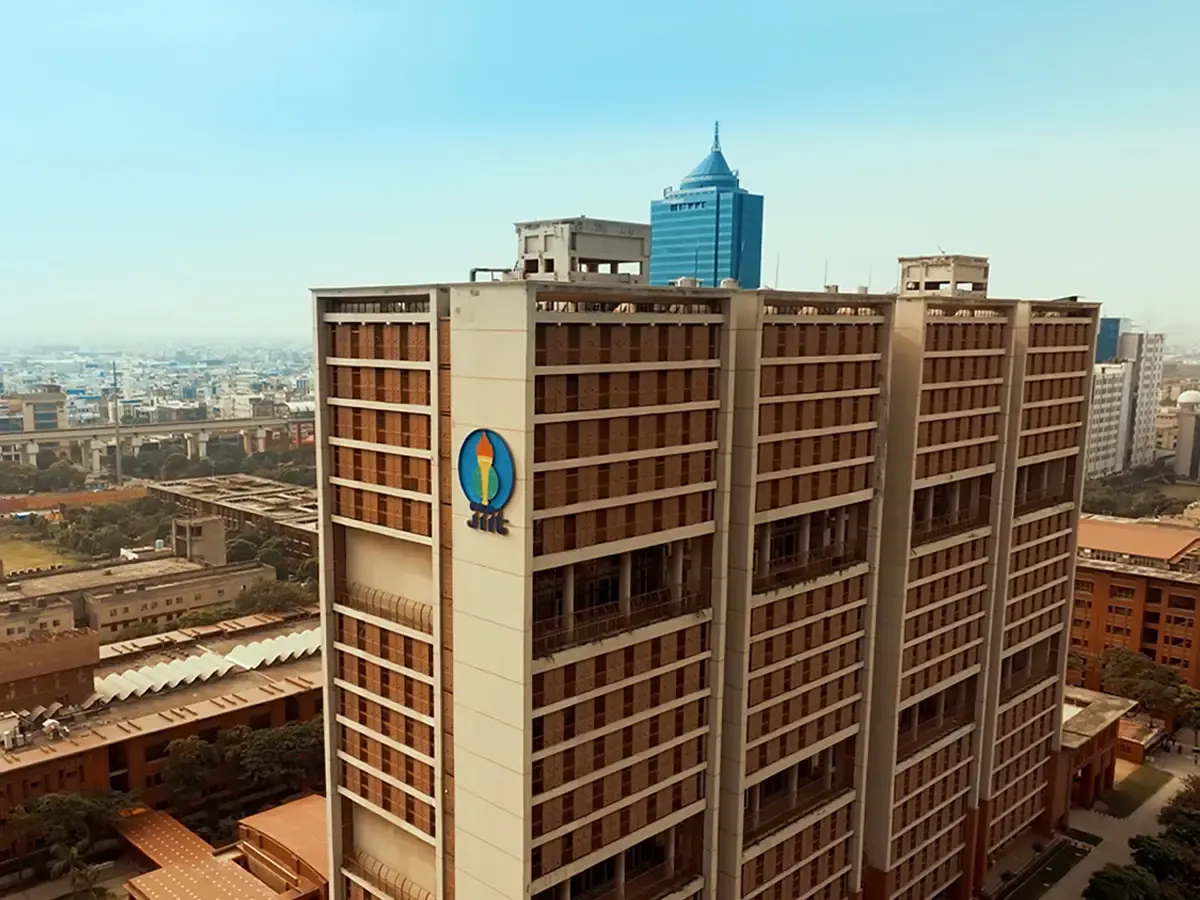
These financial requirements fund a campus environment where technical training is supported by reliable infrastructure. Academic blocks and faculty housing sit within reach of the primary laboratories, making the transition from lectures to practical research more efficient. Every part of the facility, from specialised lab stations to the general campus utilities, is organised to handle the daily demands of a rigorous biotechnology curriculum.
Conclusion
Joining the B.Tech. in Biotechnology programme at JIIT involves a selection process geared toward technical readiness. Because the course is an evolving engineering discipline, it requires an understanding of biology and technology. Whether entry is sought through the school merit list or a JEE rank, the focus is on building a career with real societal value.
Admission for the 2026 academic batch at JIIT is currently open, and all necessary forms and specific deadline updates are published on the Admission Portal.
Apply now: https://getadmissions.com/jaypee